Amaran Halo Series Review: Professional Lighting Without the Professional Price Tag

Over the past few years, Amaran has built a strong reputation among content creators and filmmakers by delivering professional lighting tools at prices that remain accessible. With the launch of the Halo Series, the company appears to be pushing that philosophy even further, offering a range of lights that focus on the essentials: solid output, straightforward controls, practical design, and aggressive pricing.
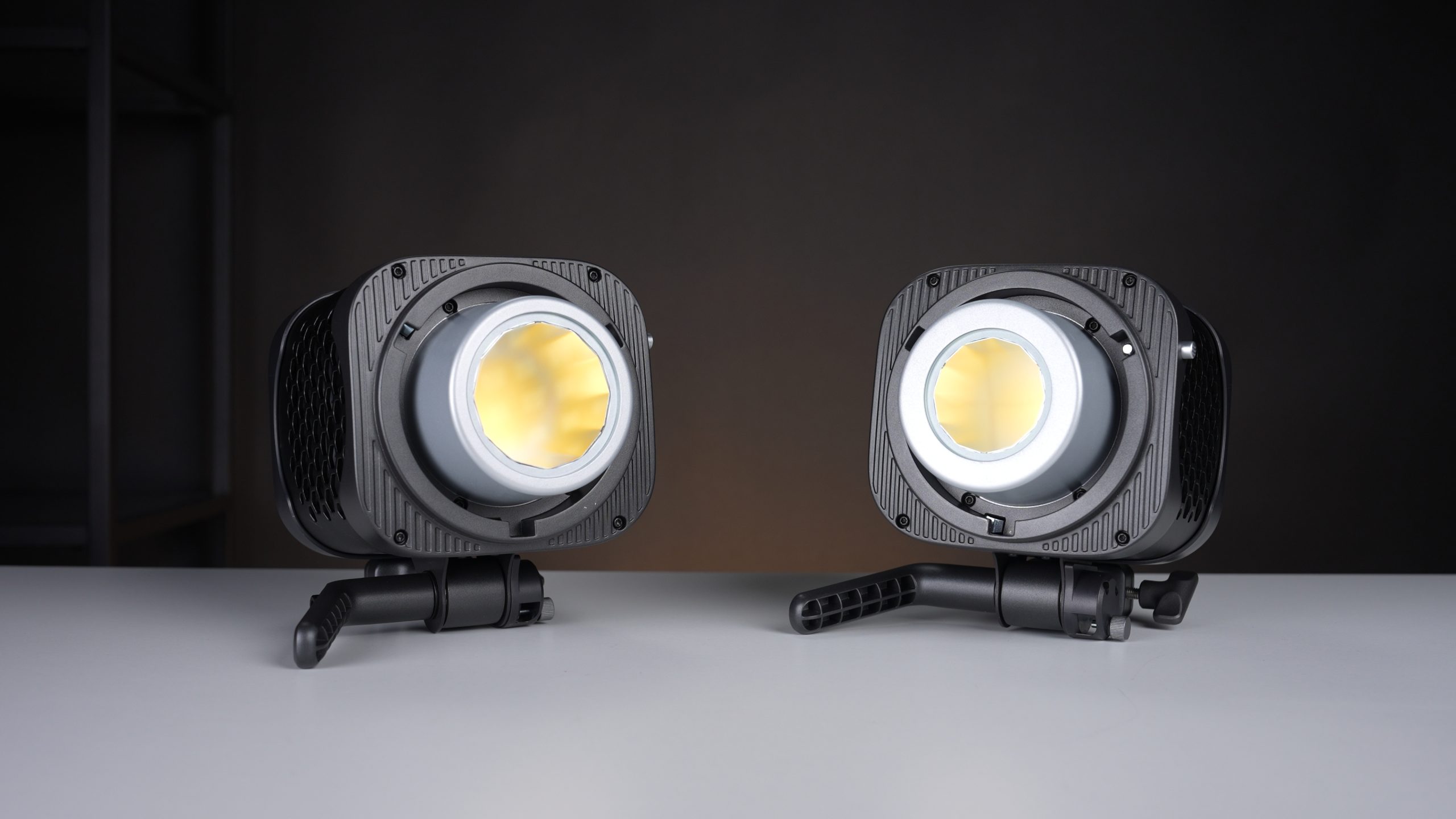
For this review, I tested the Halo 200x and Halo 300x, which I believe will be the most attractive options for YouTubers, small studios, independent filmmakers, and content creators looking to build a capable lighting setup without overspending.
The Halo Series succeeds because it focuses on what actually matters — and the value is difficult to ignore.
What Is the Amaran Halo Series?
The Halo lineup consists of five models:
- Halo 60x
- Halo 100x
- Halo 200x
- Halo 300x
- Halo 600x
All five lights are bi-color fixtures, offering a color temperature range from 2700K to 6500K. Unlike the RGB-focused Ray Series, the Halo range is designed around simplicity and practicality, making it an excellent choice for creators who primarily need high-quality white light. The Halo Series is also positioned as the most affordable professional lighting lineup Amaran has ever introduced, but importantly, that affordability does not feel like a compromise in day-to-day use.
Pricing That Changes the Conversation
One of the strongest aspects of the Halo Series is its pricing. To put those numbers into perspective, you could build a complete three-light studio setup using a Halo 300x as your key light, a Halo 200x as your fill light, and a Halo 60x as a hair light for less than $700. Even upgrading to the more powerful Halo 600x while keeping the rest of the setup balanced keeps the total investment under $1,000. For many creators, that makes professional studio lighting significantly more accessible than it was just a few years ago.
Compact, Practical Design
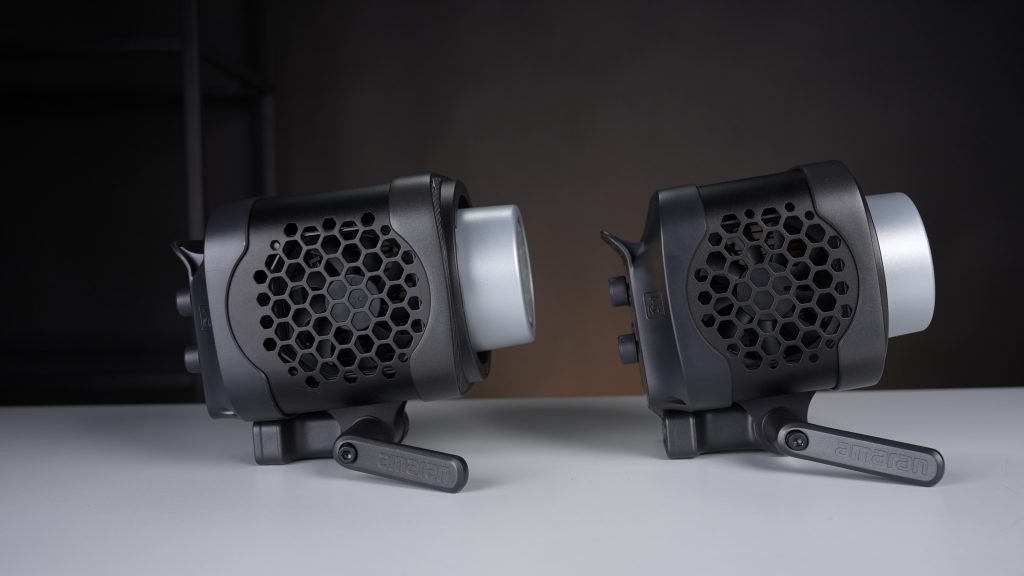
The first thing that stands out when handling the Halo 200x or 300x is how compact they are. The body is primarily metal, complemented by plastic end caps that help keep the overall weight under control. The fixtures feel sturdy without becoming cumbersome, which is exactly what you want for both studio and location work.
One of my favorite design elements is the mounting yoke. Unlike many traditional designs, the Halo’s metal yoke doubles as a carrying handle, making transportation and positioning noticeably easier. Amaran has also included practical touches such as a built-in umbrella holder and thoughtful grip points that make adjustments easier, even when the light is mounted in a tight setup. These details may seem minor, but they make a real difference during long shooting days.
A Softer Light Than You Might Expect
The Halo Series introduces a different lighting character compared to Amaran’s Ray lineup. One of the key technical differences is the wider beam angle. Because the light source itself is larger, the output spreads more broadly and fills modifiers more effectively. The practical result is softer, more flattering illumination, especially at shorter working distances.
For interviews, talking-head content, and studio production, this is a significant advantage. Skin tones appear smoother, shadows transition more naturally, and achieving a polished look requires less effort.

Controls Designed for Speed
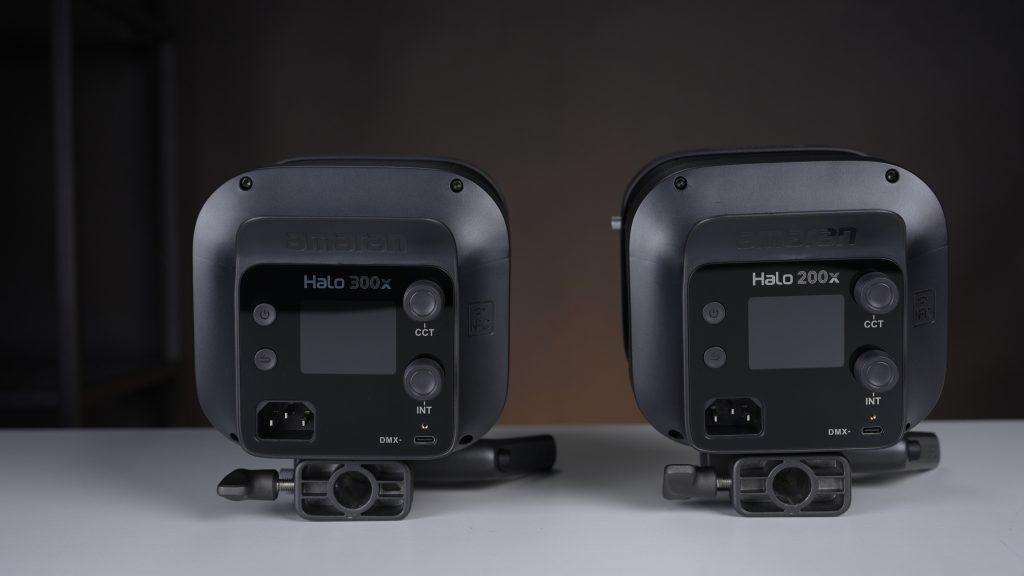
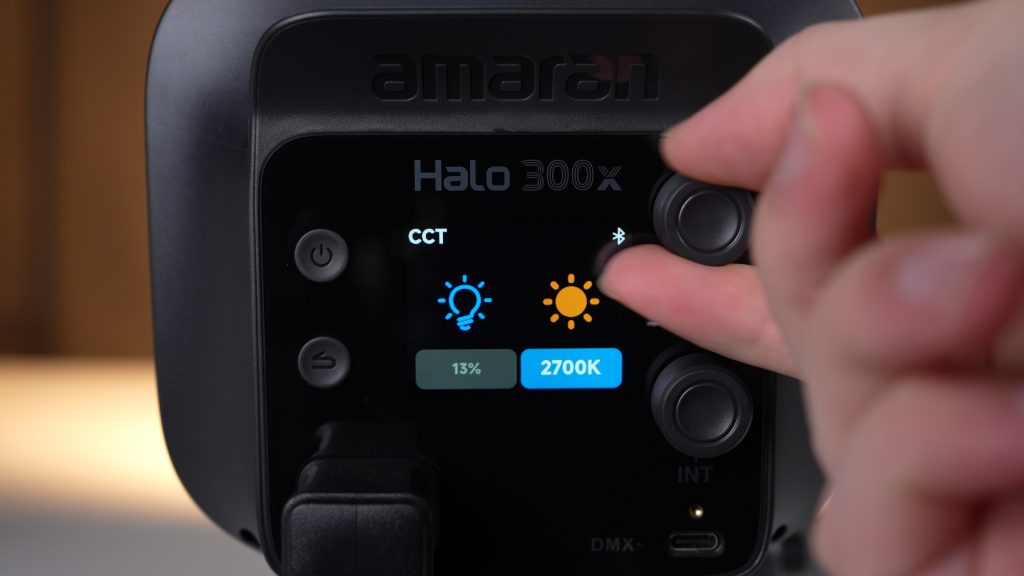
Amaran has kept the user interface refreshingly simple. The fixtures feature a straightforward control layout built around two dials and two buttons. The dials support variable-speed adjustments, allowing precise changes when turned slowly and larger jumps when spun quickly. This may sound like a small feature, but it makes operation considerably faster in practice.
The menu system provides access to:
- Lighting effects
- Bluetooth connectivity
- Studio Mode
- Fan settings
- DMX functionality through an optional adapter
Studio Mode is particularly useful in permanent setups. When enabled, the light automatically powers on when electricity is supplied, eliminating the need to manually switch each fixture on after powering up the studio. For creators using smart power systems or voice assistants, this becomes surprisingly convenient.
Exceptionally Quiet Cooling
Cooling noise is often overlooked until it becomes a problem. The Halo Series offers multiple fan modes, including a fully silent mode that disables active cooling. In silent mode, output is limited to 15% of maximum power, and I appreciate that Amaran communicates this clearly rather than masking the reduction behind misleading brightness percentages.
In real-world use, however, I found little reason to activate Silent Mode. The Smart fan mode is remarkably quiet, even with microphones positioned relatively close to the fixture. During my testing, fan noise was effectively a non-issue.
A Mature Ecosystem and App Experience
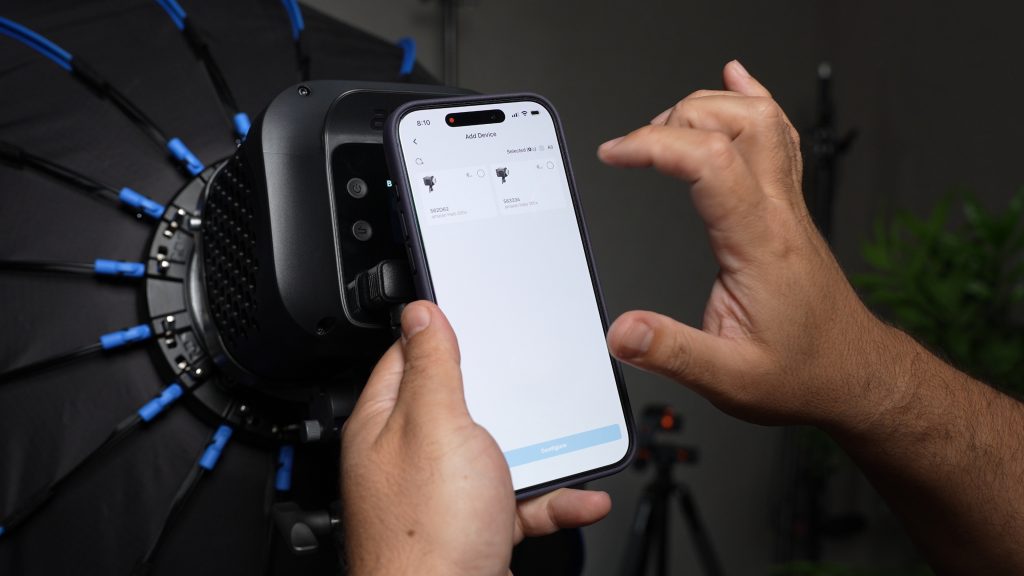
One advantage of investing in the Amaran ecosystem is the quality of the companion app. The Amaran application allows centralized control of multiple fixtures, making it easy to adjust an entire lighting setup from a single device. Pairing is also extremely simple thanks to NFC support, requiring little more than a tap to connect. For creators managing multiple lights in a studio environment, this can save a surprising amount of time.
Pairing the Halo with the Amaran Fresnel
I also spent time using the Amaran Fresnel modifier alongside the Halo 300x. For those unfamiliar with Fresnel lenses, they concentrate and focus the light output, dramatically increasing intensity while providing greater control over beam spread. In practical use, the Halo 300x feels like an entirely different fixture when paired with the Fresnel, making it particularly useful for location work or situations where the light needs to be positioned farther from the subject. It is an accessory I would strongly recommend for anyone looking to maximize the flexibility of the system.
Final Verdict
The Amaran Halo Series succeeds because it focuses on what actually matters. It delivers excellent bi-color lighting quality, practical design, simple operation, quiet cooling, and strong ecosystem integration at prices that are difficult to ignore.
If you’re building your first YouTube studio, upgrading an existing setup, or assembling a lightweight production kit for location work, the Halo Series deserves serious consideration. For my own use, the Halo 300x stands out as the sweet spot of the lineup, while the Halo 200x makes an excellent companion light for fill, background, or secondary key-light duties.
Pros and Cons
Pros
- Outstanding value for money
- Soft, flattering light quality
- Compact and practical design
- Extremely quiet cooling system
- Excellent mobile app integration
- Full Bowens mount compatibility
Cons
- No RGB functionality
- Silent Mode limits output to 15%
- DMX adapter sold separately
Rating: 9/10 — Highly recommended. The Halo Series offers one of the best combinations of price, performance, usability, and ecosystem support currently available in the bi-color LED lighting market.
Where to buy
TECHMISSION Recommends
Where to Buy the Amaran Halo Series
Some links are affiliate links — TECHMISSION may earn a commission at no extra cost to you. See our affiliate disclosure.
Some links in this article are affiliate links. If you buy through them, TECHMISSION may earn a small commission at no extra cost to you — which helps us keep producing this content. Editorial opinions are independent of any commercial relationship.
بعض الروابط في هذه المقالة هي روابط شراكة. عند الشراء عبرها، قد يحصل TECHMISSION على عمولة بسيطة دون أي تكلفة إضافية عليك — وهذا يساعدنا على الاستمرار في إنتاج هذا المحتوى. آراؤنا التحريرية مستقلة عن أي علاقة تجارية.