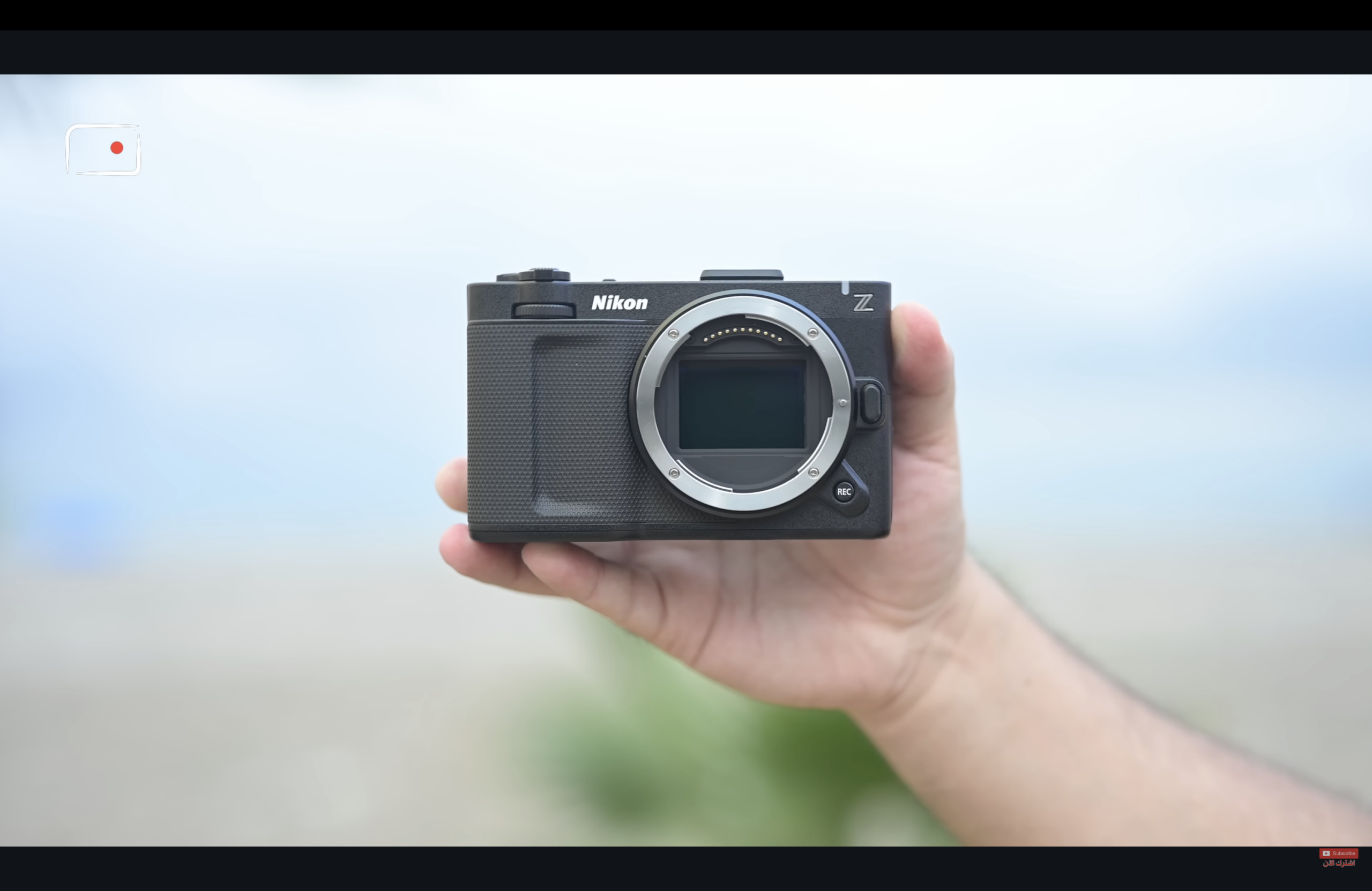
Nikon ZR Review: Nikon’s Most Important Video Camera Yet

Tested in documentary production, studio environments, and under the harsh Dubai sun.
For years, Nikon has been known primarily as a camera company built around photography. Its DSLR cameras remain beloved by countless photographers, while the Z series has firmly established Nikon’s presence in the mirrorless market.
The Nikon ZR, however, represents something entirely different.
This is not simply another hybrid camera with stronger video specifications. It is Nikon’s first serious statement after acquiring RED, and the first camera that genuinely combines Nikon’s imaging technology, autofocus system, and Z Mount ecosystem with RED’s cinema workflow philosophy.
After extensive testing in the TECHMISSION studio and using two Nikon ZR cameras throughout the production of my documentary The Shipmaker, I believe the Nikon ZR is one of the most significant cameras Nikon has released in years.
“The Nikon ZR is not important because it shoots RAW. It is important because it signals Nikon’s long-term commitment to cinema.”
Nikon Is No Longer Testing the Waters
Although many consider the Nikon ZR the first camera in Nikon’s Z Cinema lineup, Nikon itself sees things differently. The Z Cinema ecosystem officially launched with:
- RED V-RAPTOR [X] Z Mount
- RED KOMODO-X Z Mount
The Nikon ZR is therefore not the beginning of Z Cinema, but rather the first Nikon-designed camera born from this new partnership. The camera combines Nikon autofocus, Nikon sensor technology, Nikon’s Z Mount ecosystem, RED’s cinema workflow philosophy, and RED’s R3D NE codec.
For years, filmmakers choosing Nikon often had to justify their decision against competitors with more mature cinema ecosystems. The Nikon ZR changes that conversation. This is a camera built for filmmakers first, while still remaining attractive to content creators, event shooters, and production companies looking for a compact cinema platform.
R3D RAW: A Major Leap for Compact Cinema Cameras
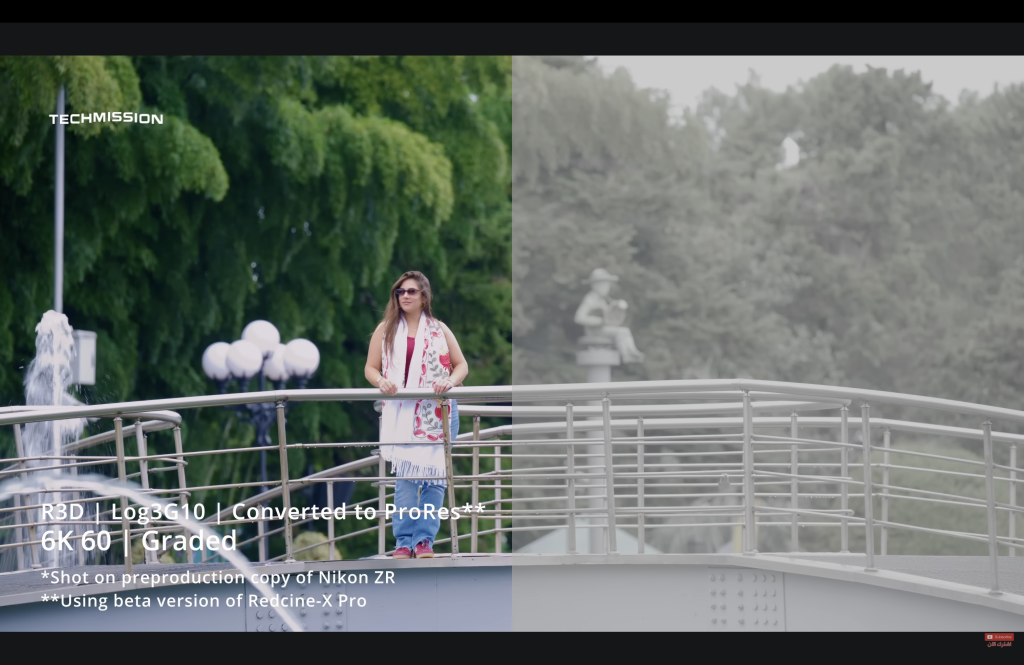
More than any specification, the defining feature of the Nikon ZR is its implementation of R3D NE RAW. The inclusion of RED’s compressed RAW workflow inside a compact Nikon body is a major development for filmmakers.
It is important to clarify that R3D NE is not identical to traditional REDCODE RAW used in RED cinema cameras. Based on current understanding, Nikon’s implementation records and processes 12-bit RAW rather than using the higher internal precision historically associated with RED cinema systems.
In practical production work, however, this distinction matters less than many online discussions suggest. The files grade beautifully, hold highlights exceptionally well, respond naturally to colour correction, and preserve much of RED’s cinematic character. The result is a codec that delivers genuine cinema flexibility while remaining surprisingly manageable in post-production. For many filmmakers, this alone may justify choosing the Nikon ZR.
The Shipmaker: Real Documentary Testing
Laboratory tests are useful. Real productions are more revealing.
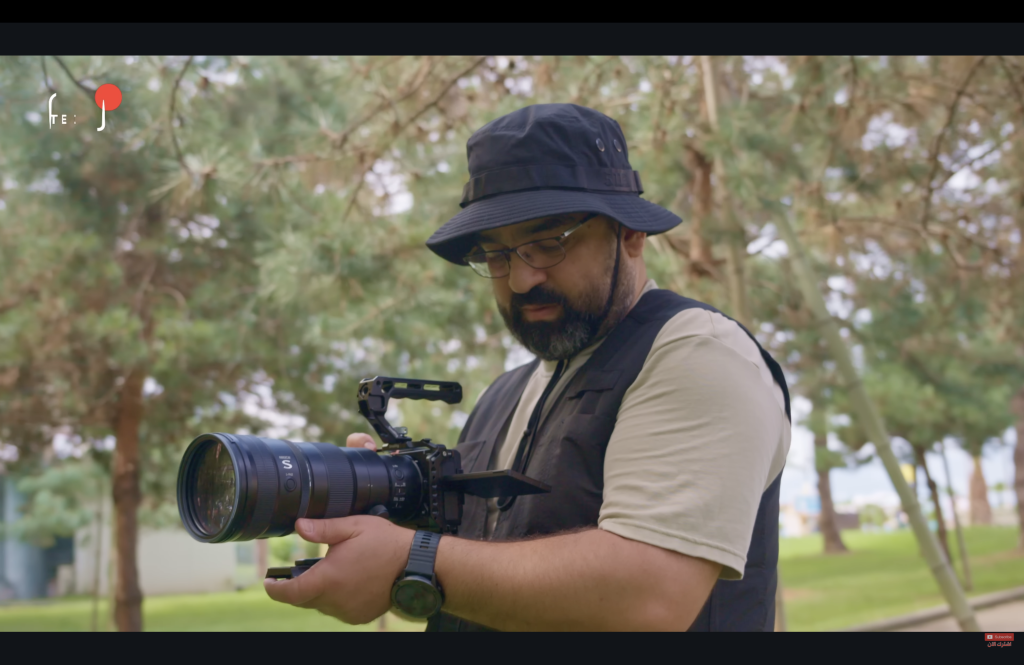
I used two Nikon ZR cameras extensively during the production of The Shipmaker, a documentary project that demanded reliability, flexibility, and fast operation under constantly changing conditions. Documentary filmmaking is rarely forgiving — you work with changing light, you move quickly, you often get only one chance to capture a moment.
The Nikon ZR handled these challenges exceptionally well. Its combination of autofocus performance and R3D workflow created a practical shooting experience that never felt technically restrictive.
Watch the Making Of: The Shipmaker — Behind-the-Scenes Film
Nikon was bold in its Understanding of Cinema Ergonomics
One of the most impressive aspects of the Nikon ZR is that Nikon resisted the temptation to simply adapt an existing camera body. The camera feels purpose-built for video production. Highlights include:
- Large 4-inch display
- Cinema-oriented interface design
- Touchscreen-focused workflow
- Dedicated video controls
- Fast startup and shutdown
- Native shutter angle support
The inclusion of shutter angle may seem minor, but it reflects a fundamental shift in thinking. The Nikon ZR was designed with filmmakers in mind from the start.
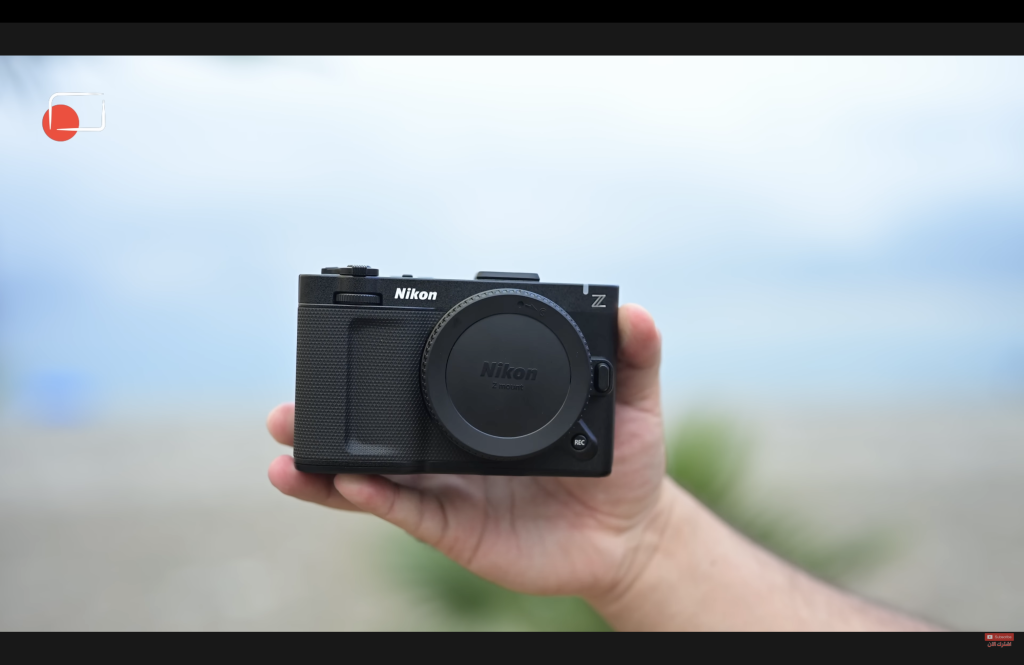
Small Body, Serious Capability
The Nikon ZR is remarkably compact considering what it offers internally. For gimbal work, travel productions, and documentary filmmaking, the size is a significant advantage. Some operators working with large cinema lenses may prefer a larger grip, but in my experience the camera feels well-balanced when paired with appropriate lenses.
Most importantly, the camera never feels compromised. Its compact dimensions appear to be a deliberate design choice rather than a limitation.
Does the Nikon ZR Overheat?
One of the biggest concerns surrounding compact cinema cameras is thermal management. Unlike many competitors, Nikon chose not to include an active cooling fan. Instead, the Nikon ZR relies on a passive heat dissipation system.
Based on my testing, that decision appears to have been the right one. I subjected the camera to extended recording sessions inside the TECHMISSION studio, long documentary shooting days, and outdoor testing under direct Dubai sunlight. Throughout my documentary work, I never experienced a thermal shutdown. The only time I saw a temperature warning icon was during a prolonged test under direct sunlight in Dubai. Even then, the camera continued recording without interruption.
For filmmakers concerned about reliability, thermal performance should not be a major concern. The Nikon ZR proved itself to be remarkably dependable.
The H.265 Debate Is More Complex Than It Appears
One of the most discussed aspects of the Nikon ZR is its implementation of H.265 recording. Some criticism focused on Nikon’s decision to use 4:2:0 recording rather than 4:2:2. However, the more significant discussion concerns noise reduction.
Filmmaker and reviewer Philip Bloom highlighted aggressive denoising in the camera’s non-RAW formats, particularly when compared with the Nikon Z6III. My own testing confirms his observations. Firmware version 1.01 improved the behaviour noticeably, but the issue has not disappeared entirely. The same behaviour can be observed in both H.265 and ProRes HQ.
That said, the H.265 files remain highly usable in practical production work. They are efficient, lightweight, and capable of delivering excellent image quality. I consider this discussion unfinished and will reserve final judgment until Nikon releases future firmware updates.
Related viewing: Philip Bloom’s Nikon ZR analysis on YouTube.
Nikon’s Lens Ecosystem Is Now a Strength
A few years ago, lens availability was one of the biggest concerns surrounding Nikon’s mirrorless transition. Today, that concern no longer exists. The Z Mount ecosystem now includes:
- Premium Nikon S lenses
- Nikon cinema-oriented developments
- Tamron Z Mount lenses
- Viltrox Z Mount lenses
- Numerous professional and budget-friendly options
A cinema system is not only about the camera body. It is about the ecosystem. And Nikon now offers one of the strongest ecosystems available to filmmakers.
Related reviews: Tamron Z Mount Lens Review · Viltrox Z Mount Lens Review
Who Should Buy the Nikon ZR?
- Documentary filmmakers
- Independent filmmakers
- Corporate production companies
- Event and wedding filmmakers
- Content creators seeking RAW workflows
- Existing Nikon Z users moving into cinema production
Final Verdict
What I Like
- R3D NE RAW workflow
- Excellent autofocus
- Compact cinema-oriented body
- Strong thermal performance
- Mature lens ecosystem
- Practical documentary camera
What Still Needs Work
- Non-RAW noise reduction behaviour
- Ongoing H.265 vs ProRes discussion
- Firmware refinement still needed
The Bottom Line
The Nikon ZR is not merely another mirrorless camera with stronger video specifications. It is Nikon’s clearest indication yet that the company intends to compete seriously in the cinema market. After extensive testing, studio work, and real-world documentary production, I believe Nikon is on the right path.
Not only for content creators. Not only for hybrid shooters. But for serious filmmakers as well. That is what makes the Nikon ZR such an important camera.
Video
Watch the video review on YouTube
Tap through to the TECHMISSION YouTube channel to watch the full video review.
Some links in this article are affiliate links. If you buy through them, TECHMISSION may earn a small commission at no extra cost to you — which helps us keep producing this content. Editorial opinions are independent of any commercial relationship.
بعض الروابط في هذه المقالة هي روابط شراكة. عند الشراء عبرها، قد يحصل TECHMISSION على عمولة بسيطة دون أي تكلفة إضافية عليك — وهذا يساعدنا على الاستمرار في إنتاج هذا المحتوى. آراؤنا التحريرية مستقلة عن أي علاقة تجارية.