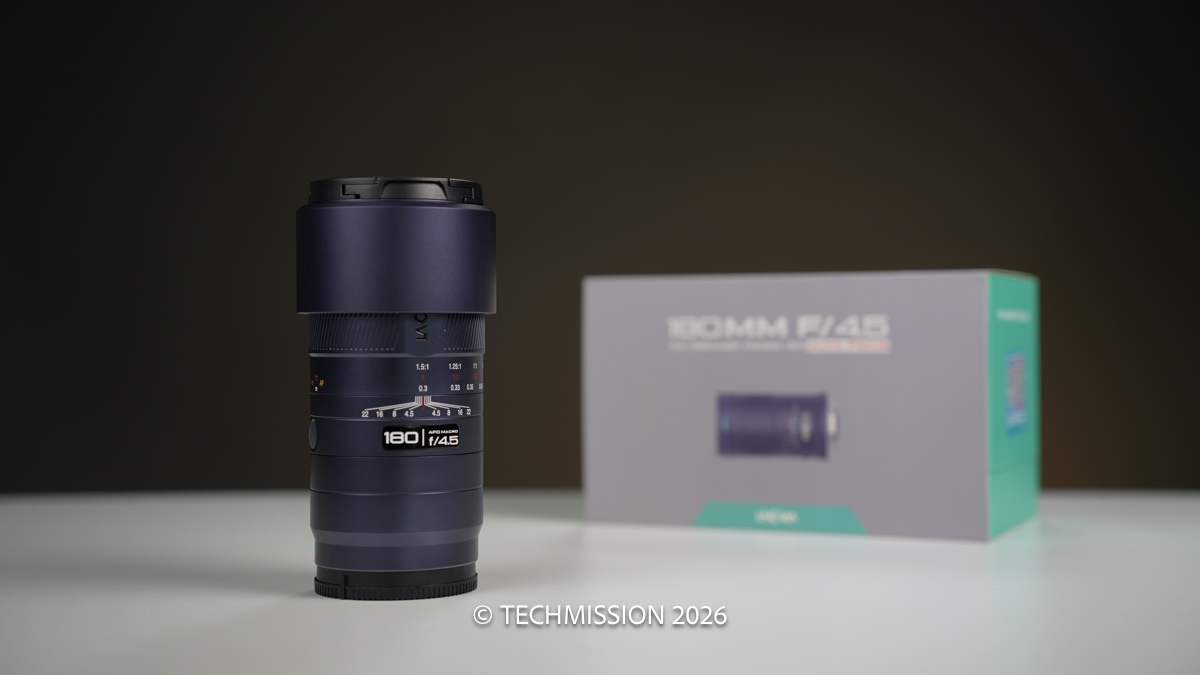
Laowa 180mm f/4.5 1.5X Ultra Macro APO Review: A Telephoto Macro with Character
The Laowa 180mm f/4.5 1.5X Ultra Macro APO combines greater-than-life-size magnification, generous working distance and telephoto compression in a compact lens with a personality all its own.
Macro lenses tend to follow a familiar formula. Most sit between 90mm and 105mm, while a smaller group—particularly older designs—uses focal lengths around 50mm or 60mm.
The Laowa 180mm f/4.5 1.5X Ultra Macro APO is different. It is a true telephoto lens, a macro lens capable of 1.5:1 reproduction and, in selected mounts, an autofocus lens for conventional distant subjects. That combination gives it a role that extends from insects and natural details to portraits and compressed landscapes.
After carrying the Sony E-mount version through Armenia and using it for both close-up and general photography, we found a lens that is easy to like. It does not chase spectacular laboratory numbers in every category. Instead, it delivers useful reach, beautiful background separation, attractive colour and a tactile manual-focusing experience at a remarkably competitive price.
A macro lens built around distance
The 180mm focal length changes the way a photographer approaches a macro subject. Laowa quotes a minimum focusing distance of 300mm, measured from the camera sensor, and a minimum working distance of 147.6mm between the front of the lens and the subject. That extra space is valuable when photographing insects or other easily disturbed creatures. It also leaves more room for positioning a flash, diffuser or reflector.
Maximum magnification is 1.5X, or 1.5:1. A subject is therefore projected onto the sensor at one and a half times its real size, going noticeably beyond the 1:1 reproduction offered by many conventional macro lenses. The difference is particularly useful for small natural details and more abstract macro work. It matters less for ordinary product photography, where the long focal length can also demand more studio space.
This is fundamentally a field macro lens. Its reach allows the photographer to remain at a more comfortable distance, while the narrow angle of view makes it easier to exclude distracting surroundings. The trade-off is that every movement becomes more visible, especially at high magnification.
Slim, solid and unusually elegant
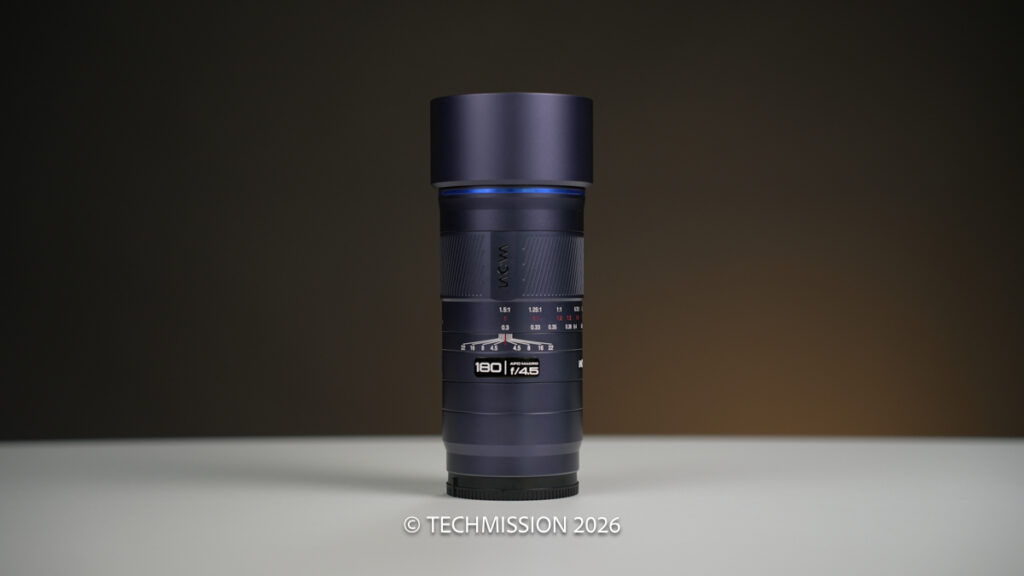
The lens has a long cylindrical profile with very little variation in diameter. At 67.6mm wide and 134.4mm long in Sony E mount, it looks slimmer than its 180mm focal length suggests. The tested Sony version weighs approximately 522g, so it feels substantial without becoming a burden in the field.
Its metal construction and dark blue-black finish give it a distinctive identity. The large focus ring turns smoothly and carries engraved distance and magnification markings. More importantly, close-range manual focusing feels mechanically direct rather than like the focus-by-wire systems found in many modern lenses. Small movements of the ring produce predictable physical changes in focus, exactly what a macro photographer needs.
Autofocus versions include electronic contacts, a customisable function button and a USB-C port for firmware updates. Aperture is controlled electronically from the camera. The manual-focus Canon RF and L-mount versions instead provide manual aperture control. A 62mm filter thread keeps filters reasonably compact, and the internal-focusing design means the barrel does not extend as focus changes.
There is a gasket around the mount, but Laowa does not make a comprehensive weather-sealing claim. It is best treated as limited protection rather than permission to expose the lens freely to rain or dust.
An unusual approach to autofocus
The original focusing system divides the lens into two distinct working ranges. From the minimum focusing distance to 1.5m, the sample we tested operated with fully manual mechanical focus. Turning the ring to the AF position enabled autofocus from 1.5m to infinity.
This is an intelligent compromise. Precise macro focusing is often easier manually, sometimes by moving the camera itself, while autofocus is far more useful for portraits and distant subjects. On our sample, autofocus was accurate and dependable. It was not among the fastest systems we have tested, particularly when asked to jump between very different distances, but it became more responsive when adjustments remained within a similar range.
For portraits, travel details and other non-macro subjects, its performance was more than sufficient. Focus breathing was also minimal, which is good news for video and focus transitions, even if a 180mm macro is unlikely to become most creators’ everyday video lens.
Firmware note: Laowa has updated the lens since our recorded test. The company’s current product information says recent firmware adds autofocus support for macro photography and focus bracketing on compatible autofocus versions. Owners should install the firmware for their mount and confirm camera-specific behaviour before relying on those features.
Autofocus versions are available for Sony E, Nikon Z and Canon EF. Canon RF users who require autofocus can use the Canon EF version with an EF-to-RF adapter. Native Canon RF and L-mount versions are manual focus.
No optical stabilisation
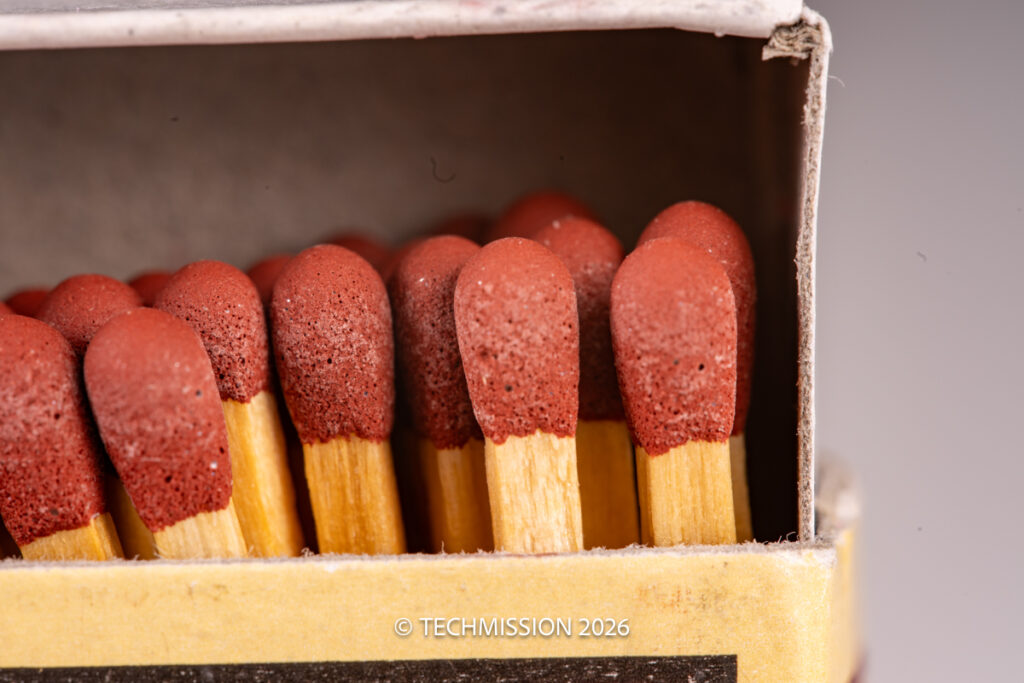
The most significant omission is optical image stabilisation. Many current Sony and Nikon bodies provide in-body stabilisation, and we encountered no serious handling problem while using the lens on stabilised Sony cameras. Even so, stabilisation inside the lens would have been particularly helpful at 180mm, where small movements are magnified before macro reproduction is taken into account.
For critical close-ups, a tripod, monopod, flash or faster shutter speed remains advisable. Photographers using a body without in-camera stabilisation should consider this limitation carefully.
Image quality: consistent rather than clinical
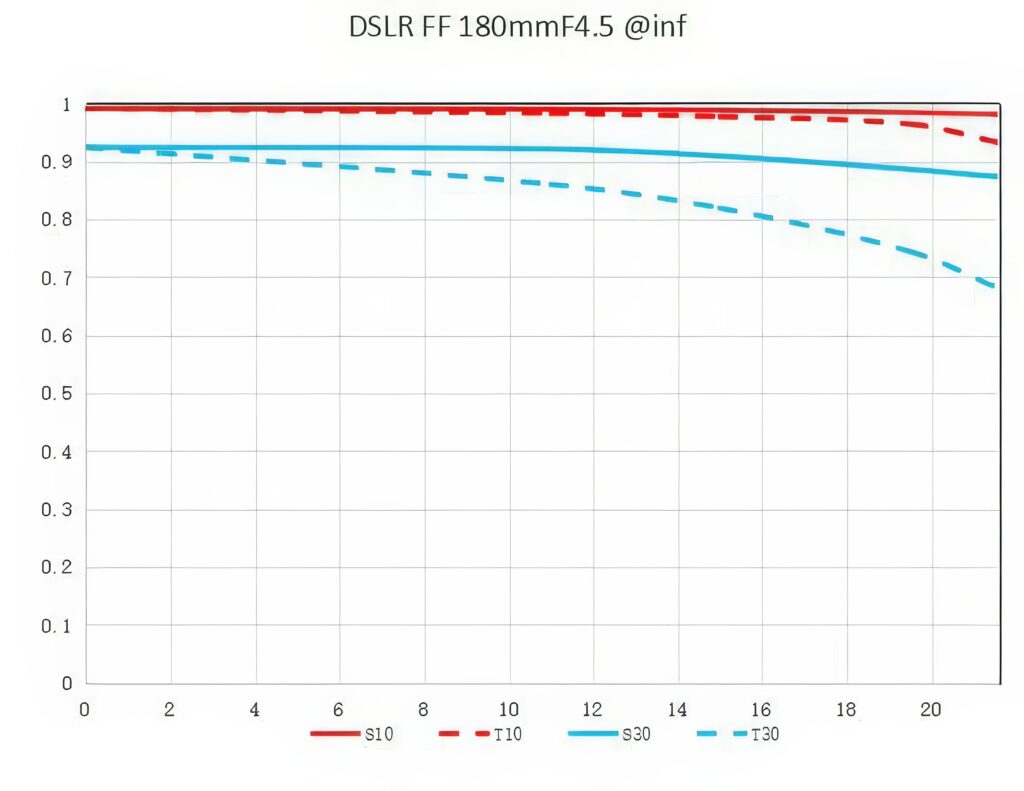
The optical design uses 12 elements in nine groups, including two extra-low-dispersion elements and one ultra-high-refraction element. In practice, the lens delivers consistent performance across most of the frame, with only a modest reduction in sharpness and contrast near the extreme edges.
Sharpness is good from the maximum aperture of f/4.5, particularly in the centre. It is not the most clinically sharp macro lens we have ever tested, and we would have welcomed a little more contrast wide open, but the level of detail is entirely appropriate for its purpose. At f/5.6, centre and edge performance become more even.
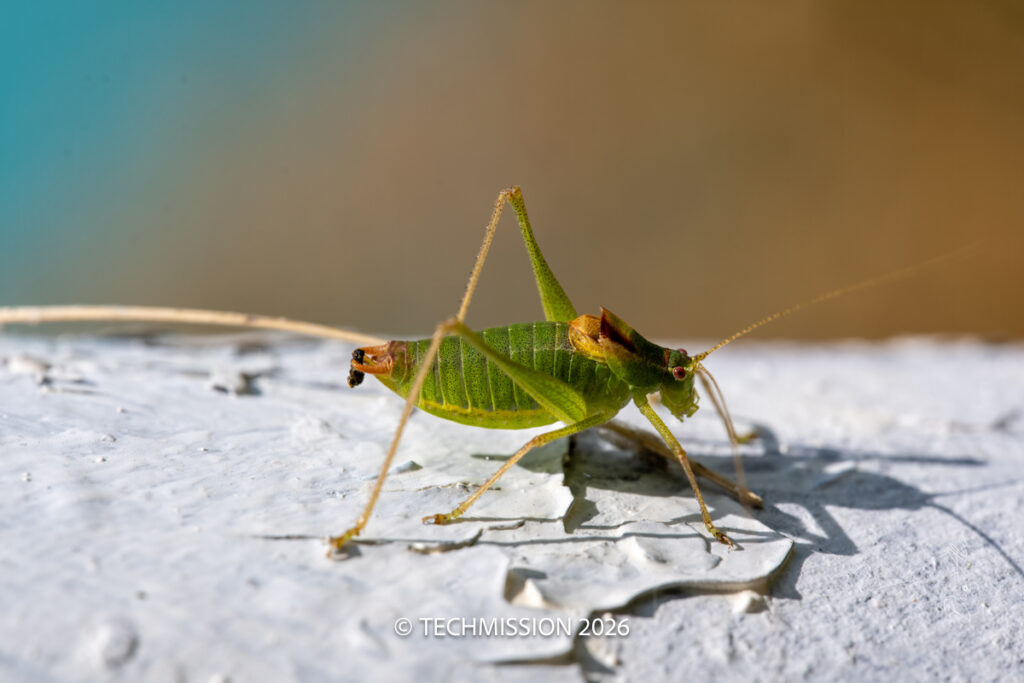
Real photographs matter more than charts here. Fine natural textures are rendered clearly, subjects separate elegantly from their surroundings and the images have a coherent look. Designing a compact 180mm telephoto that also focuses to 1.5X is a difficult optical challenge; viewed in that context, Laowa’s balance of size, reach and detail is impressive.
APO colour correction works
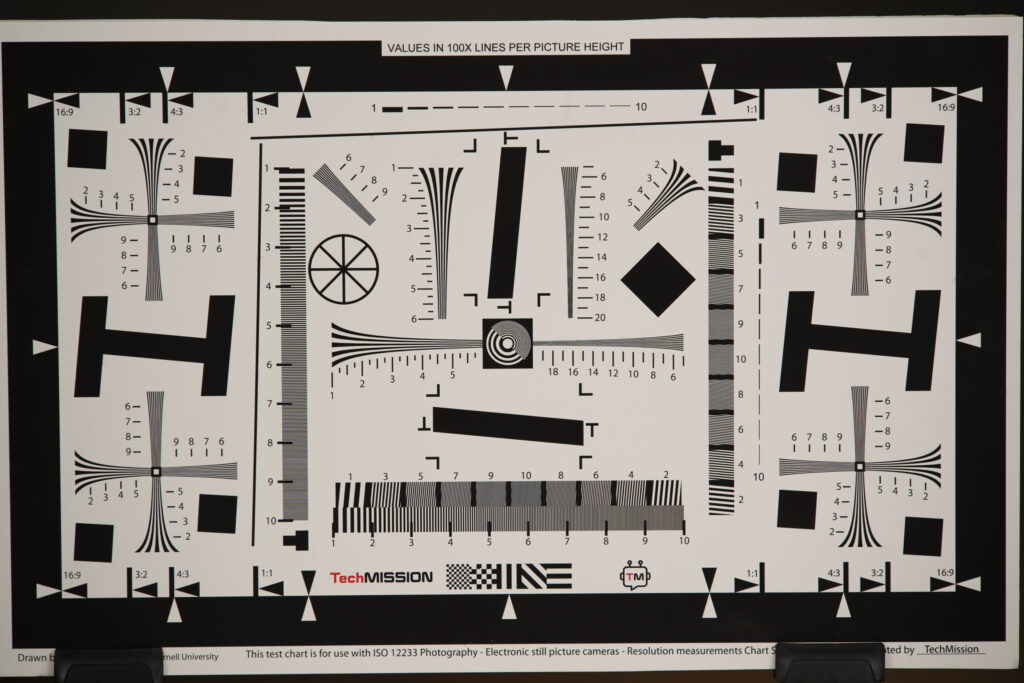
The APO label refers to the lens’s apochromatic design, intended to bring different wavelengths of light into closer alignment and suppress colour fringing. Longitudinal chromatic aberration is extremely well controlled. A small amount of lateral aberration can appear in demanding chart tests, but it was not a meaningful problem in normal photography.
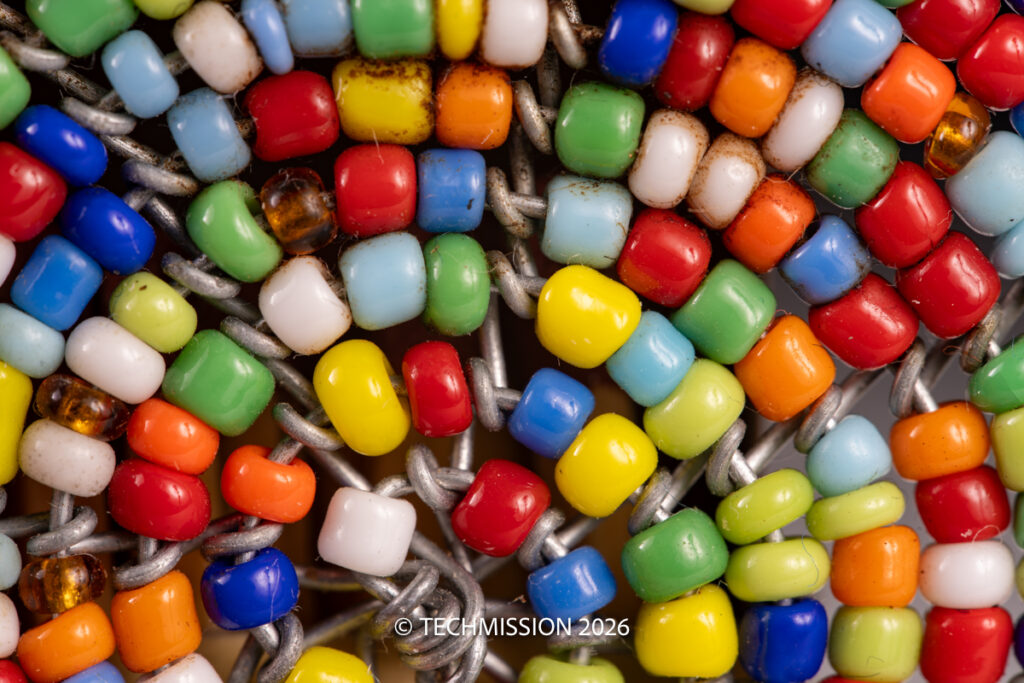
The more enjoyable consequence is the colour rendering. Images from the lens have attractive, natural colour before extensive editing, helping flowers, insects and landscape details look vivid without appearing artificial. This is one of the strongest aspects of the lens’s character.

Beautiful bokeh from a modest aperture
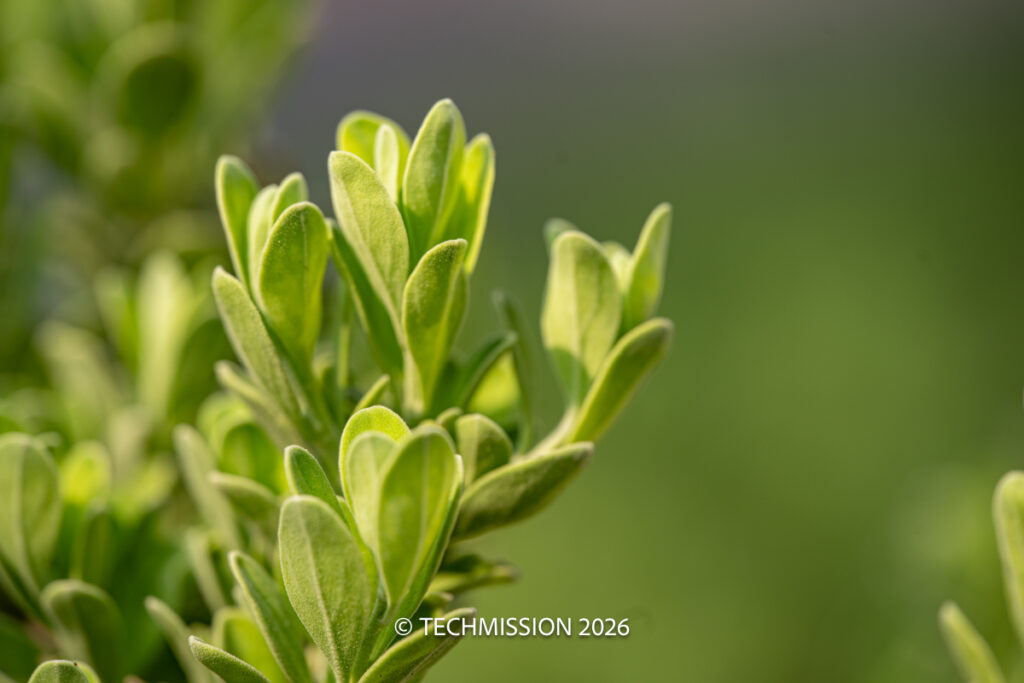
An f/4.5 maximum aperture may appear conservative beside an f/2.8 macro lens, but focal length matters as much as aperture. At 180mm, the Laowa produces strong subject isolation and smooth background blur. The telephoto perspective compresses the scene, allowing colours and shapes in the background to form a soft layer behind the subject.
This also makes the lens surprisingly appealing for portraiture. It requires more working distance than a conventional short telephoto, and f/4.5 is not ideal in poor light, but flattering compression and calm backgrounds give portraits a refined look. The available autofocus is easily fast enough for a cooperative subject.
Distortion and vignetting are well controlled
Geometric distortion is effectively absent. We found no meaningful barrel or pincushion distortion to correct, which is useful for natural textures and occasional product work.
Vignetting is similarly restrained despite the narrow barrel and full-frame coverage. There is a light reduction in brightness towards the corners at wide apertures, but it is too small to become a practical concern in most photographs.
Flare is the clear optical weakness
Flare resistance is below average. Strong light entering the front element can produce visible artefacts and a substantial loss of contrast. The narrow 180mm field of view makes troublesome light sources relatively easy to keep outside the frame, but photographers should still use the hood and shade the lens when necessary.
This weakness does not undermine the lens’s normal macro performance, but it is worth remembering when shooting backlit subjects or portraits directly towards the sun.
Who is the Laowa 180mm f/4.5 for?
This is not the obvious choice for tabletop photographers working in a small room. A 90mm or 100mm lens is easier to position around larger products, and photographers who depend on rapid continuous autofocus may prefer a more conventional first-party macro.
The Laowa is at its best outdoors. Insect, flower and nature photographers gain 1.5X magnification, useful clearance from the subject and a background perspective that shorter macro lenses cannot reproduce. Portrait capability makes it more versatile than a specialist close-focus optic, while its low focus breathing also opens the door to detail shots and interviews on video.
At an official price of $499 at the time of writing, it is excellent value for such an unusual full-frame design. The price becomes even more persuasive when its metal construction, apochromatic correction and dual macro-telephoto personality are considered.
Verdict
The Laowa 180mm f/4.5 1.5X Ultra Macro APO succeeds because its unusual specifications produce real creative advantages. The 180mm reach gives photographers room to work and transforms distracting backgrounds into smooth fields of colour. The 1.5X magnification reveals more than a standard 1:1 macro, while the direct manual focus makes precise close-up work satisfying.
It is not flawless. Optical stabilisation would have made handheld work easier, flare resistance is disappointing and autofocus on our original test sample was accurate rather than fast. Sharpness and contrast are good, though not record-breaking.
What distinguishes the lens is character. Its colour, compression, bokeh, physical design and focusing experience come together in images with a recognisable identity. For nature photographers who want more reach than a conventional macro lens—and portrait potential when the tiny subjects have gone home—the Laowa is a compelling and unusually affordable tool.