SIRUI Astra 75mm T1.8 Review: Full-Frame Anamorphic Finally Gets Autofocus
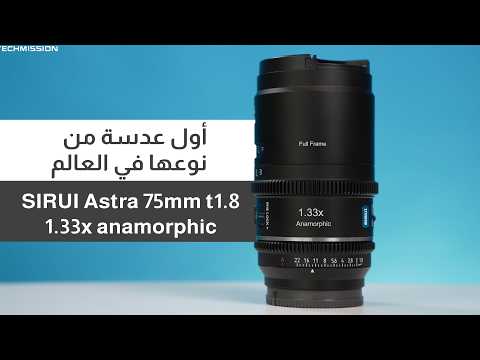
The SIRUI Astra 75mm T1.8 combines a full-frame image circle, 1.33x anamorphic squeeze and genuinely useful autofocus in a compact cine lens. It does not remove every challenge of anamorphic shooting, but it makes the format far more practical for solo filmmakers and small production teams.
The SIRUI Astra 75mm T1.8 is the kind of lens that could change who gets to shoot anamorphic.
Anamorphic lenses themselves are nothing new, and autofocus lenses have been with us for decades. What is new here is the combination: according to SIRUI, the Astra is part of the world’s first full-frame anamorphic cine-lens series with autofocus.
That distinction matters. SIRUI previously introduced autofocus anamorphic lenses for APS-C cameras, but the Astra series brings the same idea to full-frame systems. The lineup includes 50mm, 75mm and 100mm lenses, all with a constant 1.33x squeeze and a fast T1.8 maximum aperture.
After testing the 75mm on a Sony E-mount camera, my conclusion is straightforward: its autofocus is fast and accurate, its optical performance is impressively strong for an anamorphic lens, and it retains the flares, oval bokeh and focus character that make people choose anamorphic glass in the first place.
It is not the right lens for every production. But for filmmakers who want an anamorphic image without building a large manual-focus rig around the camera, it is one of the most interesting options available.
Why do filmmakers still use anamorphic lenses?
Anamorphic lenses were originally developed to capture a wider image on a limited area of film. The lens compressed the scene horizontally while recording it, and another lens in front of the cinema projector expanded—or “de-squeezed”—the image for the audience.
Digital cameras no longer require this process to create a widescreen frame. Yet anamorphic lenses remain popular because their value is no longer purely technical. Oval highlights, stretched backgrounds, horizontal flares and distinctive transitions between sharp and soft areas give them a visual identity that is difficult to reproduce convincingly in post-production.
What does a 1.33x squeeze give you?
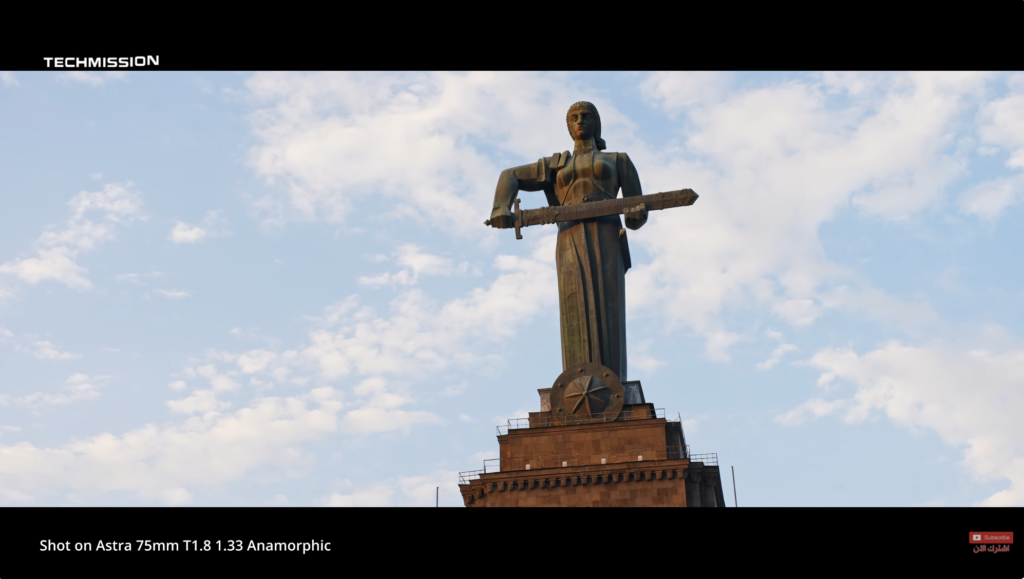
When footage recorded in a standard 16:9 frame is de-squeezed by 1.33x, the result is approximately a 2.37:1 image—close to the familiar 2.39:1 cinema format. This creates a naturally wide frame without simply cropping away pixels from the top and bottom.
A 1.33x squeeze is relatively restrained compared with 1.5x or 2x anamorphic lenses. The visual transformation is less extreme, but it is also easier to manage. The 75mm focal length makes the lens a natural choice for portraits, interviews, detail shots and medium close-ups.
A compact cine-lens design that still works handheld
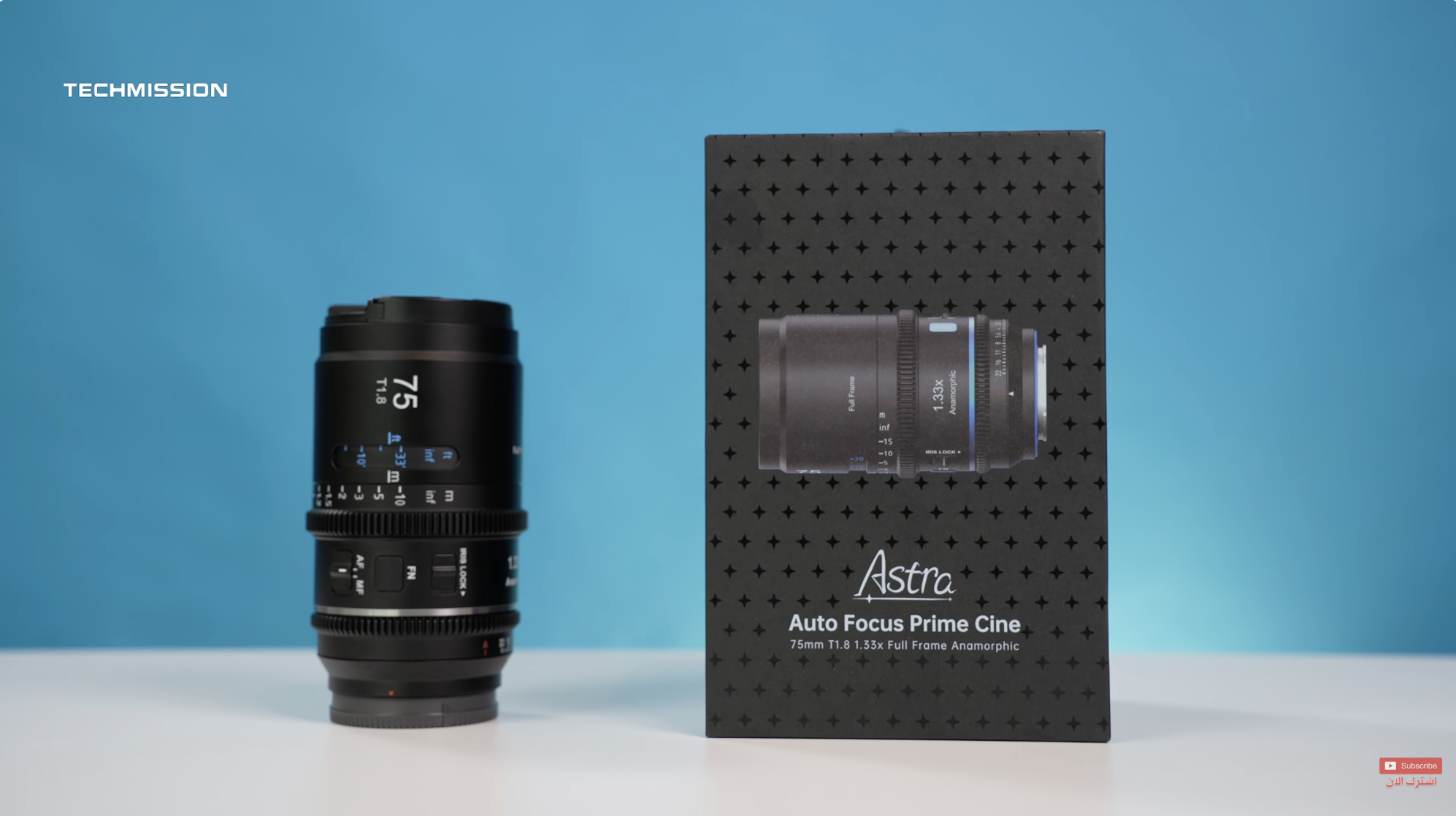
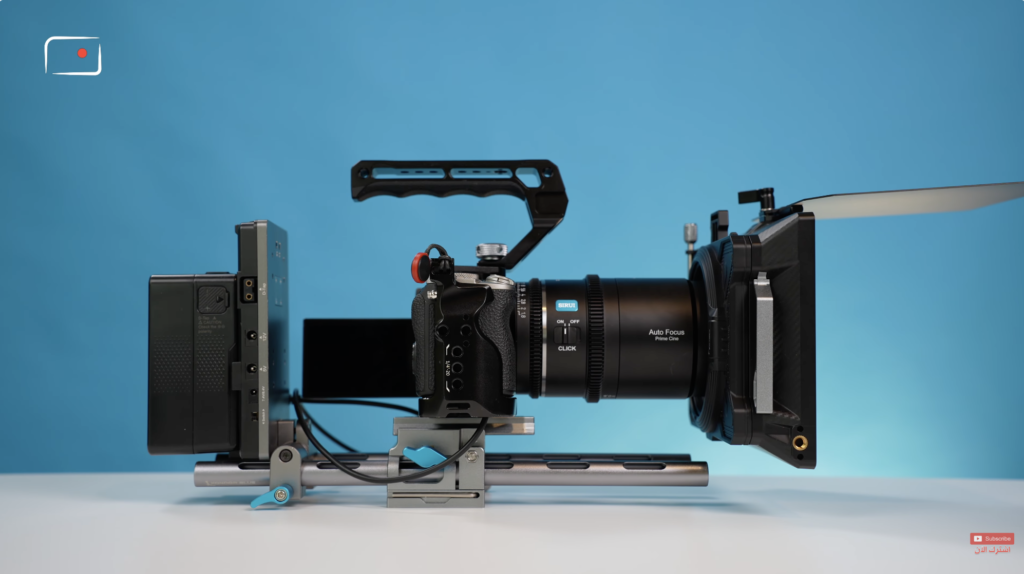
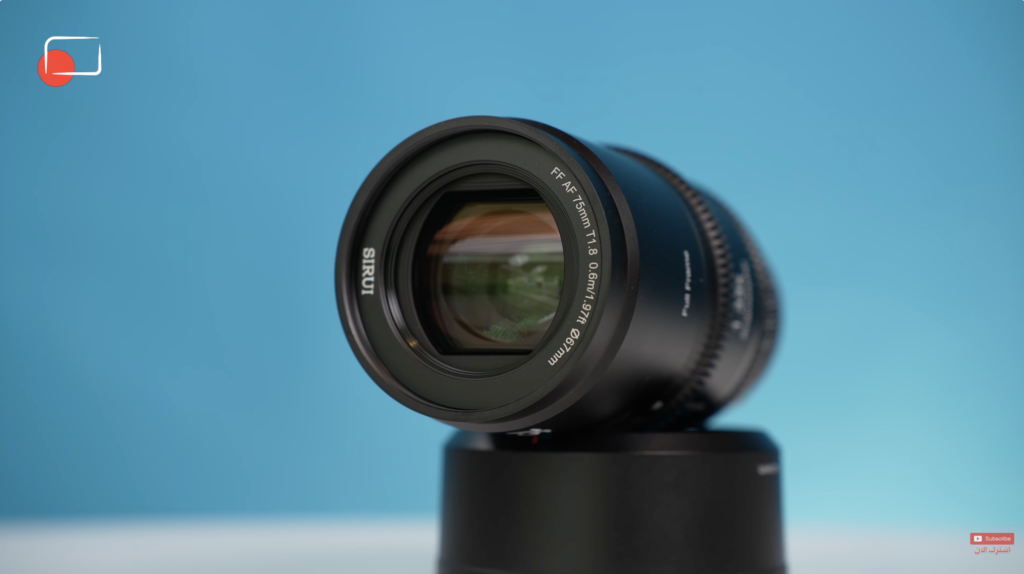
The Astra 75mm looks and feels like a cinema lens, but it is not restricted to a large cinema rig. The E-mount version tested here weighs approximately 650g and is 131mm long. Its standard 67mm filter thread makes circular ND filters practical during travel, documentary work and run-and-gun production.
The focus and aperture rings are geared for follow-focus systems, with consistent ring positions across the 50mm, 75mm and 100mm lenses. The aperture ring can be clicked or de-clicked, while an iris lock helps prevent accidental changes. An AF/MF switch, programmable function button and USB-C firmware port complete the controls.
SIRUI Astra 75mm key specifications
| Specification | SIRUI Astra 75mm T1.8 |
|---|---|
| Format coverage | Full frame |
| Squeeze ratio | Constant 1.33x |
| Aperture range | T1.8–T22 |
| Optical construction | 18 elements in 13 groups |
| Cylindrical elements | 4 |
| Aspherical elements | 1 |
| Aperture blades | 13 |
| Minimum focus distance | 0.6m |
| Focus modes | Autofocus and manual focus |
| Focus motor | STM |
| Focus-ring rotation | 136 degrees |
| Filter thread | 67mm |
| Available mounts | Sony E, Nikon Z and L-Mount |
| Weight | 650g E / 666g Z / 655g L |
| Flare options | Neutral or blue |
Is the autofocus actually good enough for filmmaking?
During my testing, focusing was quick, accurate and able to identify and follow the subject’s eye. The default transition can feel faster than I would normally want in a cinematic shot, but compatible cameras allow the transition speed to be reduced.
Autofocus makes the lens especially useful for handheld movement, gimbal work, documentary production and single-operator shooting. For a deliberate rack focus, I would still use the geared focus ring or a follow-focus system for direct control over timing.
Sharpness is unusually strong for anamorphic glass
The Astra 75mm is very sharp by anamorphic standards. It retains some difference between the centre and edges while producing strong central detail. Colour appears slightly warmer than the Sony G Master lenses used as a familiar comparison, supporting the cinematic character.
Its 13-blade aperture and anamorphic optics create elongated out-of-focus highlights, while the transition from the focused subject to the background is smooth and pleasing.
The focus breathing adds character—but requires control
Some focus breathing is visible when shifting between near and distant subjects. Here it is present without becoming excessively distracting. Used carefully, it gives a rack focus the familiar movement associated with anamorphic cinematography.
Neutral and blue flare versions offer different personalities
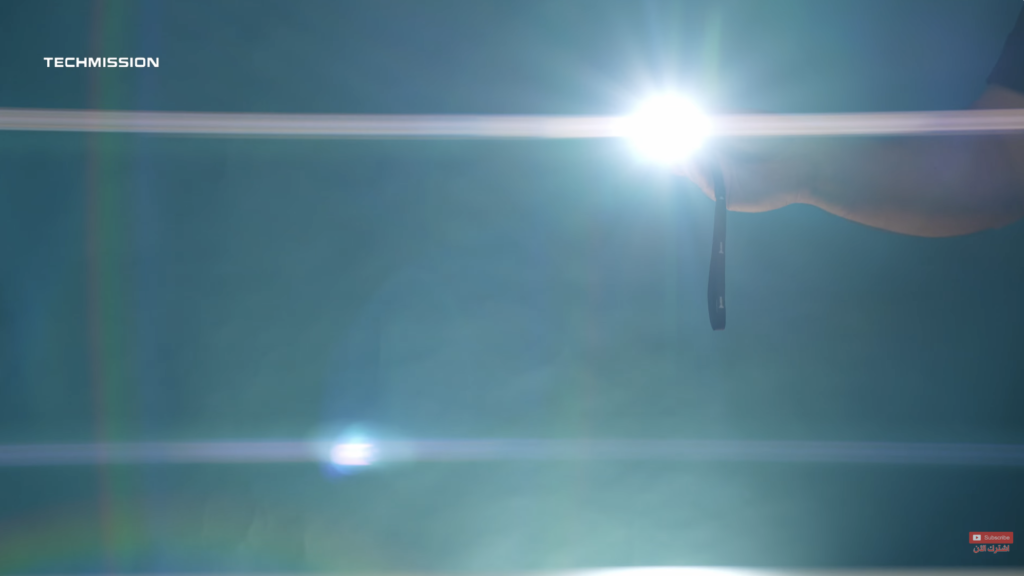
SIRUI sells the Astra in neutral and blue flare versions. I tested the neutral model, which still produces a pronounced horizontal streak. Strong sources may create a second line, ghosting and a broader halo.
For me, that character is positive, but it requires care. When flare is unwanted, the cinematographer will need to adjust the angle, flag the light or use a matte box.
What are the compromises?
The 0.6m minimum focusing distance is useful for portraits and details but does not turn the lens into a macro; extreme close-ups may require a suitable diopter. The strong flare can overwhelm an unplanned shot, while filmmakers seeking a more exaggerated anamorphic image may prefer a stronger squeeze.

Who should buy the SIRUI Astra 75mm?
- Solo filmmakers who cannot employ a dedicated focus puller.
- Documentary crews working with small camera packages.
- Gimbal and handheld operators who need subject tracking.
- Commercial and narrative filmmakers wanting an anamorphic portrait lens.
- Content creators moving from spherical lenses into anamorphic production.
- Owners of Sony E, Nikon Z or L-Mount full-frame mirrorless systems.
TECHMISSION Recommends
Where to Buy the SIRUI Astra 75mm T1.8
Some links are affiliate links — TECHMISSION may earn a commission at no extra cost to you. See our affiliate disclosure.
Verdict: a genuine step forward for accessible anamorphic filmmaking
The SIRUI Astra 75mm T1.8 succeeds because it does not discard the qualities people expect from anamorphic glass. It produces attractive oval bokeh, a warm and detailed image, visible focus character and strong horizontal flares, while adding quick autofocus, camera-controlled aperture and a compact body.
Most importantly, the autofocus is not just a feature printed on the box. It is fast and accurate enough to make a real difference during production. For solo operators, small teams and filmmakers who want cinematic character without sacrificing a modern workflow, the SIRUI Astra 75mm is a compelling first-generation product—and a clear sign of where anamorphic lens design is heading.