Sony FE 100mm F2.8 Macro GM OSS Review
Sony Finally Gives Macro Photography the G Master Treatment
Sony’s G Master lineup has covered almost everything for years: ultra-wide lenses, standard primes, portrait lenses, fast zooms, super-telephoto wildlife lenses, and nearly every professional focal length in between.
But one category was still missing: a true G Master macro lens.
Now, with the Sony FE 100mm F2.8 Macro GM OSS, that gap is finally closed.
This is not just another macro lens with a premium badge. It is a lens that brings several meaningful upgrades to Sony’s macro system, especially for photographers who shoot insects, flowers, product details, textures, jewellery, and close-up creative work.
And as someone who has used the Sony 90mm F2.8 Macro G OSS for years, and still loves it, I can say this clearly: the new 100mm GM does not simply replace the 90mm. It takes Sony macro photography into a new category.
More Than a 1:1 Macro Lens
Most true macro lenses offer 1:1 magnification, meaning the subject can be reproduced at life size on the camera sensor.
The Sony 100mm Macro GM goes beyond that.
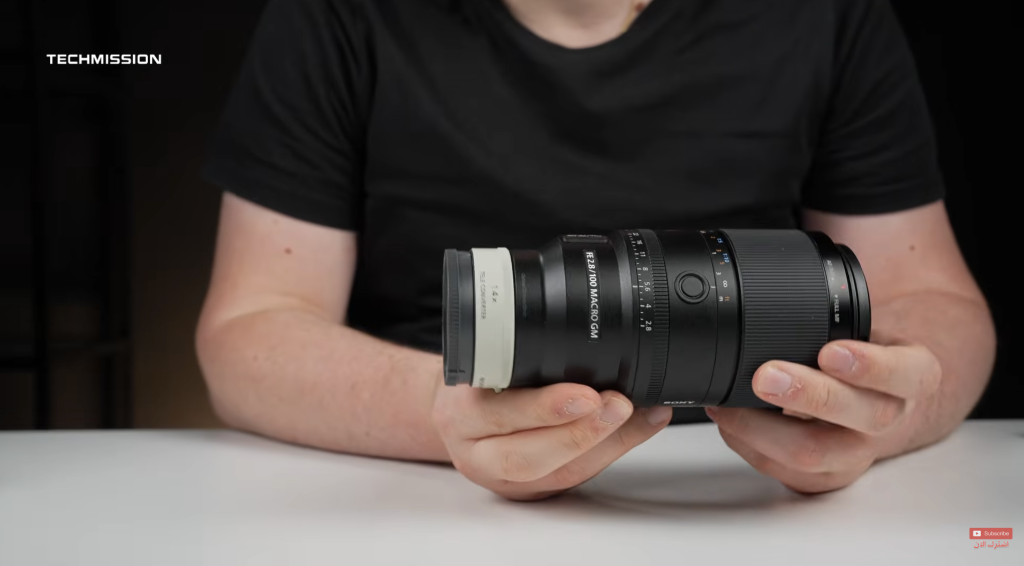
It offers native 1.4x magnification, giving you more reach into tiny details even before adding any accessories. More importantly, it is compatible with Sony’s 1.4x and 2x teleconverters, pushing magnification up to 2x with the 1.4x teleconverter and up to 2.8x with the 2x teleconverter.
Sony officially lists the lens as offering up to 1.4x magnification natively, or up to 2.8x with an optional teleconverter. (Sony Middle East)
That is the biggest practical advantage of this lens.
With macro photography, more magnification is useful, but working distance can be even more important. When photographing insects or other living subjects, being too close can scare them away. With the teleconverter, you can shoot from farther away while still getting high magnification.
It also helps with flash photography. Because the lens gives you more working distance, an on-camera flash can actually reach the subject more easily, instead of being blocked by the lens or requiring a dedicated macro diffuser setup.
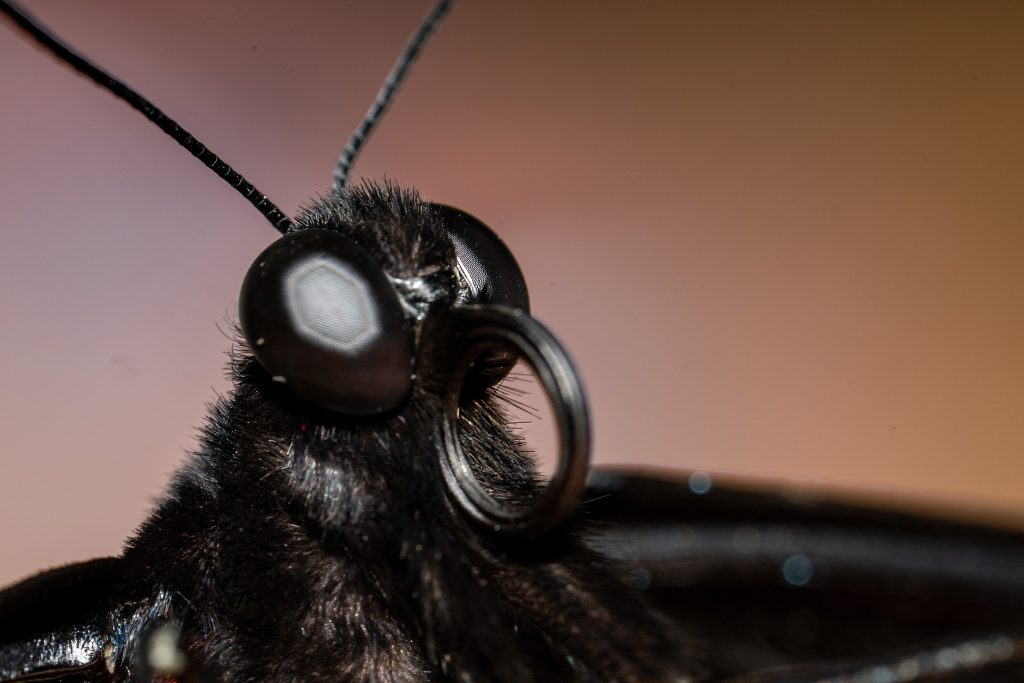
For my own use, this was one of the biggest real-world improvements. I was able to photograph butterflies and very small subjects handheld, with flash, more comfortably than I could with a traditional macro setup.
Compact Considering What It Offers
On paper, this lens could have been large and heavy.
It is a 100mm G Master macro lens, with optical stabilisation, 1.4x native magnification, teleconverter compatibility, extensive controls, and professional weather sealing.
Yet Sony managed to keep it surprisingly practical.
The lens weighs 646g and measures 81.4 x 147.9mm, with a common 67mm filter thread. (Sony UK)
Compared with the older Sony 90mm Macro G OSS, it is only slightly heavier and slightly longer, despite offering much more. That is impressive engineering.
The lens feels balanced on cameras such as the Sony Alpha 1 and A7-series bodies, and it is light enough for serious handheld macro work.
Professional Handling and Weather Sealing
The build quality is exactly what I expect from a modern G Master lens.
The lens mount is metal. The body has extensive sealing against dust and moisture, and the front element has fluorine coating to help resist dirt, oil, and moisture.
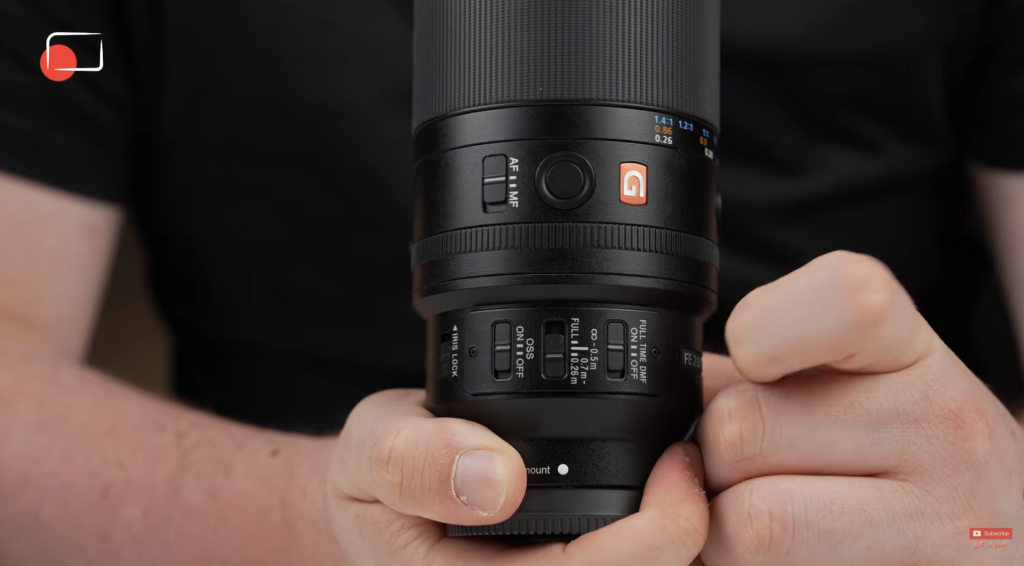
The control layout is also excellent.
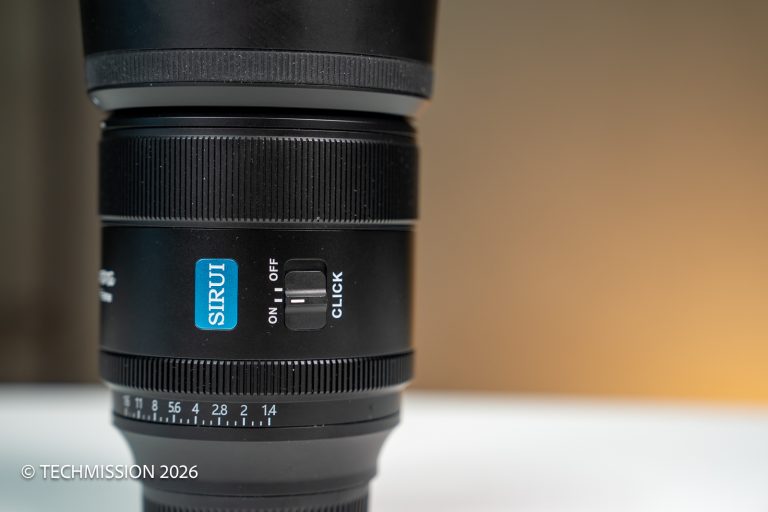
You get an aperture ring, click/de-click switch, iris lock, OSS switch, focus limiter, AF/MF switch, Full-Time DMF switch, and two customizable focus hold buttons positioned for easy access.
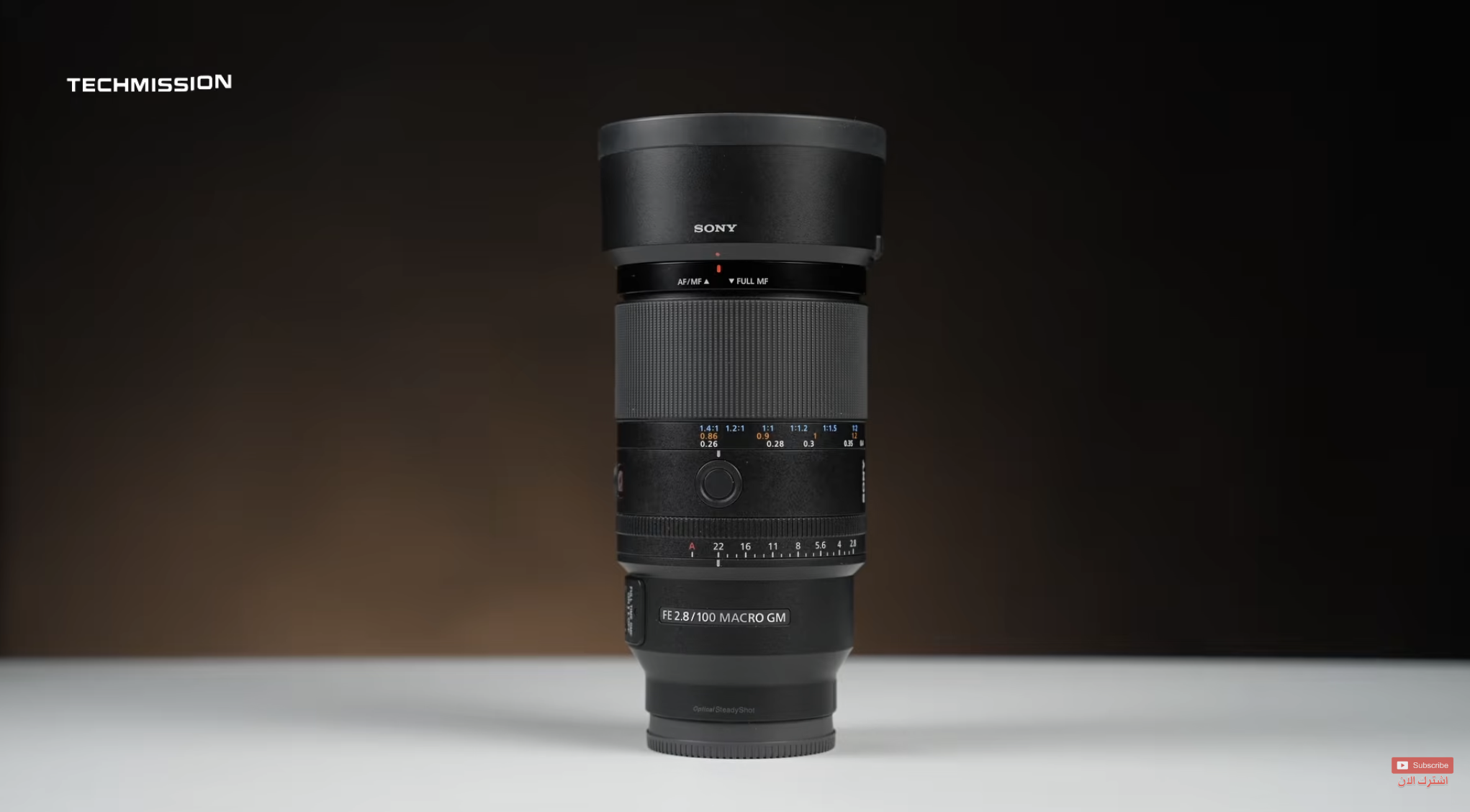
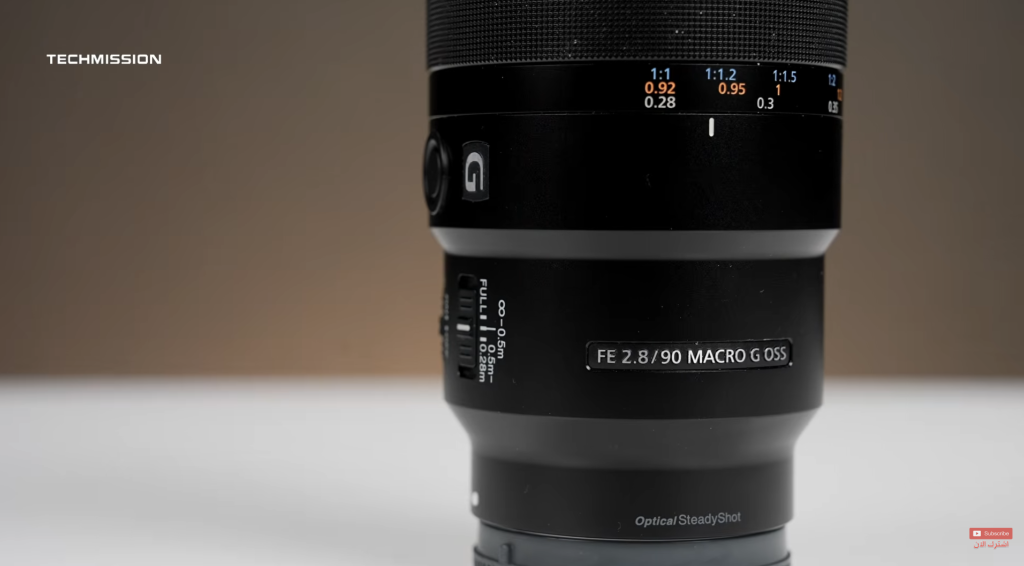
The manual focus clutch system is one of the most important handling features. Pulling the focus ring engages a more direct manual focus experience, which is extremely useful for macro work. The ring also shows focus distance and magnification markings, which makes the lens feel like a serious macro tool rather than a general-purpose lens that happens to focus closely.
Most of the manual focus travel is concentrated in the close-focus range, which is exactly where macro photographers need precision. Beyond roughly one metre, the focus travel becomes much shorter, but that is not a major issue because autofocus is so good for normal-distance subjects.
Stabilisation Made for Macro
Sony has included Optical SteadyShot in this lens, but this is not just ordinary lens stabilisation.
It is designed with macro shooting in mind, and in practice, the difference is very clear.
When paired with in-body stabilisation on cameras such as the Sony Alpha 1 or A7 V, handheld close-up shooting becomes much more practical. Macro photography will always be demanding because even tiny movements become visible at high magnification, but this lens gives you a level of confidence that I rarely feel with macro lenses.
For me, this was one of the first macro lenses where I felt genuinely comfortable shooting very close subjects handheld with flash, without constantly feeling that a tripod was mandatory.
Autofocus: The Biggest Surprise
Macro lenses are usually not known for fast autofocus.
That is understandable. They have to move through a very large focusing range, often with complex optical groups, and precision matters more than speed.
The Sony 100mm Macro GM changes that expectation.
It uses four XD linear motors, and the result is the fastest autofocus performance I have personally used in a macro lens.
It does not feel like a traditional macro lens trying to keep up. It feels like a modern G Master prime. Focus is fast, confident, accurate, and consistent, whether shooting small subjects, insects, or normal-distance subjects.
This matters because it makes the lens more versatile. It is not only a specialist macro lens. It can also be used confidently for portraits, details, product photography, weddings, and general close-up work.
Optical Performance: Essentially Flawless
The optical performance is, simply put, outstanding.
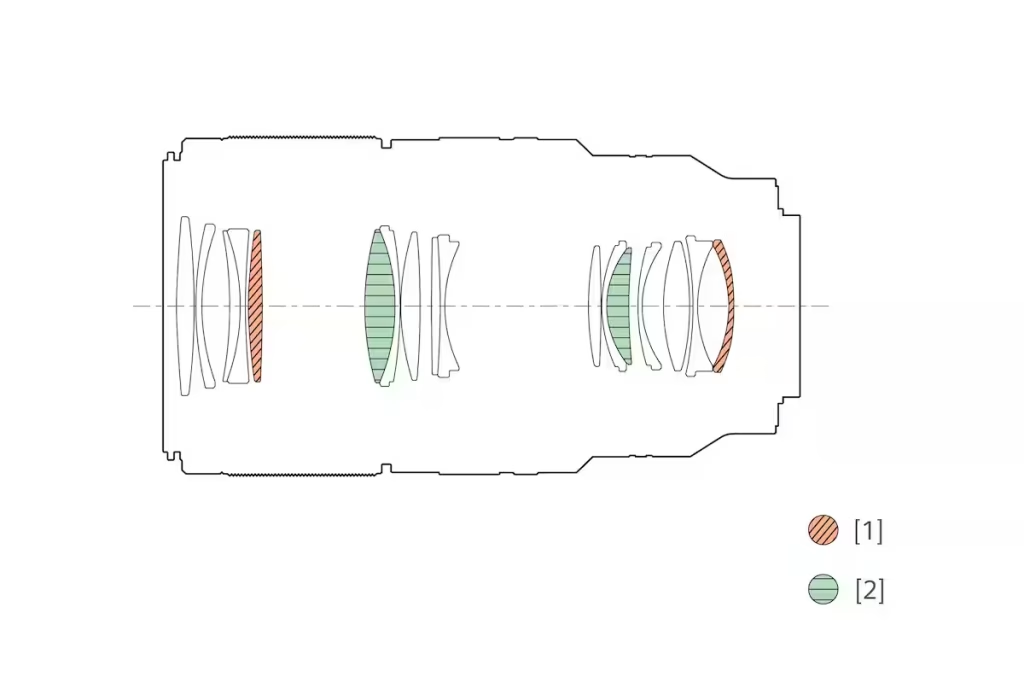
The lens is built from 17 elements in 13 groups, including two XA elements and two ED elements.
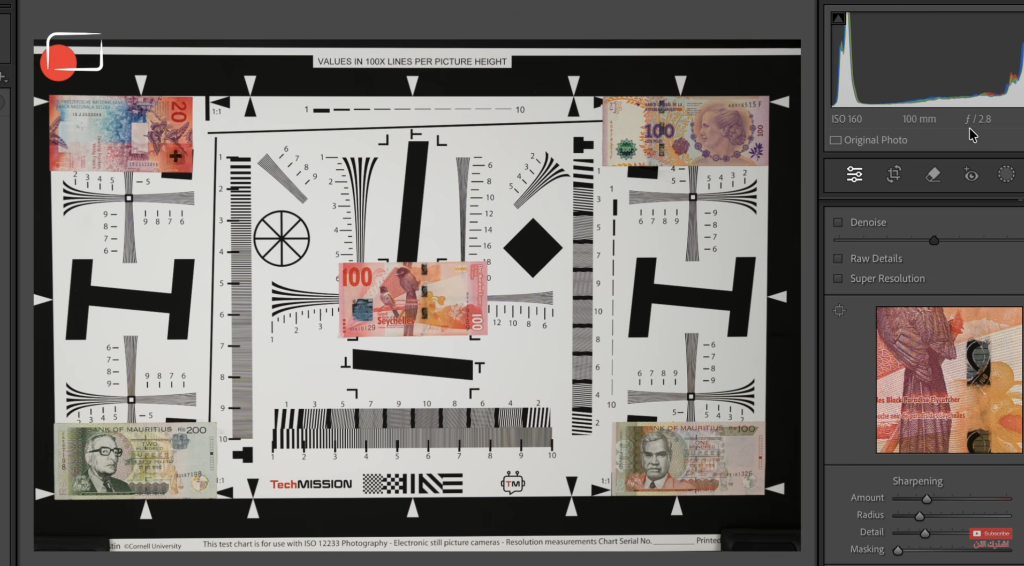
In real testing, sharpness and contrast are excellent from f/2.8. Centre sharpness is superb, edge sharpness is also excellent, and stopping down improves very little because the lens is already performing at such a high level from wide open.
Between f/2.8 and around f/11, the performance is exceptional. After f/11, diffraction naturally starts to soften the image slightly, as expected with any lens.
Distortion is practically a non-issue. I did not see meaningful barrel distortion, pincushion distortion, or chromatic aberration in close-up or normal shooting. Even with the 1.4x teleconverter, the lens remains impressively sharp, with only a slight reduction toward the edges.
Flare resistance is probably the only area where I would not call it perfect. It is not bad, and I did not see major ghosting, but direct strong light can reduce contrast slightly more than I expected from an otherwise exceptional G Master lens.
Bokeh and Background Separation
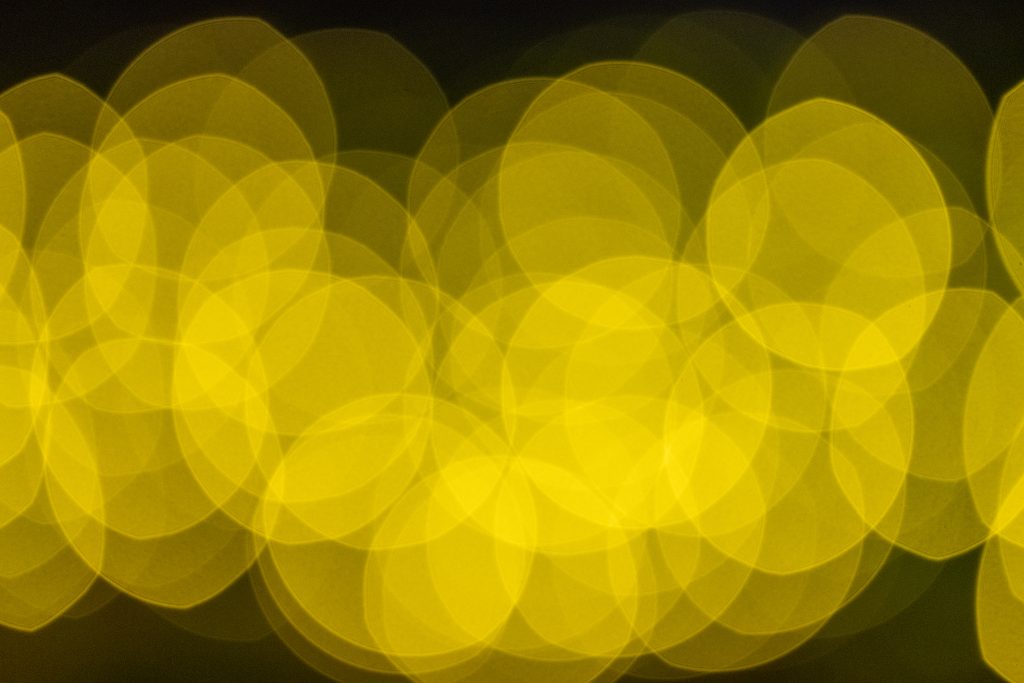
This lens has an 11-blade circular aperture, and background separation is beautiful.
It may not produce the most magical bokeh balls in the G Master lineup, and in some situations highlights can look slightly less perfectly round than expected, but this is not a major issue.
For macro photography, what matters more is the transition between focus and defocus, and here the lens is excellent. Backgrounds melt away cleanly, subjects separate beautifully, and the overall rendering feels premium.
It is also worth remembering that at macro distances, even f/2.8 can create extremely shallow depth of field. In practical use, most macro photographers will stop down to get more usable depth.
Is It a Replacement for the Sony 90mm Macro?
Not exactly.
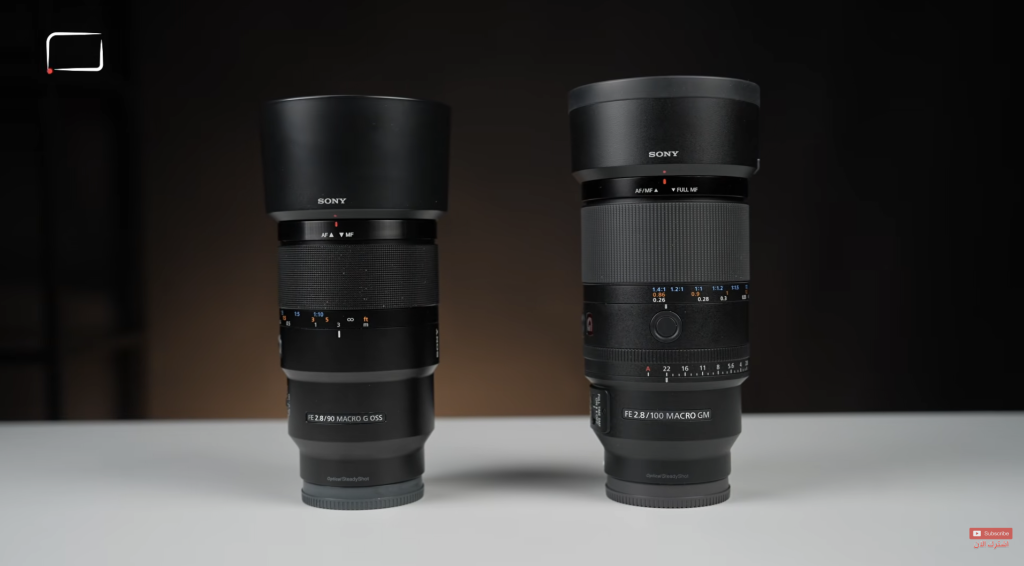
The Sony 90mm F2.8 Macro G OSS remains a beautiful lens. It is sharp, reliable, and still capable of excellent results.
But the 100mm Macro GM is in a different class.
It gives you higher native magnification, teleconverter compatibility, faster autofocus, better stabilisation for macro work, more advanced controls, and G Master optical performance.
The 90mm is still a great macro lens. The 100mm GM is the new professional benchmark in Sony’s system.
The Price
At around $1,500, this is not an inexpensive lens. But for a G Master lens with this level of optical performance, stabilisation, autofocus, handling, and teleconverter support, the price is reasonable.
It is still a serious investment, but this is also a serious professional tool.
Verdict
The Sony FE 100mm F2.8 Macro GM OSS is one of the most impressive macro lenses I have ever tested.
It combines exceptional sharpness, fast autofocus, strong stabilisation, excellent handling, and a level of magnification that goes beyond traditional 1:1 macro photography.
The teleconverter compatibility is not a small feature. It fundamentally changes what you can do with this lens, especially when photographing small living subjects or when working with flash.
For Sony shooters who are serious about macro photography, this is now the lens to beat.
Buy It If
- You shoot macro seriously and want the best native Sony option.
- You photograph insects, flowers, products, jewellery, textures, or fine details.
- You want more than 1:1 magnification without moving to a fully manual specialist macro lens.
- You need fast autofocus and reliable handheld performance.
- You already own Sony teleconverters or plan to use them.
Skip It If
- You already own the Sony 90mm Macro G OSS and only shoot macro occasionally.
- You do not need more than 1:1 magnification.
- You mainly shoot controlled studio macro on a tripod and do not need advanced autofocus.
- You are looking for the cheapest way to enter macro photography.
For me, the Sony 100mm F2.8 Macro GM OSS is not just Sony’s first G Master macro lens. It is the lens that finally makes macro photography feel fully modern inside the Sony system.