Insta360 X6 Review: A True Three-in-One 360 Camera
Larger sensors, 8K at 50fps, 120MP photos and a smarter design make the X6 a more capable 360 camera—but the biggest gains depend on how and where you shoot.
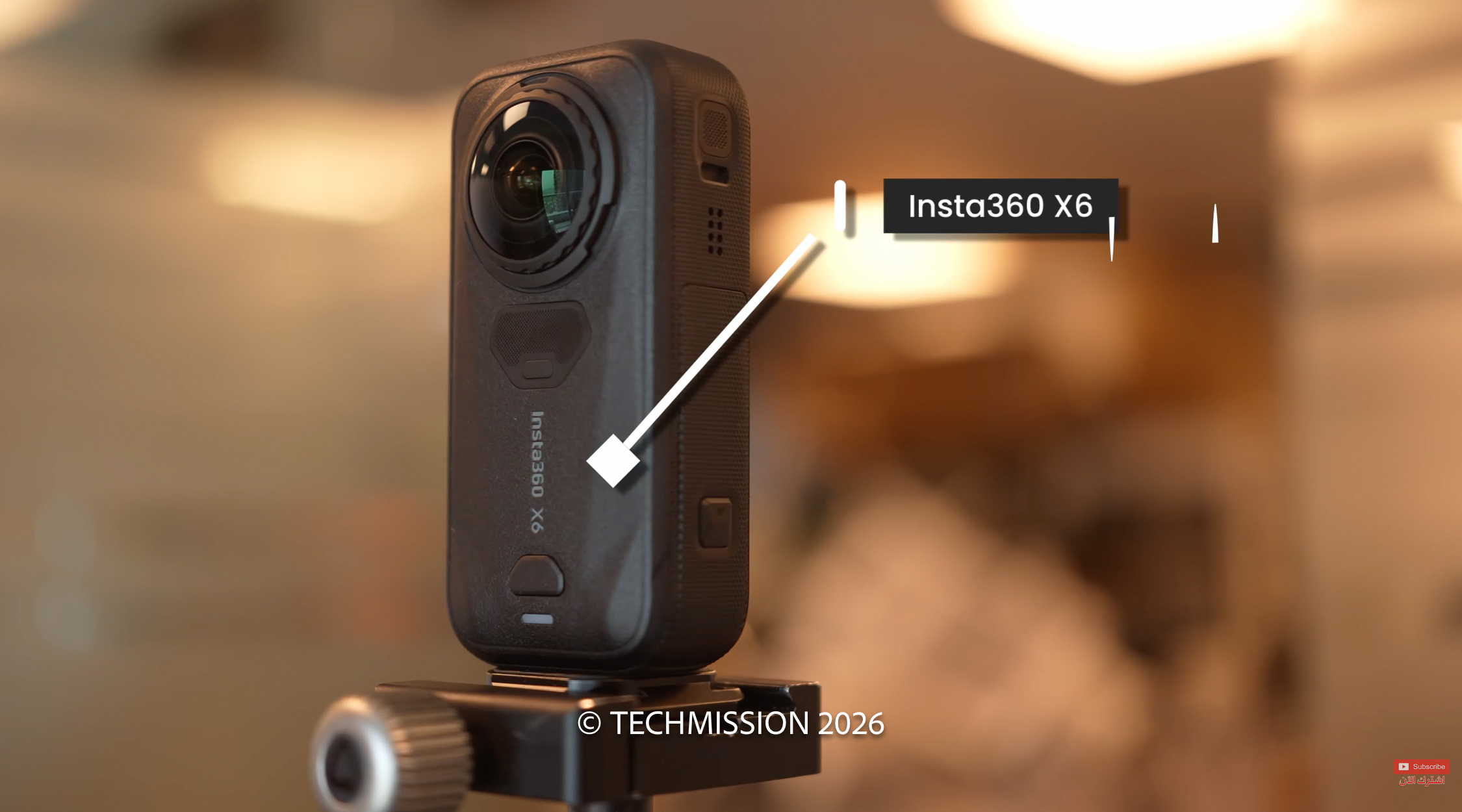
The Insta360 X6 is not simply an X5 with a higher frame rate. After using it in Armenia across bright daylight, low light and genuinely dark scenes, I found a camera that changes in more meaningful ways: a new body, larger sensors, stronger processing, 10-bit capture, in-camera Dolby Vision and three distinct ways to shoot.
The short verdict is that the X6 is one of the most complete cameras in its category. It can record everything around you for reframing later, behave like a virtual gimbal for vlogging and tracking, or work as a conventional single-lens action camera. X5 owners who mainly shoot 8K30 in good light will not always see a dramatic difference, but low-light shooters, color graders and anyone who wants a stronger single-lens mode have much more reason to upgrade.

A wider, more practical design with a genuinely useful OLED screen
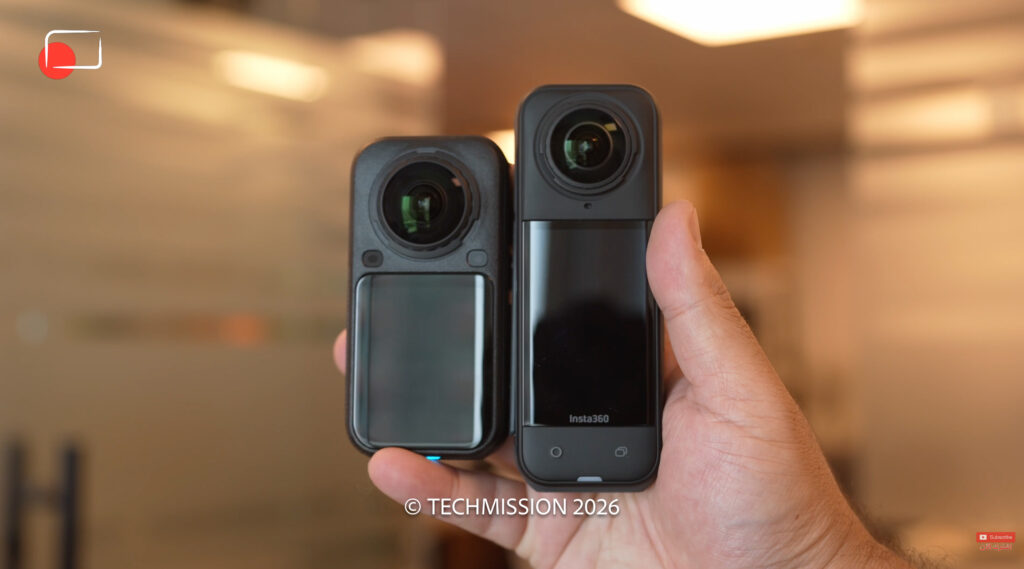
The first difference appears before you switch the camera on. Insta360 has moved away from the tall, narrow shape of the X5 toward a body that is shorter, wider and easier to handle. To me, the new form is more practical both in the hand and when packing the camera for travel.
The front is dominated by a full OLED screen. Better color and deeper blacks are welcome, but the important change is how the display works. Pressure sensing gives the screen the feel of a physical control, while a vibration motor provides haptic confirmation when recording starts or stops. That feedback matters when the camera is on a stick, away from your face, underwater or being operated with gloves. Visibility under strong sunlight was also excellent during my testing.
The menus remain familiar and easy to navigate: swipe from the left to review footage, from the right for shooting controls and from the top for camera settings. The interface does not create a learning curve for existing Insta360 users.
Replaceable lenses, magnetic mounting and better water resistance
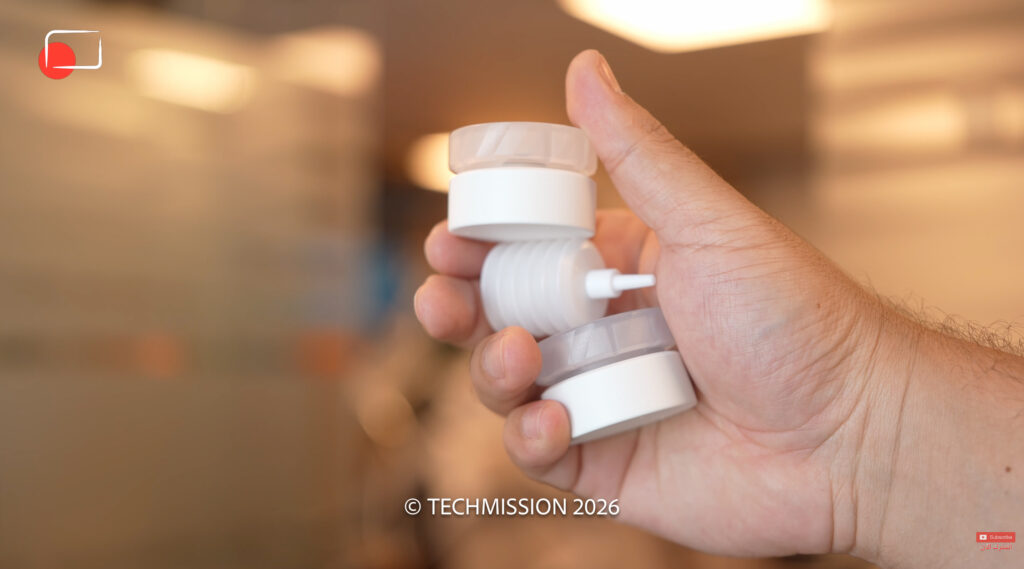
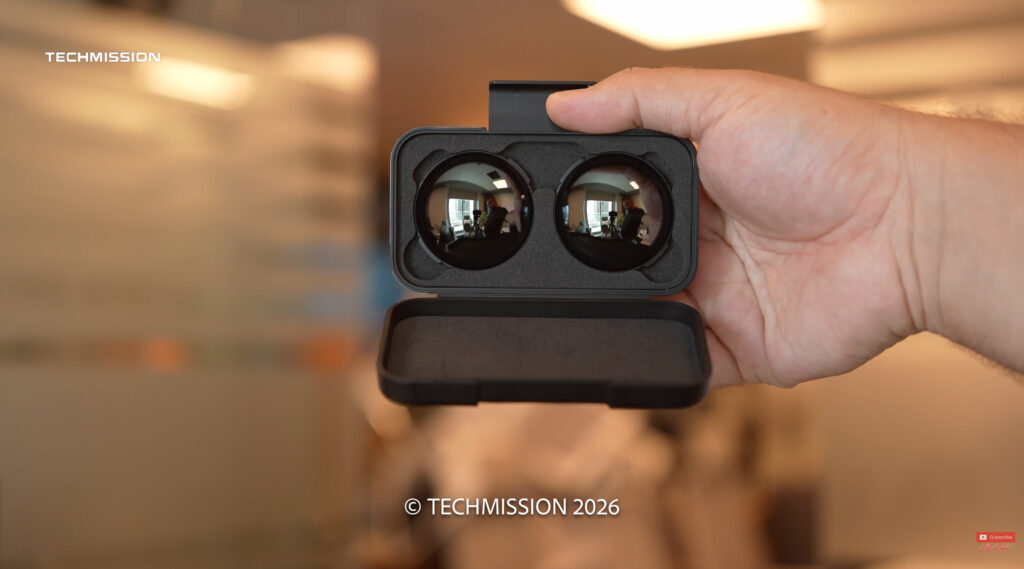
The protruding lenses remain replaceable, which is essential on a 360 camera because even a small scratch can damage an image or interfere with the seam between the two views. The new Replaceable Lenses 2.0 system is quick and straightforward; after fitting a replacement, the camera requires a stitching calibration from its settings.
On the bottom, the X6 combines a standard 1/4-inch thread with a magnetic quick-release system. New magnetic contacts can supply power to compatible accessories. Insta360 says the wider ecosystem supports more than 100 accessories, including over 50 quick-release options through adapters.
The camera itself is waterproof to 20 meters, up from 15 meters on the X5. The Invisible Dive Case extends that to 60 meters. Build quality, buttons and doors all feel as solid as I have come to expect from Insta360.
Larger 1/1.1-inch sensors improve the image where it matters
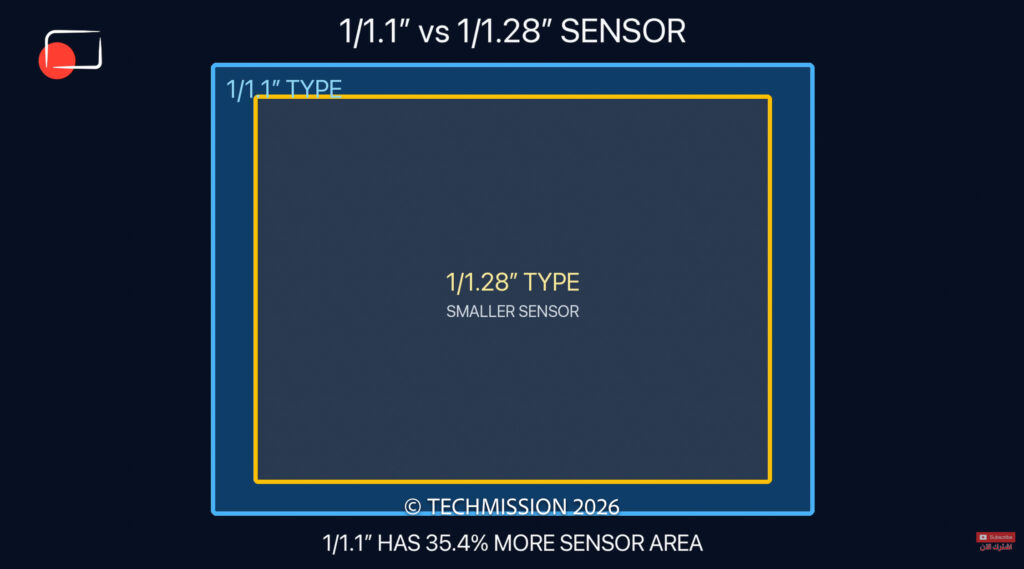
Behind the two lenses are custom Sony 1/1.1-inch sensors developed for Insta360 cameras. They are 35% larger than the X5’s 1/1.28-inch sensors. Sensor size alone never guarantees a better image, but here the combination of larger sensors and updated processing produces visible real-world gains.
In daylight, the X6 delivers an excellent image by 360-camera standards. Dynamic range, sharpness and contrast are strong. Insta360’s colors remain attractive and fairly natural, although automatic exposure tends to lift shadow detail slightly. Skin tones looked natural on me and on other members of the team.
Stitching is another strength. Ghosting was limited to a very narrow area around the seam between the lenses, and Insta360 continues to lead the category underwater, where stitching is particularly difficult.
The camera uses what Insta360 calls a Triple AI Chip System: two chips dedicated to image processing and noise reduction, plus a main Qualcomm processor built on a 4nm architecture. The objective is more processing power with better efficiency, particularly at night, around sunset and under a starry sky. Armenia was very hot during my trip, yet I did not encounter noticeable overheating. That is encouraging, although it is not a substitute for a longer controlled thermal test.
8K50 video and 120MP photos give you more room to reframe
In 360 mode, the X6 records up to 8K at 50 frames per second, compared with 8K30 on the X5. The extra frame rate is useful for movement and can produce smoother reframed footage, but it is not the setting I would use for everything. I still shoot 30fps for most videos and reserve 50fps for situations that benefit from it.
Still-image resolution rises from 72MP on the X5 to 120MP. In my comparisons, the additional detail was real and visible, with a more natural rendering and less aggressive-looking sharpening. The larger files provide considerably more freedom for cropping and reframing, but they also require more storage and processing time.
Low light is better, but this is still not a night camera
Night remains the hardest test for any 360 camera. Two ultra-wide views, small optics and heavy processing impose unavoidable limits. The X6 counters them with its larger sensors, AI processing and PureVideo mode.
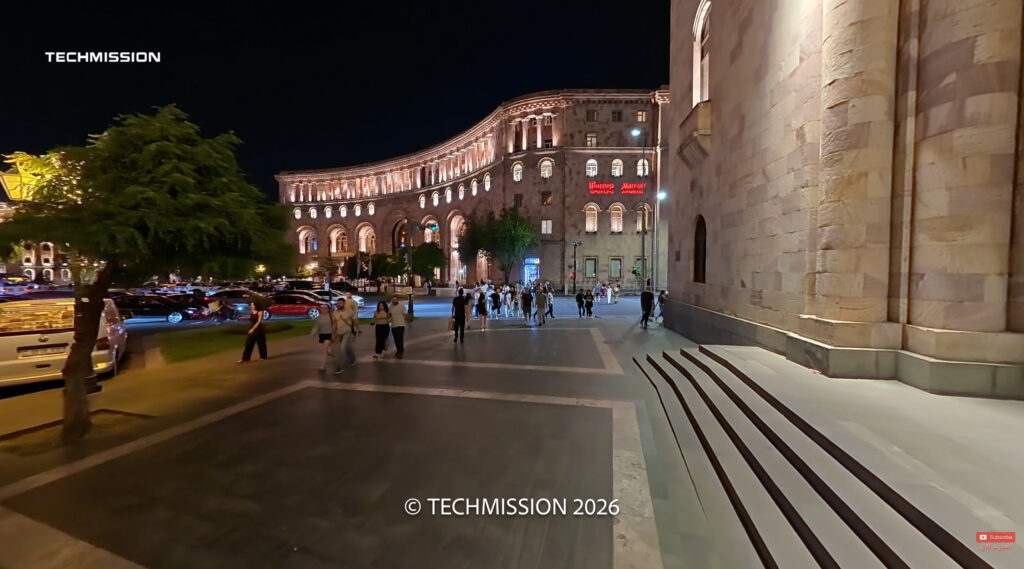
I recorded PureVideo at 8K30 using the High Bitrate setting. In most low-light scenes, the straight-out-of-camera result was strikingly good: noise stayed reasonable, noise reduction worked effectively and the image retained useful sharpness and contrast. In extreme darkness, however, quality drops quickly. Fine detail softens, resolution suffers and strong noise reduction reveals the effect of a high ISO setting. The improvement is real, but the X6 should not be mistaken for a dedicated low-light camera.
Dolby Vision is convenient; 10-bit I-Log is the option I would choose
One of the X6’s most important additions is broad 10-bit support and, for the first time in a 360 camera, native in-camera Dolby Vision. Dolby Vision is designed for someone who wants a rich image with good dynamic range directly from the camera and does not want a long color-grading workflow. The result is convenient, although I did not find its color entirely natural. I prefer to control the look in post-production.
That makes 10-bit I-Log the more compelling option for me. It offers more flexibility when balancing color and recovering highlights and shadows in an editor. Insta360 also provides an official I-Log-to-Rec.709 LUT. The company is still early in its log journey and the underlying algorithms have room to mature, but the current implementation is already useful.
There is one important limit: both Dolby Vision and I-Log top out at 8K30, not 8K50.
Three shooting modes make the X6 more than a 360 camera
1. 360 mode: shoot first and choose the frame later
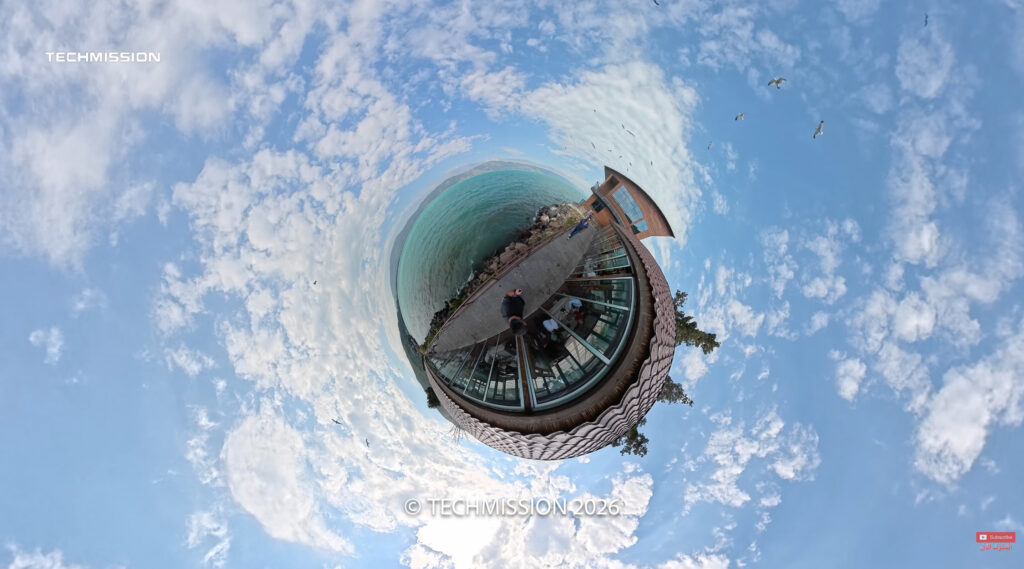
This is the classic Insta360 experience. The camera captures everything around it, then lets you choose the framing, camera movement and aspect ratio afterward. It remains the best approach for sports, travel, unpredictable action and any shot that would be impossible to aim precisely in the moment. It also enables the familiar Invisible Selfie Stick effect.
FlowState Stabilization and 360 Horizon Lock keep footage steady and the horizon level even as the camera rotates. Stabilization was excellent in my walking footage and equally convincing when the camera was mounted on a car.
2. InstaFrame 2.0: a virtual gimbal for tracking and vlogging
InstaFrame 2.0 turns a 360 camera into something resembling a virtual gimbal. You can lock tracking onto a person, animal or object. The camera automatically reframes the scene and creates a flat 4K30 video ready to use, while optionally preserving a 360 master file at up to 8K for backup, B-roll or a later edit.
The new Foldable Selfie Stick adds a control for moving the frame smoothly, much like a gimbal. Unlike a mechanical gimbal, there is no physical rotation limit. You can switch between the front and rear lenses with a press while retaining the same image quality, then extend the stick to return immediately to a third-person 360 perspective.
Tracking proved stable and dependable in my testing. That is impressive with such a wide lens, because a subject can become very small in the frame very quickly. Insta360 also says InstaFrame 2.0 will reach the X5 through a firmware update, so this feature alone is not a reason for an existing owner to replace the camera.
3. Single Lens mode: a much stronger conventional action camera
When you do not need a 360 view, one lens can operate like a conventional action camera. The X6 reaches 5K60, an ultra-wide 170-degree view at 5K30, or 4K120 for slow motion. That is a substantial step beyond the X5’s maximum of 4K60 in Single Lens mode.
Overall image quality is excellent. The familiar wide-angle distortion remains, but sharpness and contrast hold up well. As with other compact action cameras, avoid 4K120 when the light is weak; the faster shutter speeds needed for high-frame-rate capture leave much less light for the sensor.
AI Director could solve the most tedious part of 360 video
Insta360 says its new AI model was trained on more than 10,000 hours of 360 video across over 30 scene types. Its headline feature is AI Director: while the camera is charging, it analyzes footage, identifies notable moments, reframes them and sends finished clips to your phone.
I could not test AI Director because it was not available in the pre-release firmware. Insta360 says it will arrive in a software update after launch, so any judgement should wait until the shipping version is available. Auto Edit 2.0 is intended to provide faster, more natural edits, while Moments Pro generates videos in a selected style from keywords.
Audio, battery life, storage and faster connectivity
The X6 uses a 360 Windproof Microphone system designed to reduce wind from every direction. The Insta360 Mic Pro can connect directly; in my tests, both connection reliability and sound quality were excellent.
Battery capacity increases to 2,600mAh from 2,400mAh in the X5. Capacity does not tell the full runtime story because the X6 also has a new OLED screen, larger sensors and 8K50 recording. Even so, battery life felt excellent in real-world use. A dedicated endurance test is still needed before attaching precise runtimes to each mode.
For the first time in an Insta360 camera, 47GB of internal storage is available to the user. It is enough to begin recording if you forget a microSD card, though it remains far below the internal capacity offered by the DJI Osmo 360.
Tap to Connect uses NFC in the screen to wake the camera and pair it with the Insta360 app. Wi-Fi 6 offers theoretical transfers up to 100MB/s, while USB 3.0 can reach up to 450MB/s when transferring from internal storage. Desktop users still have Insta360 Studio, a Reframe plugin for Adobe Premiere Pro and the official I-Log-to-Rec.709 LUT.
Insta360 X6 vs X5: the key differences
| Feature | Insta360 X6 | Insta360 X5 |
|---|---|---|
| Sensor size | Dual 1/1.1-inch | Dual 1/1.28-inch |
| Maximum 360 video | 8K50 | 8K30 |
| Maximum 360 photo | 120MP | 72MP |
| Single Lens video | 5K60; 5K30 at 170°; 4K120 | Up to 4K60 |
| 10-bit formats | Dolby Vision and I-Log up to 8K30 | No equivalent combination |
| Display | Pressure-sensitive OLED with haptics | Conventional display |
| Internal storage | 47GB available | microSD only |
| Waterproofing | 20m without dive case | 15m without dive case |
| Battery capacity | 2,600mAh | 2,400mAh |
Should X5 owners upgrade?
If you mostly record 8K30 in good light, I did not find the difference consistently dramatic. If you shoot at night, want the grading flexibility of I-Log, prefer ready-to-use Dolby Vision, or need a more capable single-lens action camera, the upgrade becomes much easier to justify.
What are the limitations?
Dolby Vision and I-Log are limited to 8K30 rather than 8K50. The 47GB of internal storage is useful in an emergency but modest compared with the Osmo 360. Some AI features depend heavily on the camera, app and phone working together. Most importantly, AI Director was not available in my pre-release firmware, so it remains an untested promise for now.
Low-light capture is considerably more convincing than before, but extreme darkness still exposes the physical limits of a compact 360 system. And while replaceable lenses reduce the risk of permanent damage, the exposed optics still demand care.
TECHMISSION Recommends
Where to Buy the Insta360 X6
Some links are affiliate links — TECHMISSION may earn a commission at no extra cost to you. See our affiliate disclosure.
Verdict: the X6 is a broader camera, not just a sharper one
The Insta360 X6 is not merely an X5 with more resolution. The new shape, larger sensors, updated processing, 10-bit color, OLED interface and three-way shooting concept change how the camera fits into a creator’s kit.
Its strongest quality is flexibility. You can record an entire environment and reframe later, track a subject and produce a flat vlog-style clip, or switch to one lens for a familiar action-camera workflow. Not every X5 owner needs to upgrade, especially those who work mostly in good light at 8K30. But for demanding low light, higher frame rates, more serious color work and stronger single-lens capture, the X6 makes a persuasive case.