Samsung Galaxy Z Fold8 Ultra Camera Review: Has the Fold Finally Gone Ultra?
After photographing Armenia’s landscapes, architecture, streets, close-up details and nightlife, I found a foldable that no longer makes photographers choose between a large screen and a genuinely capable camera system.
For years, buying a Samsung foldable involved a compromise. You could have the expansive display and multitasking advantages of a Galaxy Z Fold, or choose a Galaxy S Ultra for Samsung’s strongest camera experience.
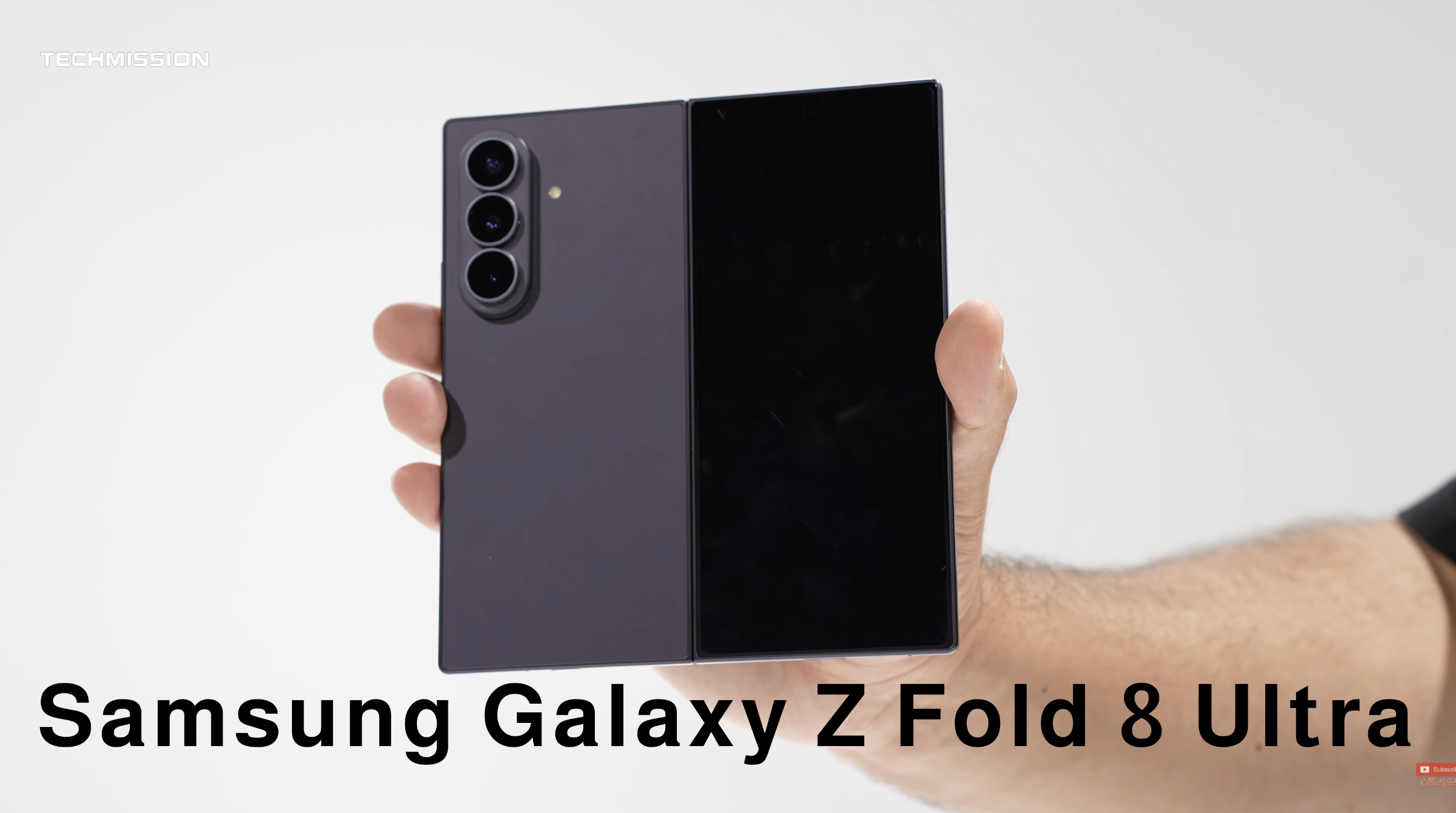
The Samsung Galaxy Z Fold8 Ultra is designed to end that choice. It combines the productivity of a foldable with a 200MP main camera, a new 50MP ultra-wide camera and more advanced video tools.
But specifications do not automatically produce good photographs. The real question is much simpler: when a moment appears in front of you, can you take out the phone, shoot with confidence and get an image you are happy to edit and publish?
To find out, I took the Galaxy Z Fold8 Ultra to Armenia and treated it as a travel camera rather than merely a phone. I photographed landscapes, historic buildings, streets, close details, difficult lighting and night scenes.
I returned with some excellent results—and with a clear answer. The Galaxy Z Fold8 Ultra does deliver a genuine Ultra-level camera experience, while retaining the productivity advantages that make a Fold distinctive.
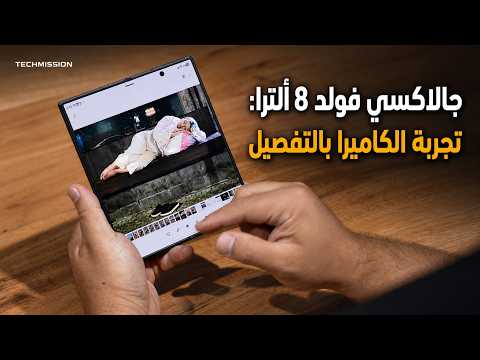
Samsung Galaxy Z Fold8 Ultra: key specifications
| Feature | Specification |
|---|---|
| Main display | 8 inches |
| Cover display | 6.5 inches |
| Thickness when unfolded | 4.1mm |
| Weight | 215g |
| Processor | Snapdragon 8 Elite Gen 5 for Galaxy |
| Battery | 5,000mAh |
| Fast charging | 45W with dual-path architecture |
| Main camera | 200MP with HDR support in 200MP mode |
| Ultra-wide camera | 50MP with macro capability |
| Video | Up to 8K with APV codec support |
| Creator features | LOG video, Cine LUT, Dual Recording and My FanCam |
These specifications establish the hardware foundation, but they do not tell the whole story. What matters is how the cameras, display, processor and software work together in real use.
The foldable design changes the photography experience
The Galaxy Z Fold8 Ultra weighs 215g and measures 4.1mm thick when unfolded, making it considerably easier to carry throughout a long day than the heavy, bulky foldables of the past.
That matters for travel photography. The best camera is not simply the one that produces the best image under controlled conditions. It is the camera you are willing to keep with you—and can reach quickly when a photograph presents itself.
Opening the phone introduces another advantage: an enormous camera display. The 8-inch internal screen gives you a much clearer view of composition, focus, exposure and fine detail than a conventional smartphone screen.
It also makes reviewing photographs more useful. Instead of waiting until you reach a laptop or tablet, you can inspect an image closely, select the strongest frames and begin editing photographs or video on the same device.
There is a practical trade-off, of course. Photographing with the phone unfolded is not always the quickest or most discreet approach. For spontaneous moments, the cover screen remains more convenient. But when composition and careful review matter, the internal display becomes one of the Fold8 Ultra’s most valuable photographic features.
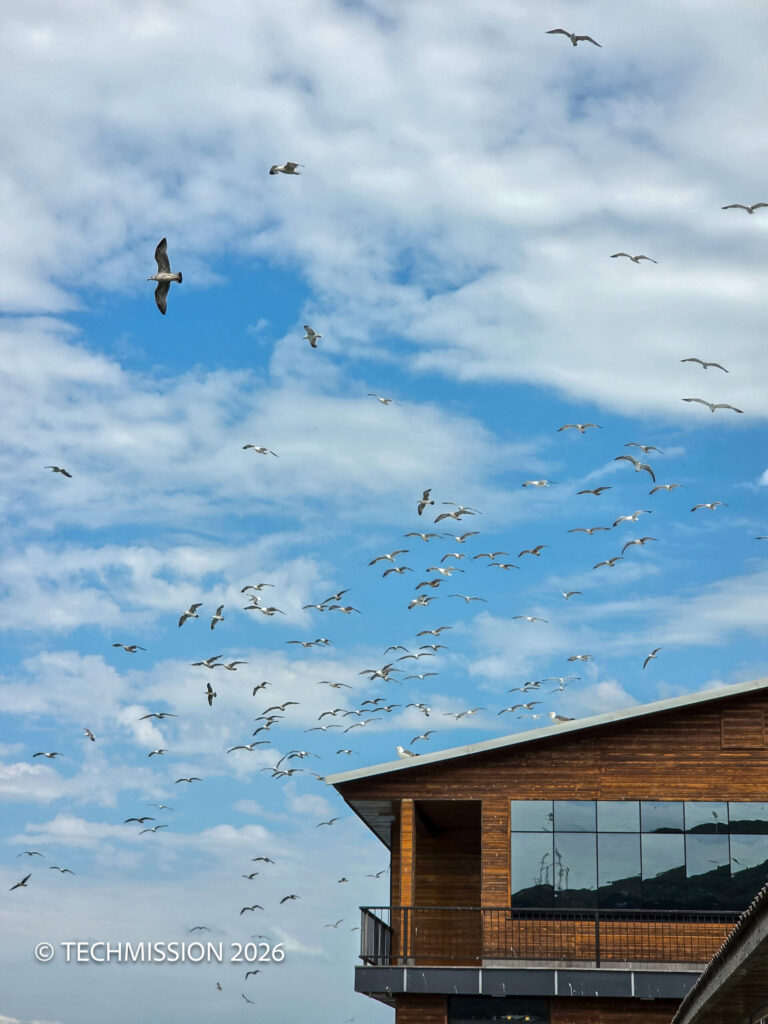
When does the 200MP camera make a difference?
The main camera uses a 200MP sensor, but the important development is not the resolution alone. The Fold8 Ultra also supports HDR while shooting in its 200MP mode.
On many phones, photographers have to choose between the highest resolution and the benefits of HDR. Here, the two can work together, offering high detail alongside stronger highlight and shadow retention.
That does not mean I would photograph everything at 200MP. The standard shooting mode remains the more practical option when there is fast movement, limited light or no reason to create a particularly large file.
The 200MP mode becomes more valuable with landscapes, architecture and scenes containing intricate textures. It is also useful when you expect to crop or reframe the image later.
Armenia provided exactly these kinds of subjects: broad landscapes, ancient stone, richly textured buildings and bright skies above areas of deep shadow. In these scenes, the camera retained small details while maintaining convincing information across the brighter and darker parts of the frame.
This is where HDR in 200MP mode becomes more than a line on a specification sheet. The image is not simply large. It contains enough usable detail and tonal information to support meaningful cropping and recomposition without immediately falling apart.
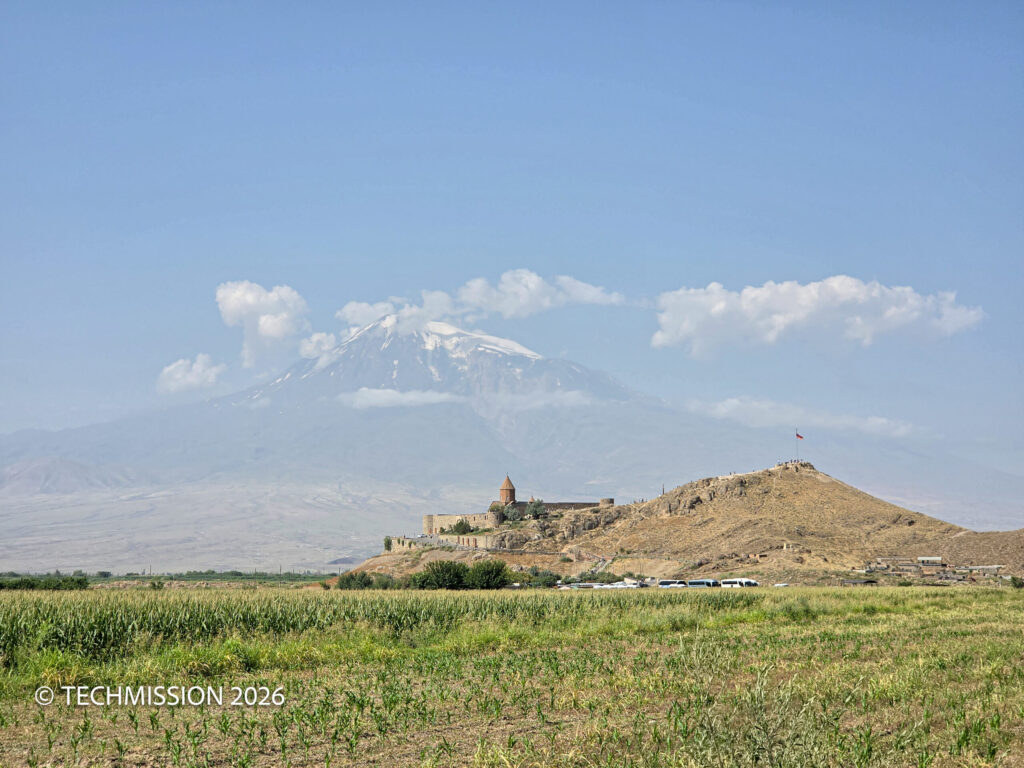
Rich colour without depending on excessive sharpening
A travel camera needs to handle much more than landscapes. During one day, it may photograph people, food, architecture, blue skies, stone surfaces and streets under constantly changing light.
What I liked about the Fold8 Ultra’s photographs was their immediate presence. Colours looked rich and detail was clear, but the images did not rely entirely on aggressive sharpening to attract attention.
Skin tone reproduction was particularly important to me. I am less concerned with whether a face appears slightly brighter or darker as the light changes than with whether the skin remains natural and convincing.
The Fold8 Ultra handled scenes containing both strong sunlight and shadow well. It also maintained a good balance between the subject and a bright background, rather than protecting one at the complete expense of the other.
As with any phone, processing decisions remain part of the visual character. Photographers who prefer a deliberately muted or neutral image may still want to make adjustments. For pictures intended to be reviewed and shared quickly, however, the default rendering is effective and visually appealing.
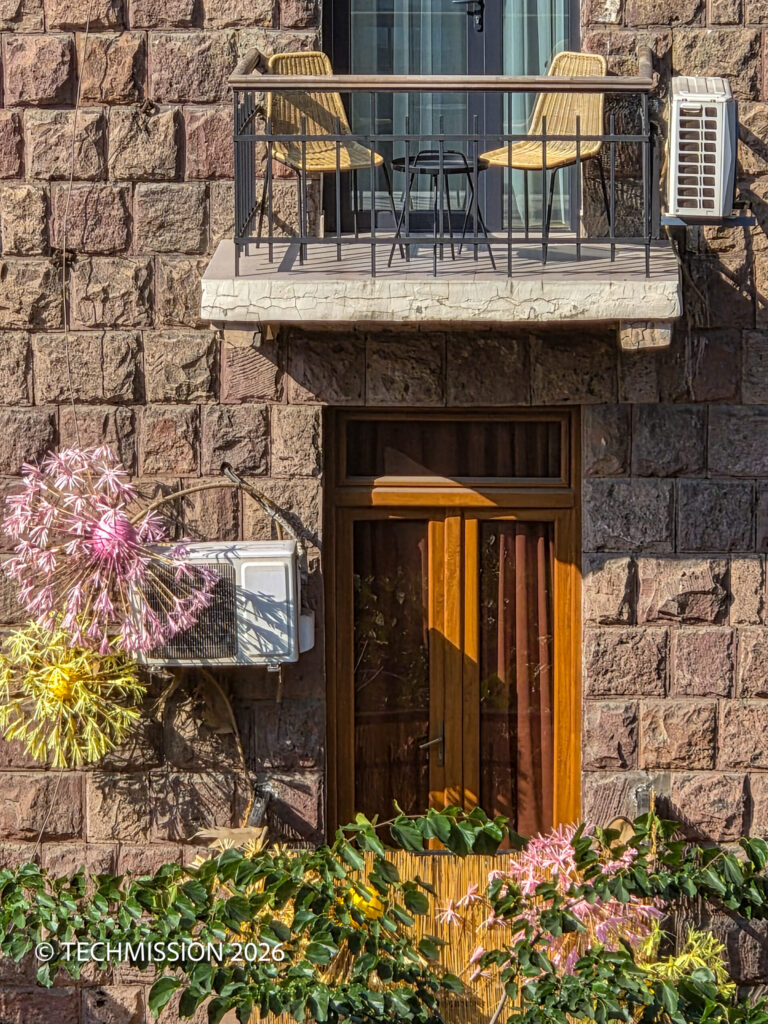
The 50MP ultra-wide is more than a secondary camera
One of the most useful upgrades for travel photography is the new 50MP ultra-wide camera. It serves two distinct purposes: capturing a broader view and photographing close details through its macro capability.
An ultra-wide camera is not an occasional novelty when travelling. It is often the only way to show the scale of a location from a confined position or to fit architecture into the frame when there is no room to step backwards.
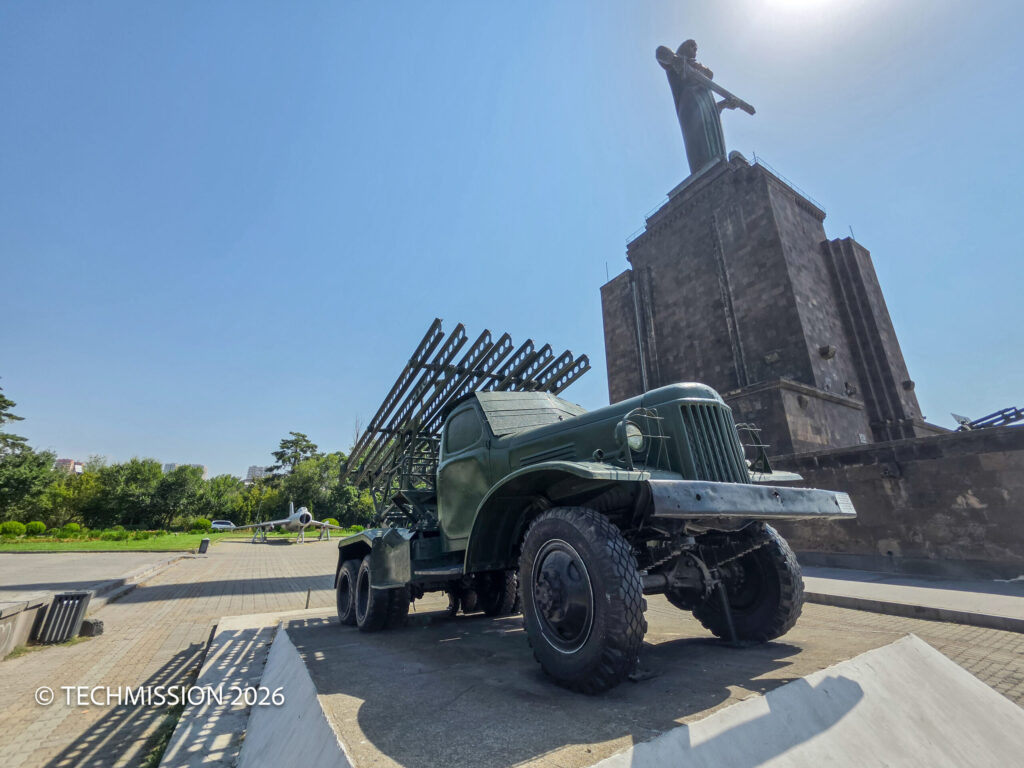
I had an excellent opportunity to test it at an exhibition of historic Soviet military equipment in Yerevan. The wider perspective made it possible to communicate more of the space and the scale of the exhibits.
The increase to 50MP also means this camera feels like a serious part of the system rather than a low-resolution addition included simply to complete the camera list. In good light, it produced detailed, convincing photographs.
The real test of any ultra-wide lens is not just the centre of the image but its edges. Some perspective stretching is inherent to this type of camera and can even contribute to the visual energy of a wide photograph. More importantly, sharpness and contrast remained impressively consistent away from the centre.
Macro capability gives the same camera an entirely different role. Instead of photographing the whole destination, you can move closer and isolate the textures of wood, flowers, stone or another small detail that helps tell the story of a place.
This combination makes the ultra-wide camera particularly useful. It can move from the largest view in a travel story to one of its smallest details.
What about the telephoto camera?
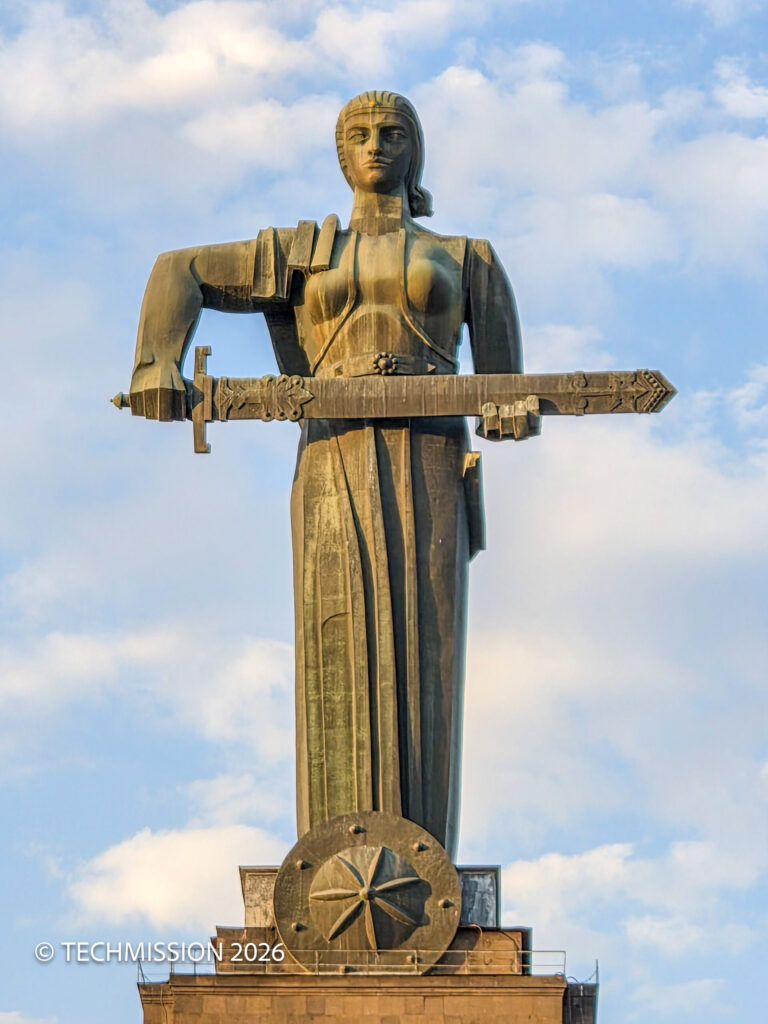
The telephoto camera is not presented as the headline upgrade of this generation, but I was pleased with the results I captured.
A telephoto camera is valuable in travel photography because it does more than make distant subjects appear closer. It can simplify a busy scene, isolate architectural details and create a more compressed perspective than the main or ultra-wide cameras.
The Fold8 Ultra’s main improvements may lie elsewhere, but the telephoto remains an important part of the overall system. In practice, it contributed useful and convincing images rather than feeling like a weak link between the two higher-resolution cameras.
Nightography that still looks like night
Night photography is one of the most difficult tests for any phone. Samsung says Nightography has improved for both photographs and video, but a successful night image should not simply be as bright as possible.
I do not want a camera to turn night into day. I want it to preserve the darkness and atmosphere of the scene while still providing useful detail, colour and sharpness. Noise reduction should not erase the character of the photograph or turn every surface into something unnaturally smooth.
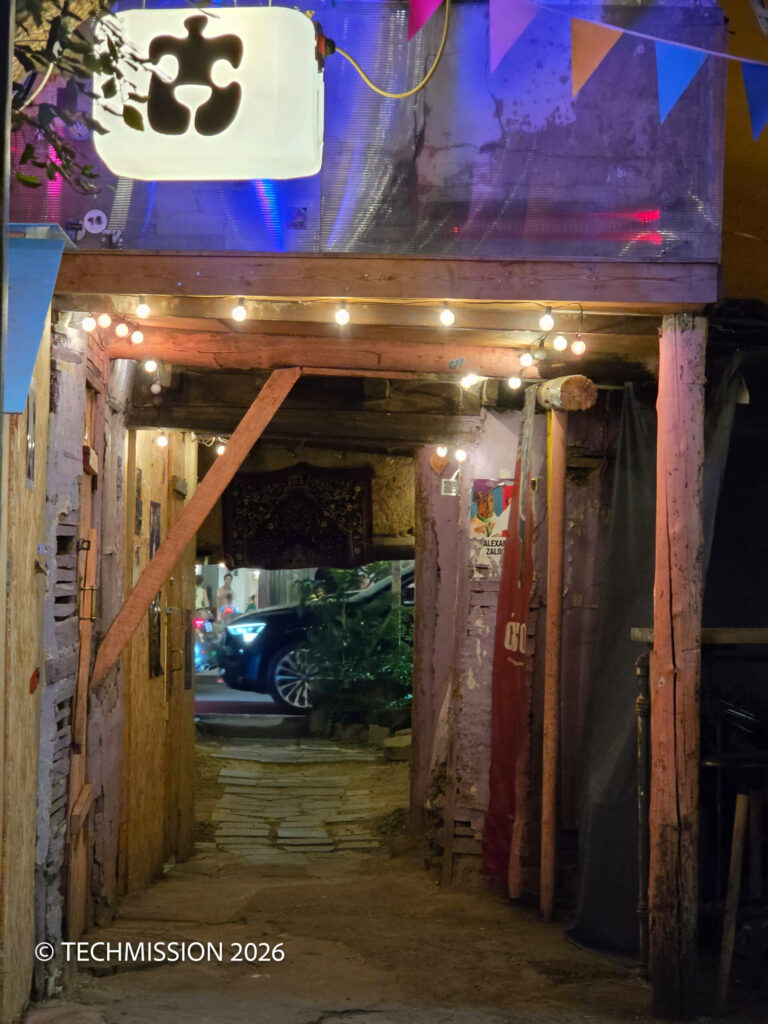
My night scenes in Armenia included street lighting, illuminated shopfronts, dark skies and occasional movement within the frame—a difficult combination for computational photography.
The results were among the most pleasant surprises of the trip. Images remained clean and bright enough to reveal the necessary information, but they still felt as though they had been photographed at night.
That balance is more valuable than a photograph that looks spectacular for one second before closer inspection reveals smeared detail and artificial-looking light.
Is 8K APV video genuinely useful?
For content creators, the Fold8 Ultra’s video features may be as significant as its photographic upgrades. It can record 8K video using Samsung’s APV codec, which is aimed at users who want greater image quality and flexibility in post-production.
The practical purpose of 8K is not simply to place a larger number on the product page. It gives editors more detail to work with when cropping, reframing or producing a lower-resolution final video.
That is useful during travel because a scene cannot always be repeated. You might record a wide composition and later discover that the most interesting part of the story was happening within a much smaller area of the frame.
However, 8K is not the ideal setting for every second of a trip. The files are larger, editing is more demanding, and sustained high-resolution recording can place greater pressure on battery life and heat management.
This is why the Fold8 Ultra’s 5,000mAh battery, 45W dual-path charging and expanded graphite cooling structure are relevant to its camera performance. Recording high-resolution video, using the 8-inch display and beginning an edit on the phone can push the whole device, not just its camera module.
In the footage I recorded, I found attractive colour, rich detail and effective stabilisation. More importantly, the files gave me room to work comfortably after recording.
APV can also be used with LOG video, providing greater flexibility when colour grading and balancing highlights and shadows. For creators who want more control over the final look, this moves the Fold8 Ultra closer to a compact production tool than a conventional point-and-shoot phone.
Dual Recording and My FanCam expand the creator toolkit
Dual Recording lets you film the event and your reaction at the same time. This is particularly useful for travel videos and vlogging because it preserves your response while the moment is happening, instead of forcing you to reconstruct it afterwards.
My FanCam works differently. You select a person within the scene, and the software tracks that subject and automatically reframes the video around them.
Neither feature is exclusive to the Ultra model; they are also available on the Galaxy Z Fold8 and Galaxy Z Flip8. The advantage of the Fold8 Ultra is that it combines these tools with the stronger camera system and a much larger workspace.
The internal display again becomes a hidden camera upgrade. With the large screen and Snapdragon 8 Elite Gen 5 for Galaxy processor, you can move directly from recording into reviewing, colour work and editing without immediately transferring the project to another device.
Samsung is therefore treating the Fold8 Ultra as more than a collection of cameras. It is presenting it as a complete mobile workflow: capture, review, colour, edit and publish from one device.
TECHMISSION Recommends
Where to Buy the Samsung Galaxy Z Fold8 Ultra
Some links are affiliate links — TECHMISSION may earn a commission at no extra cost to you. See our affiliate disclosure.
Verdict: is the Galaxy Z Fold8 Ultra a true Ultra camera?
Yes. The Samsung Galaxy Z Fold8 Ultra delivers both the camera hardware and the real-world performance needed to justify the Ultra name.
Its 200MP main camera is especially valuable for detailed landscapes and architecture, while HDR support in the highest-resolution mode makes those large files more useful. The 50MP ultra-wide camera is a substantial upgrade for travel, and its macro capability adds another way to tell the story of a location.
Night performance preserves atmosphere instead of simply making everything brighter. For video creators, 8K APV recording, LOG support and the large internal display create a more complete production workflow than most phones can offer.
There are still sensible limits. I would not use 200MP or 8K for every photograph or clip, and the most demanding recording formats bring larger files and heavier processing. Those modes are tools to use deliberately, not defaults that automatically improve every result.
What has changed is the central compromise. The Fold8 Ultra provides the productivity and large-screen experience that make a foldable attractive without asking me to sacrifice the camera performance I expect from Samsung’s top tier.
After using it as my travel camera in Armenia, I no longer see the camera as a secondary feature of the Fold. On the Galaxy Z Fold8 Ultra, it is one of the main reasons to choose the phone.