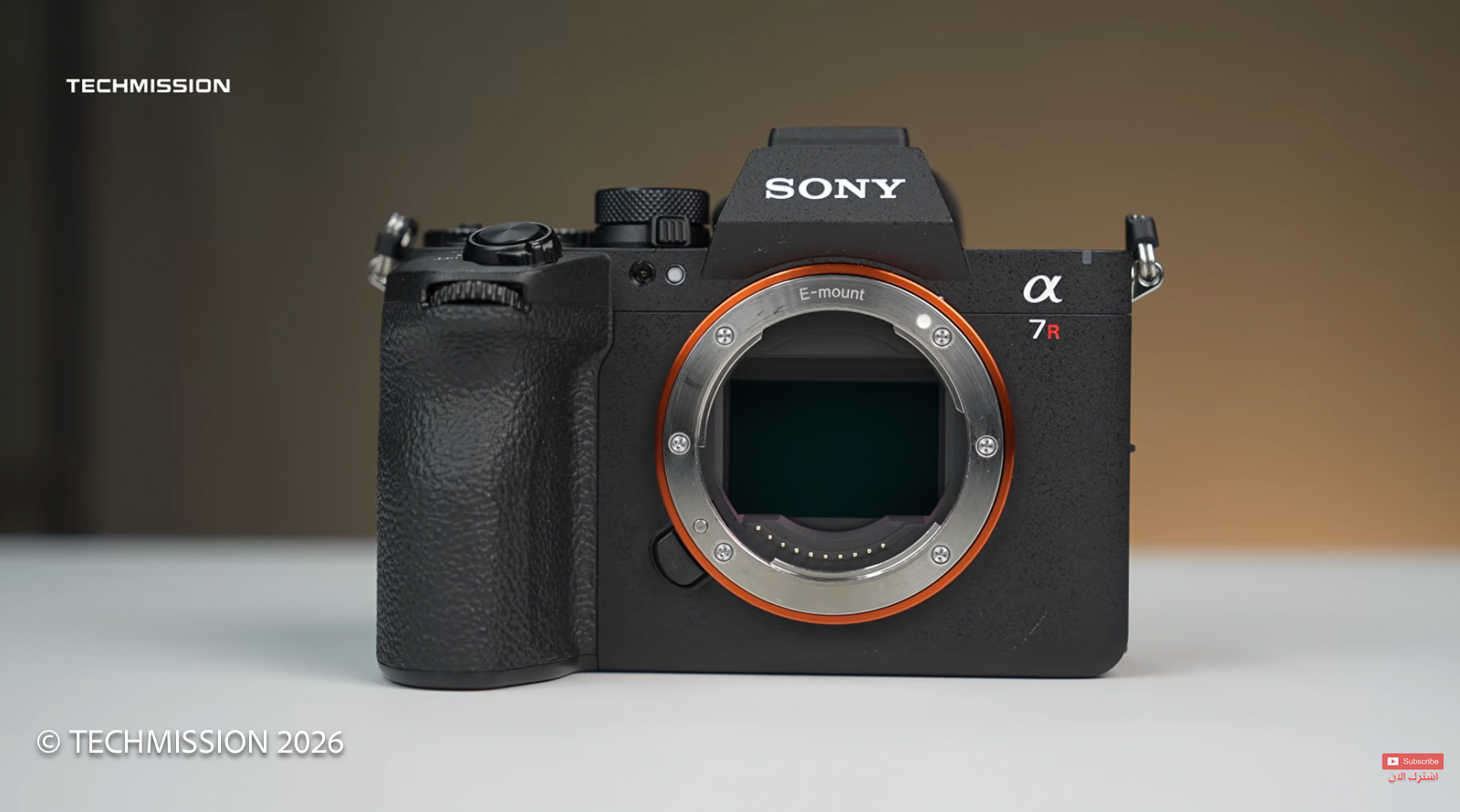
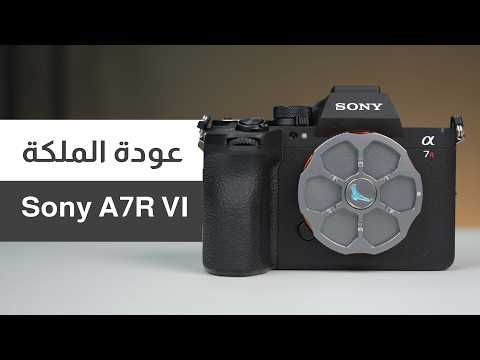
Sony A7R VI Review: The Most Demanding Full-Frame Camera Ever Made
There are cameras that make photography easier. Then there are cameras that demand more from the photographer.
The Sony A7R VI firmly belongs to the second category.
This is not a camera that will magically improve your work simply because it carries a 66.8-megapixel sensor. In fact, it can expose weaknesses in your technique, your lighting, your lenses, and even your post-processing workflow. But if you are willing to meet its demands, it rewards you with image quality that pushes full-frame photography into territory that, until recently, belonged almost exclusively to medium format.
After extensive testing in both controlled studio environments and real-world outdoor shooting, one thing became abundantly clear: the Sony A7R VI is arguably the most technically capable high-resolution full-frame camera ever produced.
A Camera That Demands Excellence
One of the biggest misconceptions surrounding high-resolution cameras is that they are simply “better.”
They are not.
High resolution amplifies everything—including mistakes.
Slight focus errors become obvious. Lens imperfections become visible. Minor camera shake that would go unnoticed on a 24MP sensor suddenly appears in full detail. Even lighting quality becomes significantly more important.
That is why the A7R series has always been aimed at photographers who build images rather than simply capture moments.
- Studio photographers.
- Commercial photographers.
- Landscape specialists.
- Fine art photographers.
- Product photographers.
- Anyone whose workflow revolves around extracting every possible pixel from a scene.
For casual travel photography, family documentation, or fast-paced event work, there are easier cameras to live with. The A7R VI expects commitment.

The New 66.8MP Stacked Sensor Changes Everything
The headline feature is obvious.
Sony has replaced the previous 61MP sensor with a completely redesigned 66.8-megapixel stacked full-frame CMOS sensor.
The increase in resolution alone would already be impressive.
The stacked architecture is what truly transforms the camera.
Unlike conventional backside-illuminated sensors, stacked sensors include an additional high-speed memory layer that dramatically accelerates data readout. Faster readout reduces rolling shutter, enables significantly higher burst speeds, and improves overall responsiveness throughout the camera.
It effectively gives the sensor a much faster pipeline for moving enormous amounts of image data.
For years, photographers had to choose between resolution and speed.
The A7R VI narrows that gap dramatically.
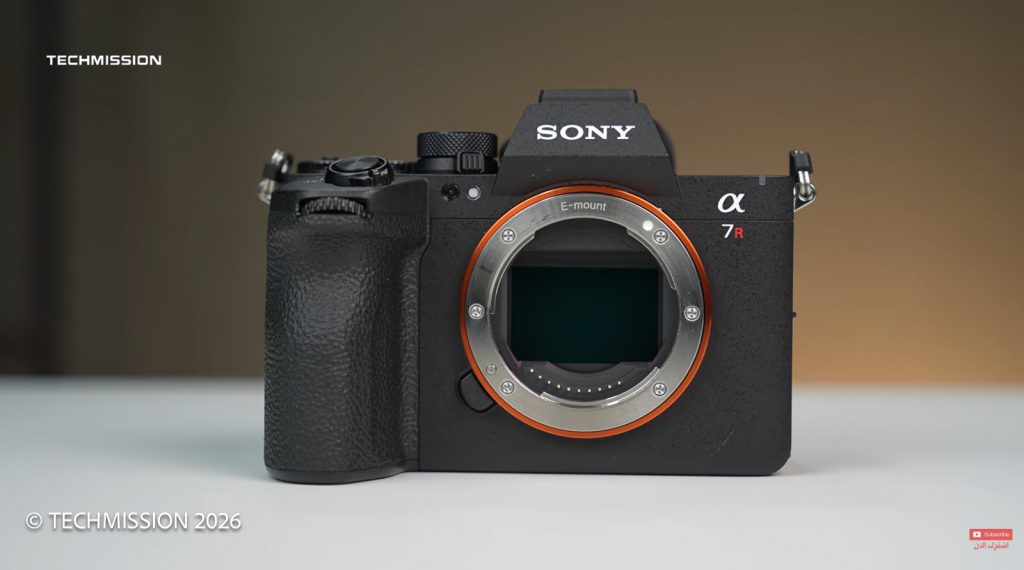
30 Frames Per Second at Nearly 67 Megapixels
This may be the most astonishing specification of the entire camera.
The A7R VI can shoot 30 frames per second using its electronic shutter while recording enormous 66.8MP files.
That would have sounded impossible only a few years ago.
Of course, physics still applies.
Files this large fill the camera’s buffer much faster than those from the Sony Alpha 1 II. While both cameras reach 30 fps, the Alpha 1 II can sustain longer continuous bursts because its approximately 50MP files require substantially less bandwidth.
This distinction matters.
If your work involves prolonged sports sequences or wildlife bursts, the Alpha 1 II still maintains the advantage.
But if your priority is extracting maximum detail while retaining exceptional speed, the A7R VI stands alone.
Resolution That Changes How You Compose
High resolution is often discussed in abstract numbers.
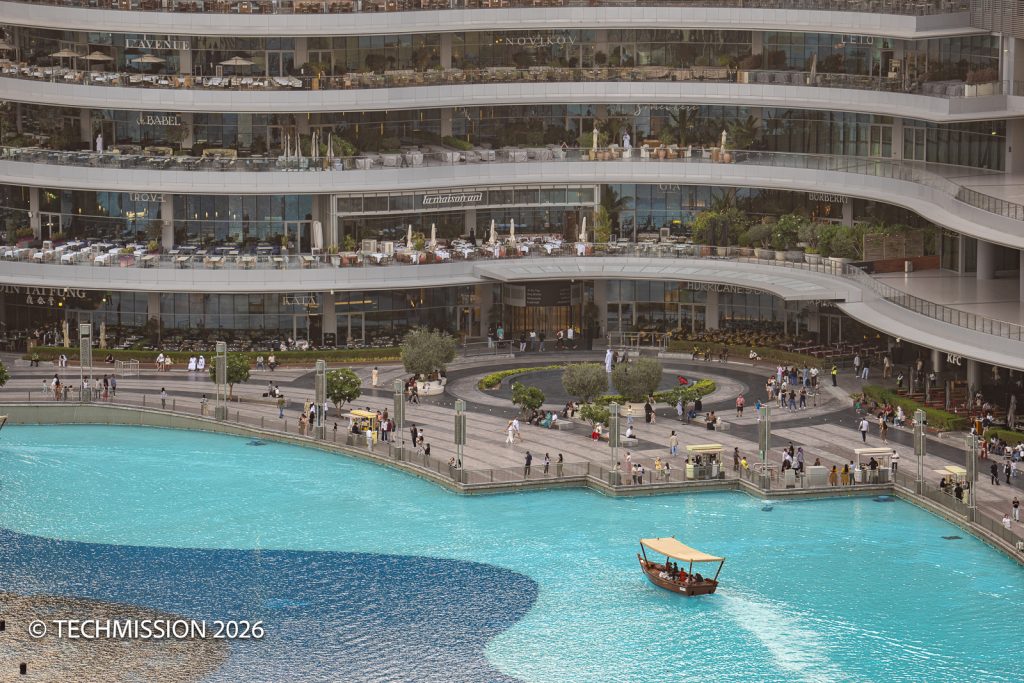
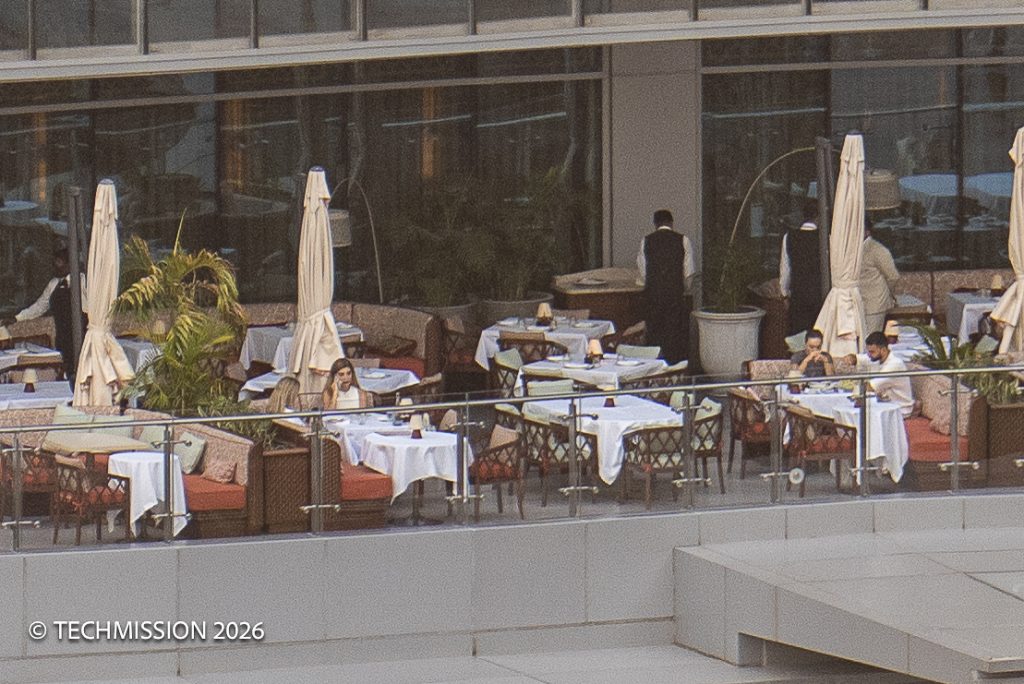
Its real advantage becomes obvious only when you start cropping.
During testing, aggressive crops retained remarkable detail, producing images that remained highly usable without relying on AI upscaling or software tricks.
This fundamentally changes how photographers can work.
Need additional reach from a prime lens?
Crop.
Need multiple compositions from one frame?
Crop.
Need extra flexibility for magazine layouts or commercial clients?
Crop.
The sensor simply gives you more creative freedom after the shutter is pressed.
Pixel Shift Reaches Medium Format Territory
If 66.8 megapixels somehow isn’t enough, Sony includes Pixel Shift Multi Shooting.
By combining multiple precisely shifted exposures, the camera can generate images approaching 265 megapixels.
This feature obviously requires completely static subjects and a controlled workflow, making it unsuitable for everyday photography.
But for artwork reproduction, museum documentation, product photography, architecture, and certain commercial applications, the level of detail becomes extraordinary.
Few photographers will use it regularly.
Those who need it will struggle to find an equivalent in the full-frame world.
Dynamic Range That Lets You Recover Almost Everything
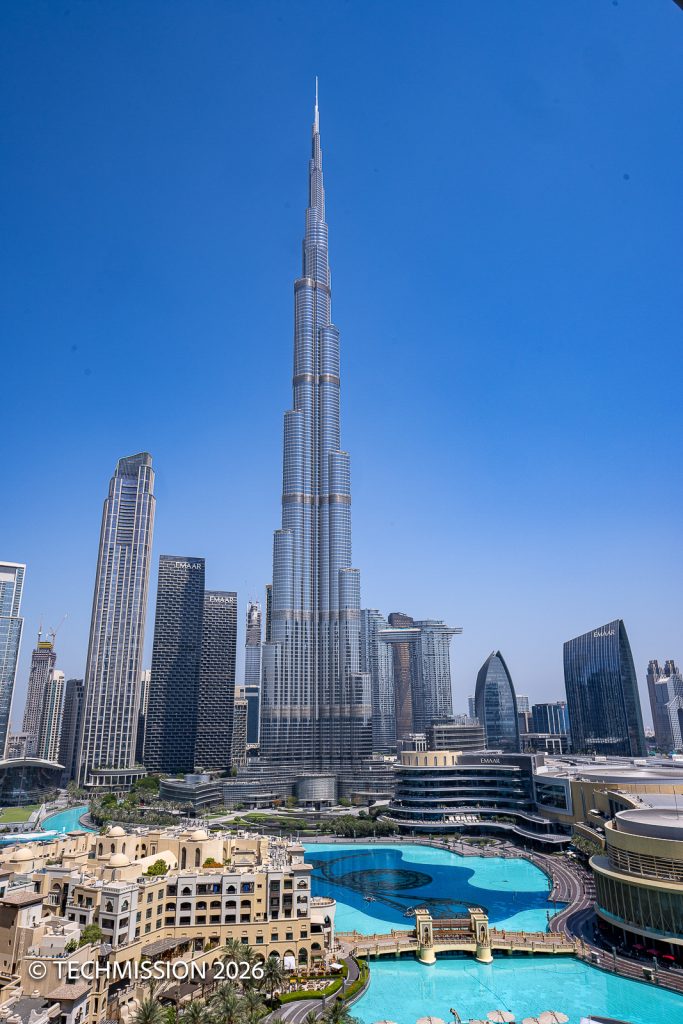
Sony rates the camera at up to 16 stops of dynamic range, and while laboratory measurements tell only part of the story, real-world shooting proved exceptionally forgiving.
Shadow recovery is impressive.
Highlight retention remains excellent.
Images tolerate extensive grading before falling apart.
This becomes especially valuable for landscape photographers shooting high-contrast sunrise and sunset scenes, as well as commercial photographers working with complex studio lighting.
Combined with the enormous resolution, the files feel remarkably robust in post-production.
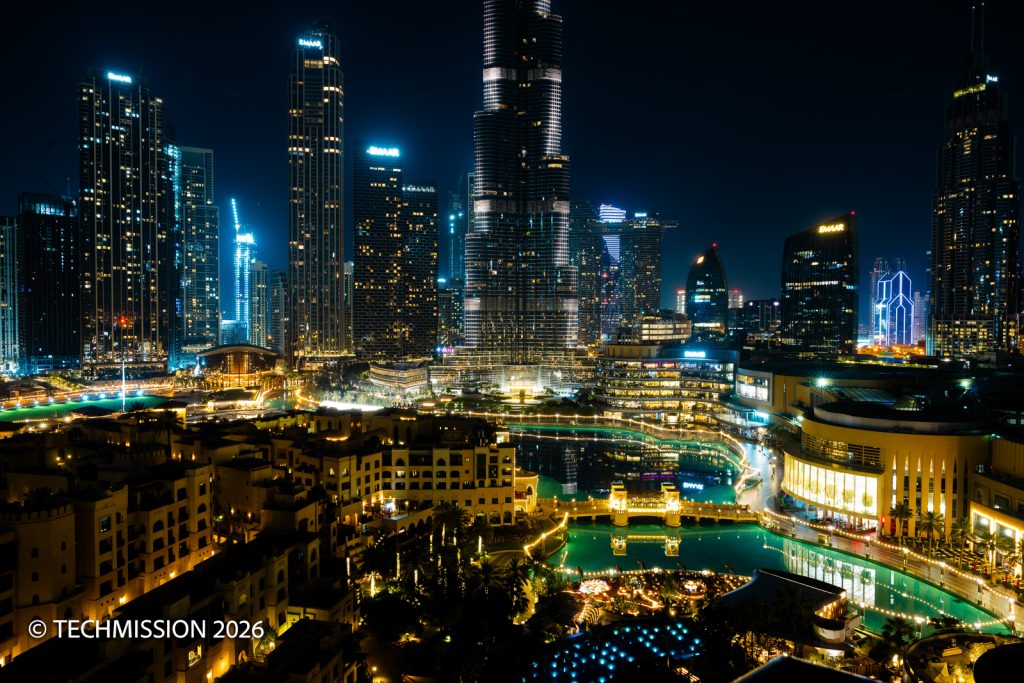
Surprisingly Strong Low-Light Performance
Traditionally, increasing pixel density comes at the expense of low-light performance.
Sony has largely avoided that compromise.
Despite carrying the highest-resolution full-frame sensor currently available, the A7R VI delivers low-light performance that is genuinely impressive for its class.
Noise remains well controlled, colours stay consistent, and dynamic range holds together even at elevated ISO settings.
No, it won’t outperform cameras built around much lower resolutions.
But relative to its own pixel count, its performance is exceptional.
A New Processing Architecture
Sony’s new BIONZ XR2 processor represents another significant evolution.
Previous generations relied on separate processors handling image processing and AI autofocus functions independently.
The new architecture integrates these capabilities into a single processing platform, improving efficiency throughout the camera.
The result is a noticeably faster and more responsive shooting experience.
Menus respond instantly.
Playback feels quicker.
Overall operation simply feels more refined.
Autofocus That Rarely Misses
Sony’s autofocus system was already among the industry’s best.
The A7R VI builds on that reputation.
Subject recognition is exceptionally reliable.
Tracking remains locked even during challenging movement.
Eye detection continues performing with remarkable consistency across people, animals, birds, and other recognised subjects.
Perhaps more importantly, autofocus accuracy finally matches the extraordinary demands of a nearly 67MP sensor.
At this level of resolution, even tiny focus errors become visible.
The autofocus system rises to the challenge.

Video Is Better Than You Might Expect
Although the A7R VI is clearly designed around still photography, video capabilities are far from an afterthought.
The immense sensor resolution allows high-quality oversampled 4K recording, while 8K recording provides additional flexibility for professional productions.
This is not Sony’s flagship cinema camera.
Nor is it intended to replace the Alpha 1 II for hybrid professionals.
But for photographers who increasingly produce commercial video alongside stills, the camera delivers more than enough capability for demanding professional work.
The Lens Matters More Than Ever
Buying the A7R VI is only half the investment.
To exploit nearly 67 megapixels, lenses must be capable of resolving extraordinary levels of detail.
Many excellent third-party lenses remain excellent.
But not all of them can fully exploit this sensor.
Sony’s G Master series is clearly designed with cameras like this in mind, while selected Sigma Art lenses also perform exceptionally well.
This is not the camera to pair with mediocre glass.
Doing so leaves much of its potential untapped.
Who Should Buy the Sony A7R VI?
Buy it if
- You shoot commercial, advertising, studio, landscape, architecture, product, or fine-art photography.
- You routinely crop heavily.
- You demand maximum image quality.
- You already own—or intend to invest in—premium lenses.
- You enjoy building images rather than simply documenting moments.
Skip it if
- You mainly shoot family photos, travel, events, or casual content.
- You prioritise file size, storage efficiency, and editing speed.
- You rely on budget lenses.
- Your work benefits more from sustained burst shooting than maximum resolution.
- You won’t fully utilise what nearly 67 megapixels can offer.
TECHMISSION Recommends
Where to Buy the Sony A7R VI
Some links are affiliate links — TECHMISSION may earn a commission at no extra cost to you. See our affiliate disclosure.
Final Verdict
Sony didn’t simply increase the megapixel count.
It fundamentally redefined what a high-resolution full-frame camera can be.
For years, photographers accepted a trade-off: resolution or speed.
The Sony A7R VI challenges that assumption with a combination of an all-new stacked sensor, remarkable autofocus, class-leading dynamic range, impressive low-light performance, and burst shooting previously reserved for much lower-resolution cameras.
But its greatest strength is also its greatest warning.
This camera does not flatter poor technique.
It rewards precision.
It rewards patience.
It rewards photographers who are willing to build the entire imaging pipeline—from lighting and lenses to editing—around extracting every last pixel of quality.
If that describes your workflow, the Sony A7R VI is not merely another upgrade.
It is one of the most extraordinary full-frame cameras ever built.