Sonos Ace Review: A Serious New Challenger in Premium Headphones
For years, the premium wireless headphone market has been remarkably predictable. Sony’s WH-1000X series and Bose’s QuietComfort lineup have dominated nearly every buying recommendation, while Apple’s AirPods Max have appealed primarily to users invested in the Apple ecosystem.
The Sonos Ace changes that conversation.
As Sonos’ first pair of over-ear headphones, the Ace enters an extremely competitive category with high expectations. Fortunately, it doesn’t feel like a company’s first attempt. Instead, it feels like a mature product that confidently challenges some of the industry’s best.

Design: Premium Without Showing Off
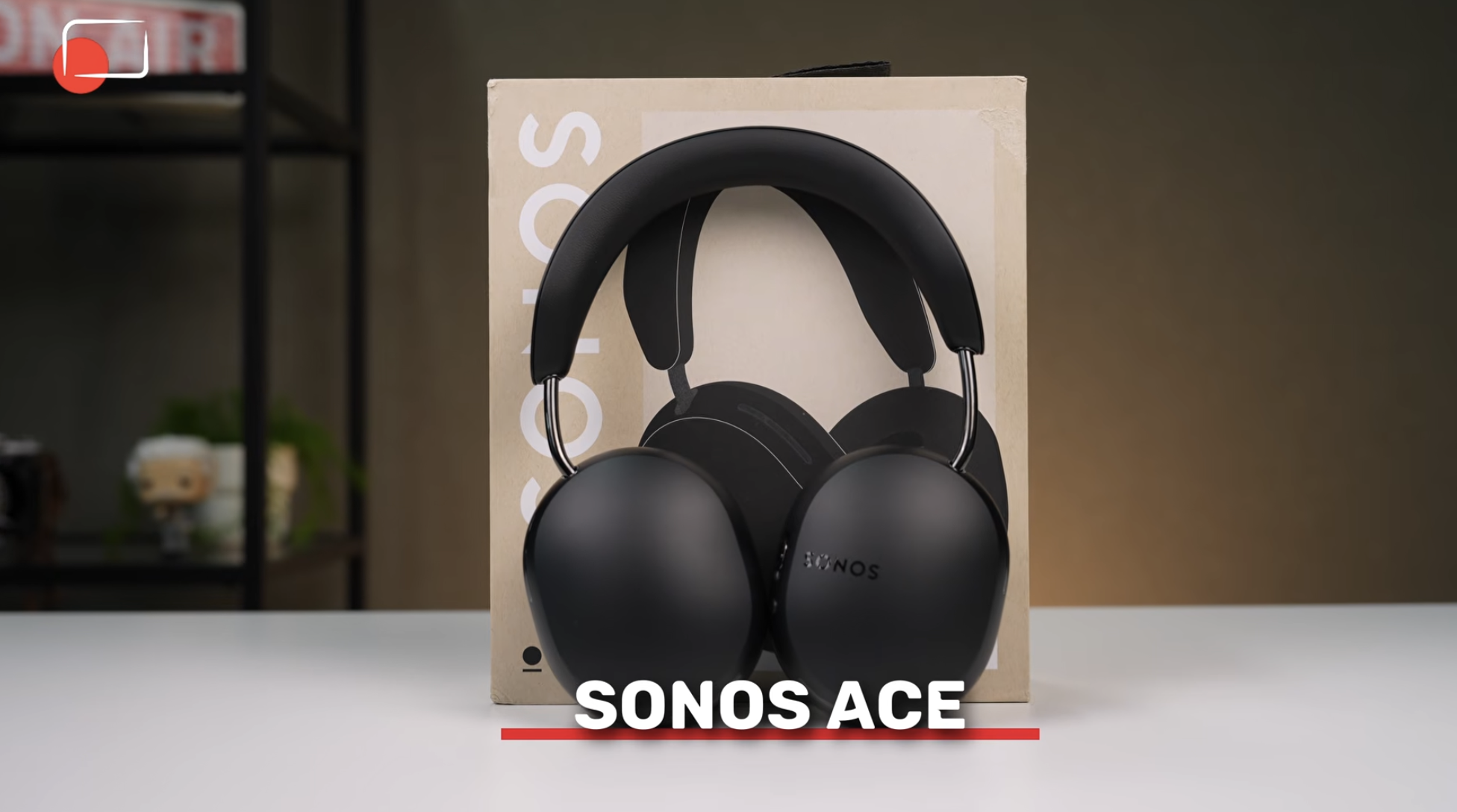
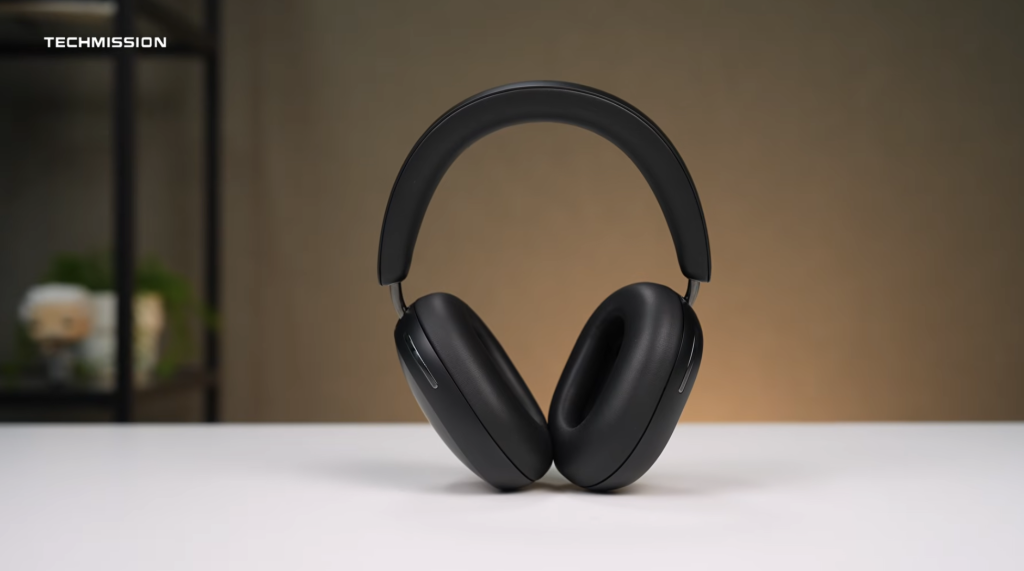
If there is one aspect that immediately stands out, it is the design.
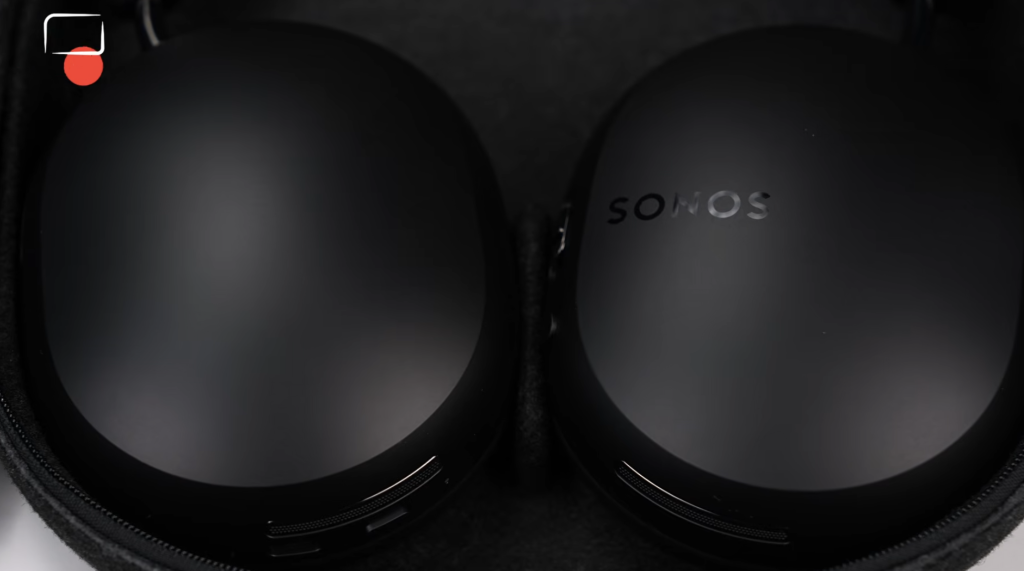
Sonos has adopted a clean, minimalist approach that feels elegant rather than flashy. There are no unnecessary design elements, oversized logos, or aggressive styling cues. Everything serves a purpose.
Although the headphones are primarily constructed from high-quality plastic, they never feel cheap. On the contrary, the material choice keeps the headphones lightweight and comfortable during long listening sessions while maintaining an unmistakably premium feel. The metal yokes add rigidity and visual sophistication, complementing the understated design beautifully.
Comfort is excellent overall. The headband distributes weight evenly, and the ear cushions are soft enough for extended listening sessions. My only minor observation is that listeners with larger ears may occasionally wish the ear cups were slightly deeper. It is far from a deal-breaker, but worth mentioning.
A thoughtful touch is the use of different colours inside each ear cup, making it immediately obvious which side is left and which is right.
The ear cushions are also magnetically attached, making removal and replacement quick and effortless.
Physical Controls Done Right
Many manufacturers have embraced touch gestures, and while they can work well, I still appreciate properly designed physical buttons.
Sonos gets this exactly right.
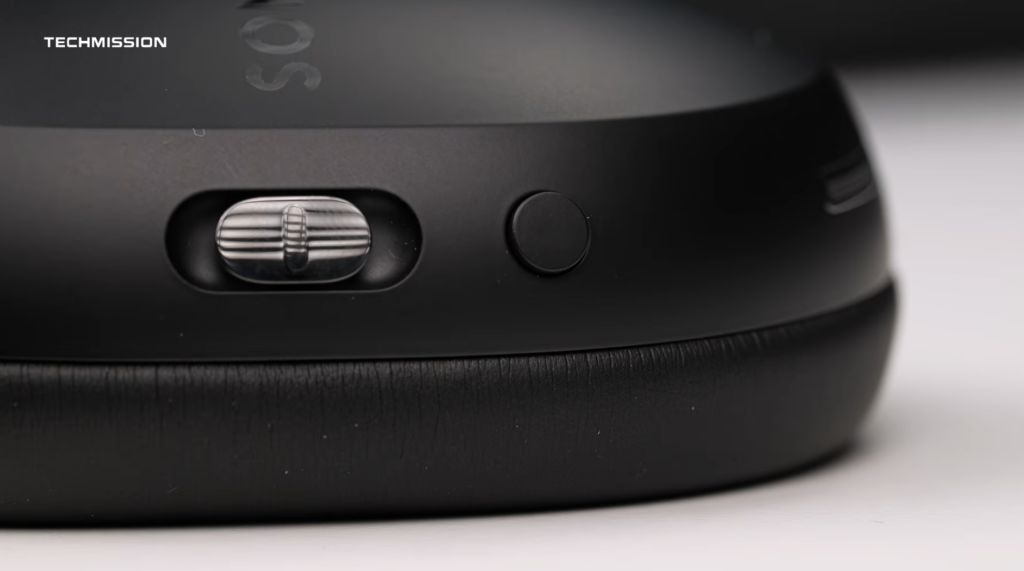
The power and Bluetooth pairing button is positioned on the left ear cup, while the right side houses the noise cancellation control and Sonos’ unique Content Key.
This multifunction control combines a button with a sliding mechanism. A single press handles playback, multiple presses control track navigation, while sliding adjusts volume. It feels intuitive, tactile and precise, especially when compared to touch-sensitive surfaces that can sometimes register accidental inputs.
It is one of my favourite control systems on any premium headphone.
Practical Accessories
The carrying case matches the headphones’ premium positioning with excellent materials and thoughtful organisation.
Inside the case, Sonos includes both USB-C to USB-C and USB-C to 3.5 mm cables. This allows wired playback on modern computers as well as older audio devices or in-flight entertainment systems.
Everything stores neatly inside the case using magnetic retention, reinforcing the attention to detail throughout the product.
Connectivity and Battery Life
The Sonos Ace supports aptX for compatible Android devices, allowing higher-quality Bluetooth audio than standard codecs. If your smartphone supports aptX, you will enjoy one of the best wireless audio experiences currently available.
iPhone users naturally fall back to AAC due to Apple’s codec limitations, but sound quality remains excellent.
Battery life is rated at approximately 40 hours with Active Noise Cancellation enabled, which proved more than sufficient during testing. Multipoint Bluetooth connectivity also allows seamless switching between multiple connected devices.
Sound Quality: The Sonos Way
This is where the Sonos Ace earns its place among the industry’s best.
The 40 mm custom-designed drivers deliver outstanding sound quality across the frequency spectrum. Bass is controlled and authoritative without becoming overwhelming. Midrange reproduction is clean and detailed, while treble remains crisp without sounding harsh.
Comparing the Ace directly with Sony’s WH-1000XM6, both headphones deliver reference-level performance, but they present music differently. Sony’s tuning still matches my personal taste slightly better, but that is exactly that—a matter of preference rather than superiority.
The important point is that the Sonos Ace belongs in the same league.
It receives an almost perfect score for audio performance, something I rarely say about headphones.
The Sonos App: Impressively Simple
One aspect I genuinely appreciated was the Sonos app.
Many headphone applications attempt to do too much, filling menus with features that most users rarely touch. Sonos takes the opposite approach, delivering a clean and straightforward interface focused on the essentials.
However, simplicity should not come at the expense of flexibility.
The equaliser currently offers only basic Bass and Treble adjustments. While perfectly usable, I would have liked a fully featured multi-band EQ similar to what Sony, Bose and other competitors provide. Greater EQ control would allow users to tailor the sound signature much more precisely.
Active Noise Cancellation
Noise cancellation is outstanding.
Sony’s WH-1000XM6 remains my personal benchmark, and the Sonos Ace performs at essentially the same level in everyday use. Once activated, ambient noise virtually disappears, creating an immersive listening experience whether travelling or working.
Only very sharp, sudden transient sounds occasionally manage to slip through before the ANC system fully reacts, but this is a minor observation rather than a significant weakness.
For practical purposes, the Ace delivers top-tier active noise cancellation.
Transparency Mode
Transparency Mode is equally impressive.
External sounds are reproduced clearly enough to carry conversations or remain aware of your surroundings without removing the headphones.
While the reproduced audio still sounds slightly processed—as is the case with virtually every transparency system—it performs its intended job extremely well and is easy to activate using the dedicated hardware button.
One Missed Opportunity
If there is one area where I believe Sonos could have differentiated itself further, it is ecosystem integration.
Sonos is famous for its connected smart speakers and whole-home audio platform. The Ace feels somewhat isolated from that ecosystem.
I would love to see future generations integrate more deeply with the broader Sonos experience, bringing additional smart features that leverage the company’s expertise in connected audio rather than simply competing head-to-head with Sony and Bose.
That could become the defining advantage of a future Sonos Ace 2.
Buy It or Skip It?
Buy it if
The Sonos Ace is an easy recommendation for anyone looking for a premium pair of wireless headphones with outstanding sound quality, exceptional noise cancellation, luxurious design and one of the best physical control systems currently available. It confidently joins Sony and Bose among the best headphones you can buy.
Skip it if
At around $450, the Sonos Ace is firmly positioned in the premium category. If you already own Sony’s WH-1000XM5 or WH-1000XM6—or Bose’s latest flagship—you should not expect a dramatic leap in sound quality. Likewise, users who enjoy extensive equaliser customisation may find the current Sonos app somewhat limited.
TECHMISSION Recommends
Where to Buy the Sonos Ace
Some links are affiliate links — TECHMISSION may earn a commission at no extra cost to you. See our affiliate disclosure.
Final Verdict
For a company’s first attempt at premium headphones, the Sonos Ace is remarkably accomplished.
Its elegant industrial design, premium build quality, excellent comfort, reference-class sound, superb noise cancellation and refreshingly intuitive controls make it one of the strongest newcomers the category has seen in years.
The Sonos Ace does not reinvent premium headphones.
It simply executes almost everything exceptionally well—and that alone makes it worthy of serious consideration.