SIRUI Aurora 85mm F1.4 Review
A Portrait Lens That Prioritizes Character Over Clinical Perfection
Not every premium lens is designed to win laboratory tests.
Some are built to create photographs that simply feel more beautiful.
That is exactly where the SIRUI Aurora 85mm F1.4 stands apart. Instead of chasing absolute technical perfection, SIRUI has created a lens with a distinctive visual signature—one that favors atmosphere, creamy rendering, and artistic portraiture over pixel-peeping sharpness.
After extensive testing on Sony E-mount, one thing became very clear: this is a lens designed primarily for portrait and wedding photographers who value emotion more than MTF charts.
Specifications at a Glance
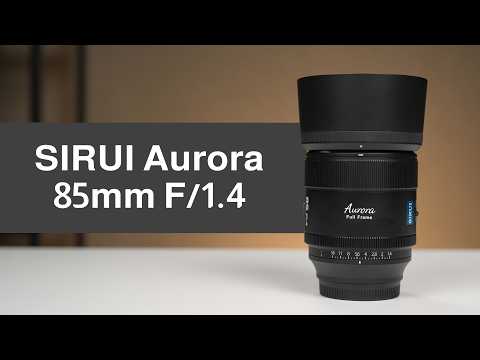
- Mount tested: Sony E
- Also available for Nikon Z and Fujifilm X
- Focal length: 85mm
- Maximum aperture: f/1.4
- Weight: 540g
- Filter thread: 67mm
- Optical construction: 14 elements in 9 groups
- Aperture blades: 15 rounded blades
- Minimum focus distance: 0.85m
- Weather sealing
- Fluorine-coated front element
- USB-C firmware update port
- Price: approximately $599 USD
At this price, the Aurora enters one of the most competitive categories in photography, facing lenses from Sony, Sigma, Samyang and Viltrox.
Why 85mm Is Still the Portrait King’s Choice
While many photographers—including myself—love shooting portraits with a 135mm lens, the reality is that 85mm remains the most practical portrait focal length.
For wedding photographers especially, it provides an ideal balance between compression and working distance.
You can comfortably shoot:
- Full-body portraits
- Half-body compositions
- Tight headshots
- Couples
- Bridal portraits
without constantly needing to move backwards.
Combined with an f/1.4 aperture, it also delivers the shallow depth of field that has made this focal length legendary.
This Lens Is About Personality
The first thing to understand is that the Aurora is not trying to become the sharpest 85mm lens on the market.
Sony’s FE 85mm F1.4 GM II still owns that title.
Instead, SIRUI intentionally delivers something different.
The Aurora has a rendering style that feels organic rather than clinical.
Images have a softness in the transitions, a pleasing microcontrast, and an almost cinematic separation between subject and background.
It is the kind of lens that encourages photographers to stop looking at charts and start looking at photographs.
Outstanding Background Separation
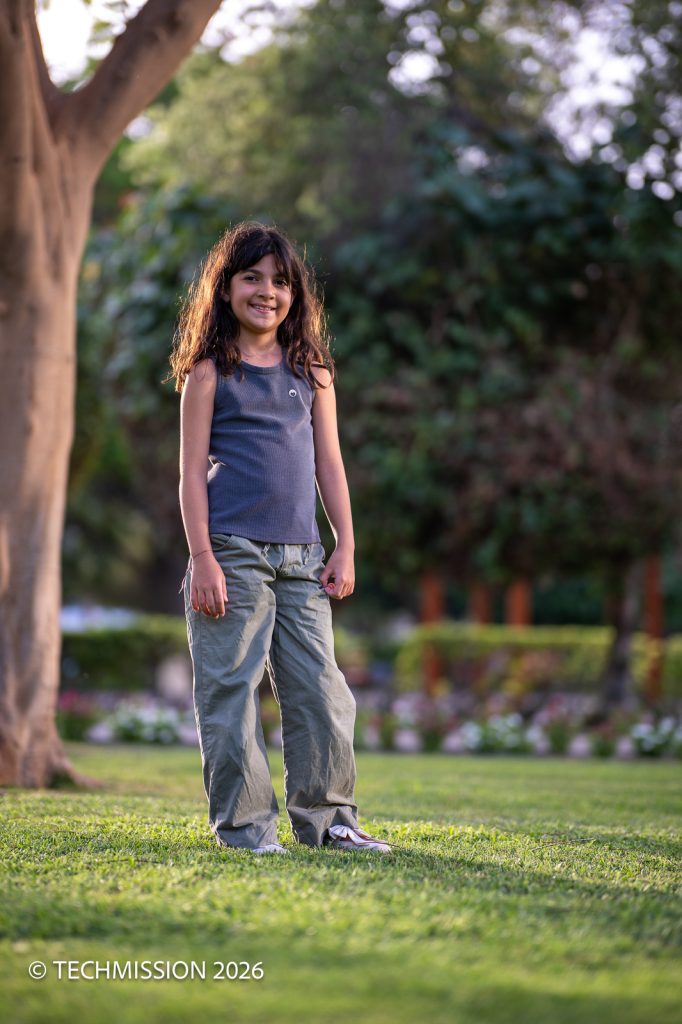
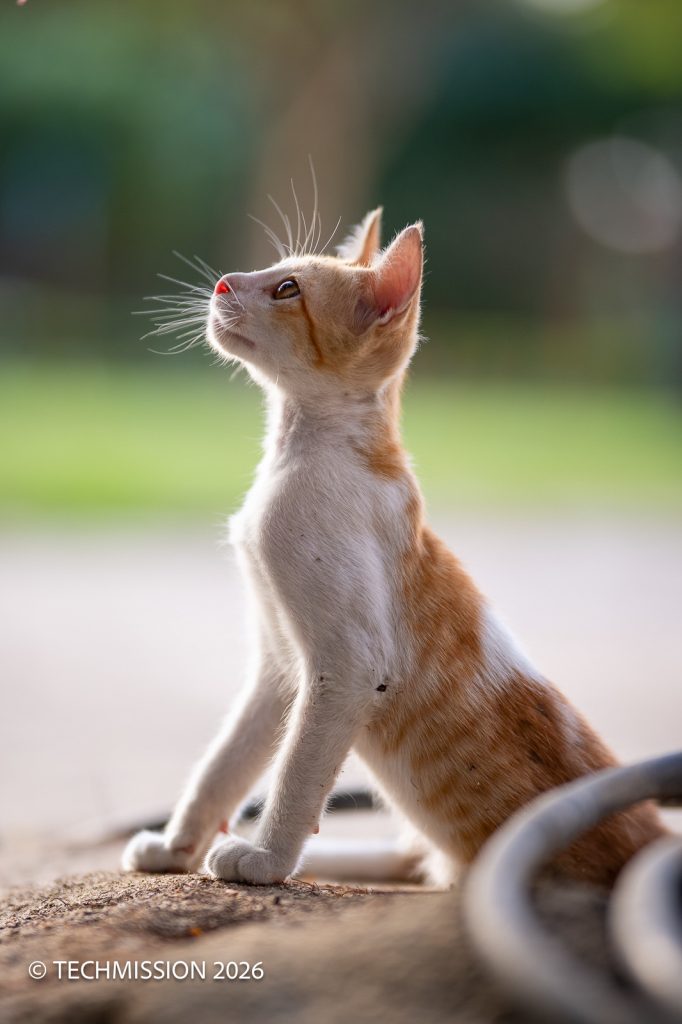
The Aurora’s biggest strength isn’t simply shallow depth of field.
It is how it renders that blur.
Its background separation is exceptional.
Instead of merely producing large bokeh circles, the lens transforms backgrounds into a smooth, creamy wash that naturally isolates the subject.
The 15-blade rounded aperture plays a major role here, producing remarkably circular highlights and exceptionally smooth blur transitions.
Among all the Sony-compatible 85mm lenses I’ve tested, this is easily one of the most attractive rendering styles available.
Build Quality
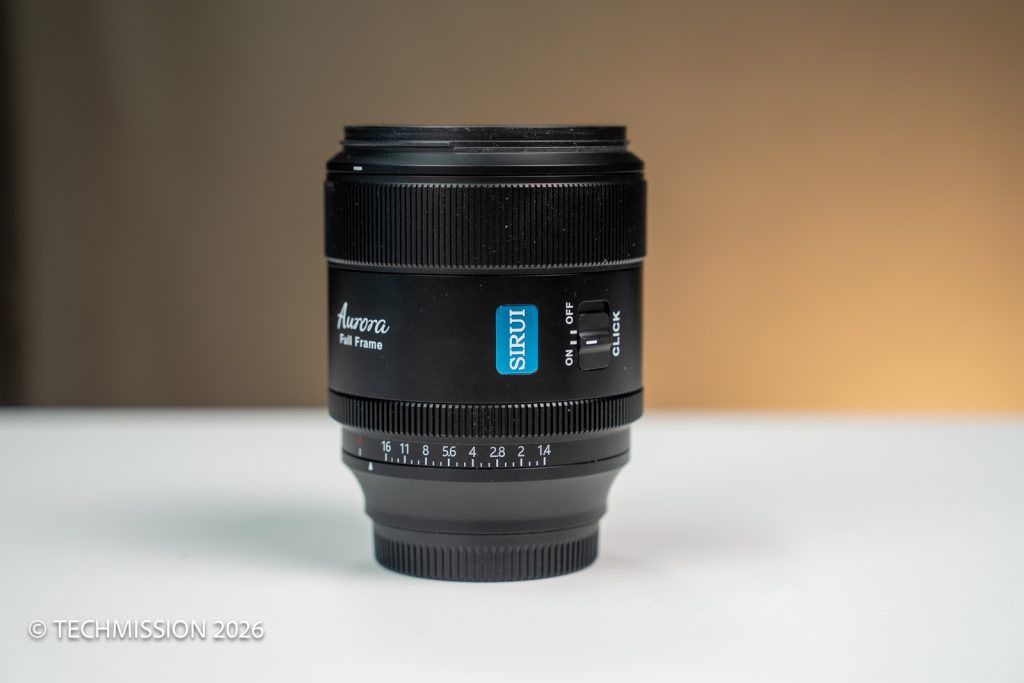
SIRUI has made significant progress in industrial design.
The Aurora feels premium from the moment you take it out of the box.
Highlights include:
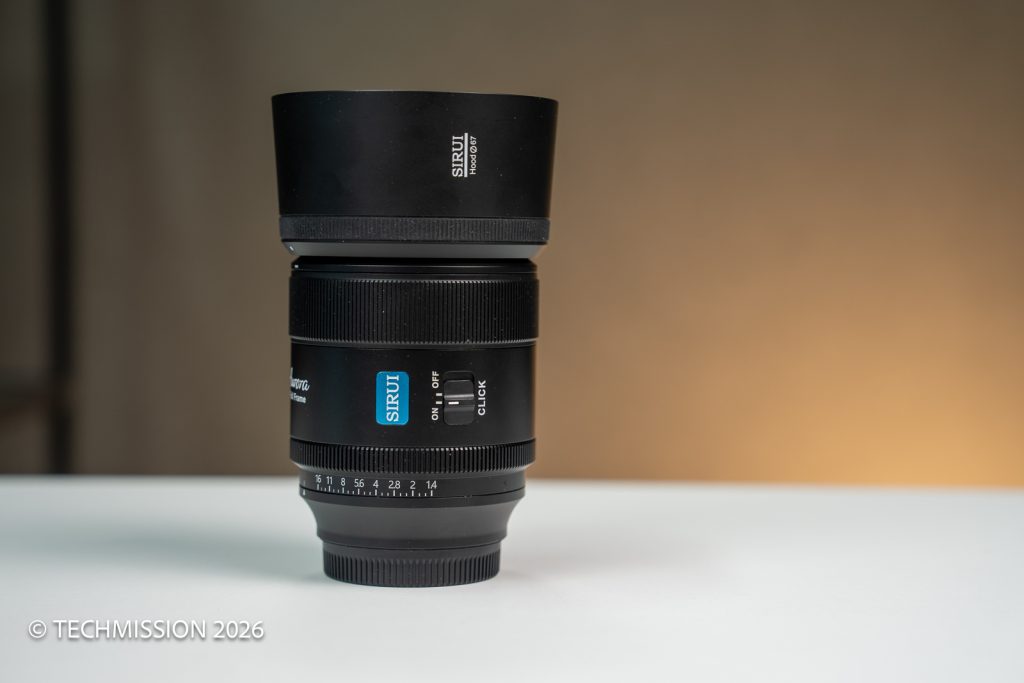
- Metal construction with aluminium alloy
- Weather sealing throughout the lens
- Fluorine-coated front element
- Rear weather gasket
- Metal lens mount
- Customizable function button
- AF/MF switch
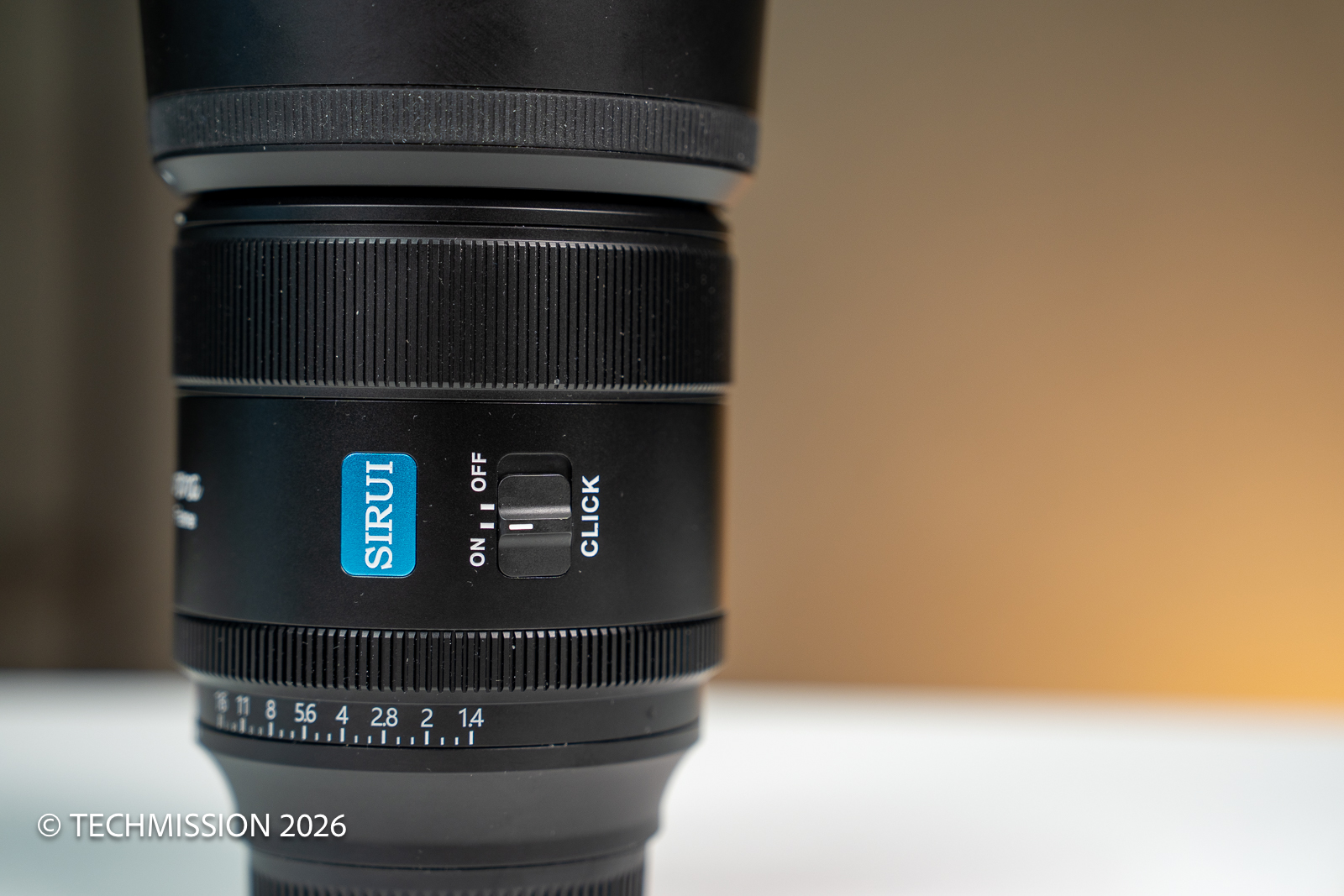
- Click/de-click aperture ring
- USB-C firmware updates
The presentation is equally impressive.
The packaging, carrying pouch, and overall finish give the lens a premium feel well above its asking price.
Surprisingly Compact
At only 540 grams, the Aurora is the second-lightest autofocus 85mm lens currently available for Sony E-mount.
Despite its compact size, SIRUI still managed to include weather sealing and a sophisticated optical design.
Even more impressive is the use of a relatively small 67mm filter thread, without introducing meaningful mechanical vignetting.
That is excellent optical engineering.
Autofocus Performance
The Aurora uses an STM stepping motor rather than a linear motor.
Normally that might raise concerns.
In practice, it doesn’t.
Autofocus proved:
- Fast
- Reliable
- Accurate
- Quiet
During portrait sessions, eye detection remained dependable and acquisition felt very confident.
Is it as impossibly fast as Sony’s GM II?
No.
The GM II almost feels predictive.
But for portrait and wedding photography, I never found the Aurora’s autofocus limiting.
The Most Important Discovery During Testing
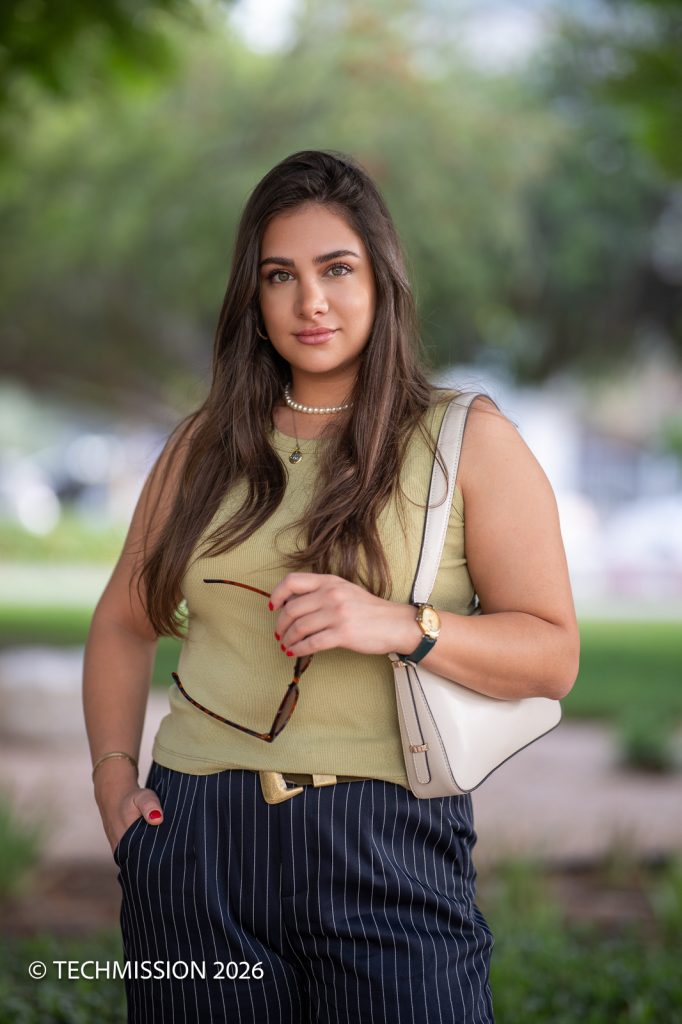
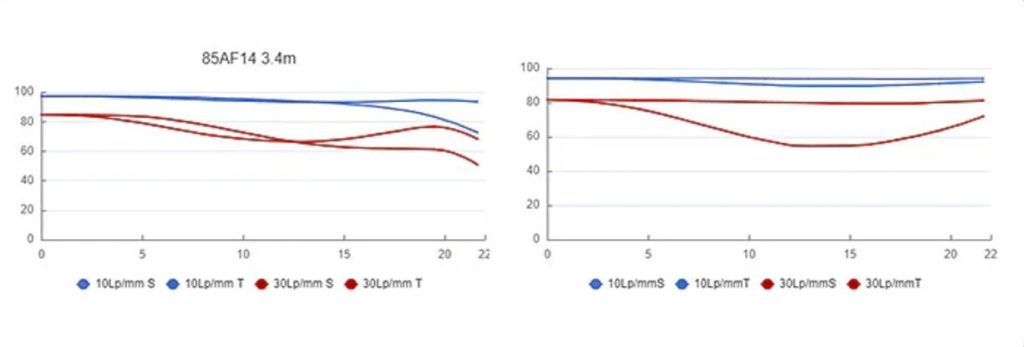
One of the most interesting findings from my testing was that this lens performs best at traditional portrait distances.
Roughly between:
- 2 metres
- 5 metres
it produces its most beautiful images.
Move significantly closer, and contrast begins to soften.
Move much farther away toward landscape-style distances, and ultimate sharpness becomes less impressive.
Initially, this seemed unusual.
After comparing my findings with trusted reviewers such as Dustin Abbott, I found the same behaviour confirmed.
Even SIRUI’s published MTF chart is measured at approximately three metres—exactly where the lens shines.
This isn’t a flaw.
It simply reinforces the fact that the Aurora was designed first and foremost as a portrait lens.
Optical Performance
Technically, the Aurora is good.
Artistically, it is exceptional.
Wide open at f/1.4:
- Centre sharpness is strong.
- Contrast is pleasing.
- Edge performance is softer.
Stopping down to f/2 noticeably improves edge performance, while f/4 delivers excellent sharpness across most of the frame.
This behaviour is entirely consistent with what many portrait photographers actually want.
Chromatic Aberration
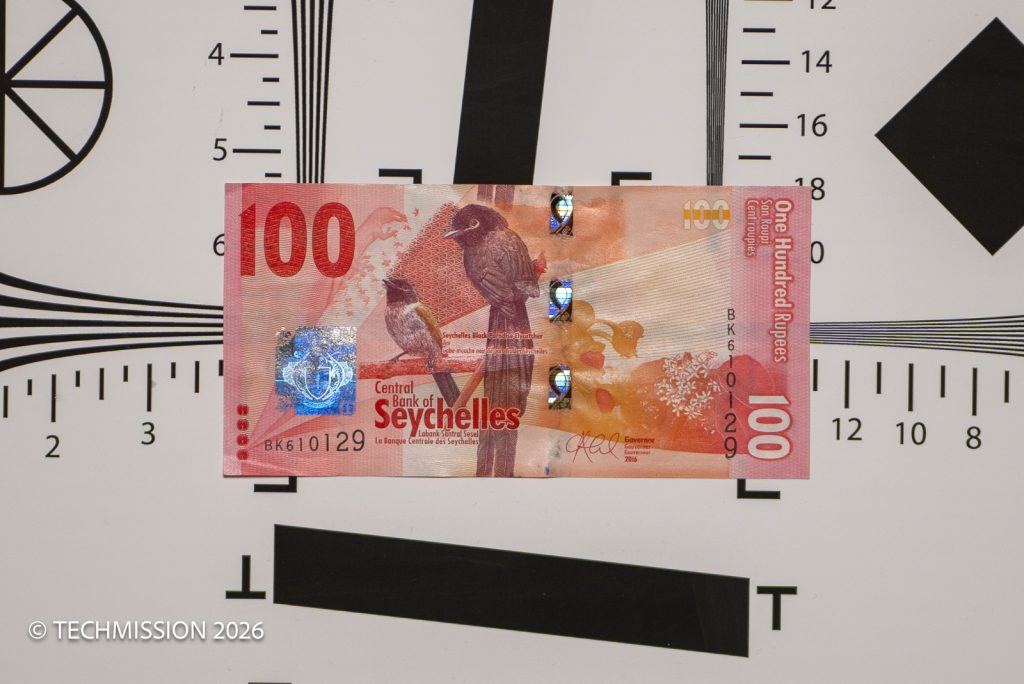
The lens exhibits some lateral chromatic aberration, particularly in demanding high-contrast scenes.
It is not excessive and is easily corrected during post-processing.
Ironically, this slight imperfection contributes to the Aurora’s unique rendering, reinforcing its less clinical, more character-driven aesthetic.
Distortion and Vignetting
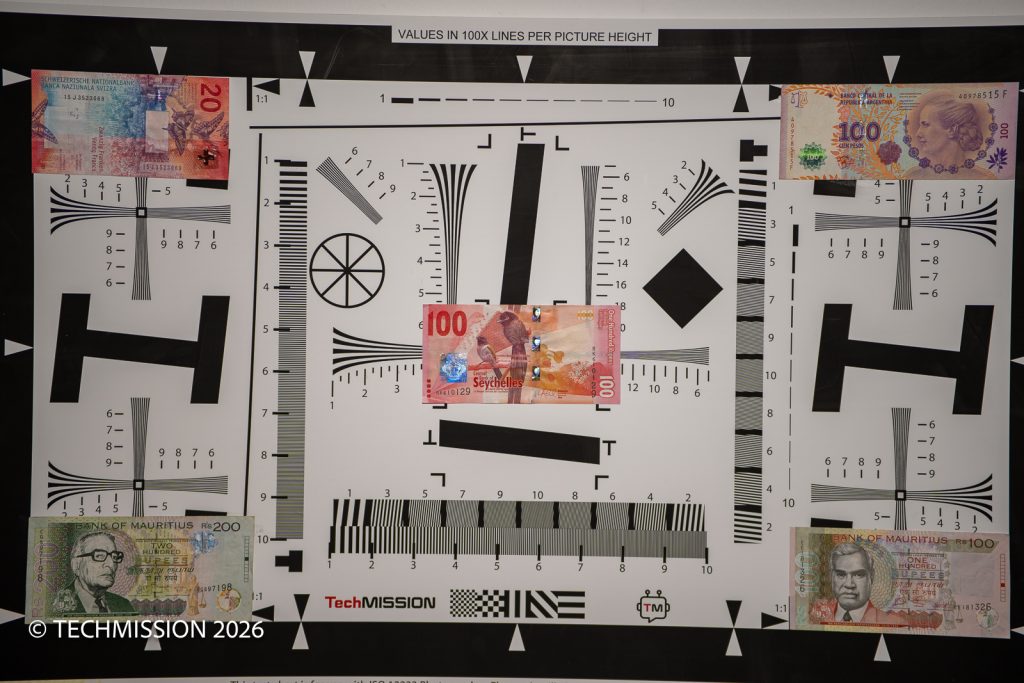
Distortion is minimal.
There is a slight pincushion distortion, which is easy to correct and generally unobtrusive in portrait work.
Vignetting is also impressively well controlled.
Even at f/1.4, corner darkening is subtle, becoming almost nonexistent by f/2.
Considering the relatively small 67mm filter size, this is genuinely impressive.
Flare Resistance
Flare control is excellent.
Combined with the lens’s naturally softer contrast rendering, the Aurora becomes particularly effective for backlit portraits.
It handles strong light sources gracefully while maintaining an artistic look that many portrait photographers intentionally seek.
This is one of those lenses that almost encourages shooting directly into beautiful light.
Who Should Buy It?
Buy the Aurora if you are:
- A portrait photographer.
- A wedding photographer.
- A photographer who values rendering over laboratory sharpness.
- Someone looking for a premium 85mm without spending over $1,500.
- A photographer who enjoys lenses with personality rather than clinical perfection.
Who Should Skip It?
You may want to look elsewhere if you:
- Prioritize absolute corner-to-corner sharpness.
- Frequently shoot landscapes with an 85mm lens.
- Need the fastest autofocus available.
- Simply want the most technically perfect lens money can buy.
In that case, Sony’s FE 85mm F1.4 GM II still remains the benchmark—albeit at well over twice the price.
TECHMISSION Recommends
Where to Buy the SIRUI Aurora 85mm F1.4
Some links are affiliate links — TECHMISSION may earn a commission at no extra cost to you. See our affiliate disclosure.
Final Verdict
The SIRUI Aurora 85mm F1.4 succeeds because it understands its mission.
It isn’t trying to replace Sony’s flagship.
Instead, it offers something many photographers have been missing: character.
Its rendering is beautiful, its background separation is outstanding, autofocus is dependable, build quality exceeds expectations, and at $599, it delivers remarkable value.
If your photography revolves around portraits, weddings, and creating images with emotion rather than technical perfection, the Aurora is one of the most compelling 85mm lenses currently available for Sony E-mount.
Buy it if: You want one of the most beautiful-rendering portrait lenses in its class without paying flagship prices.
Skip it if: Your priority is absolute optical perfection and maximum sharpness—in that case, Sony’s FE 85mm F1.4 GM II remains the undisputed technical champion.